Europe will go it alone on Venus mission after NASA yanks radar instrument
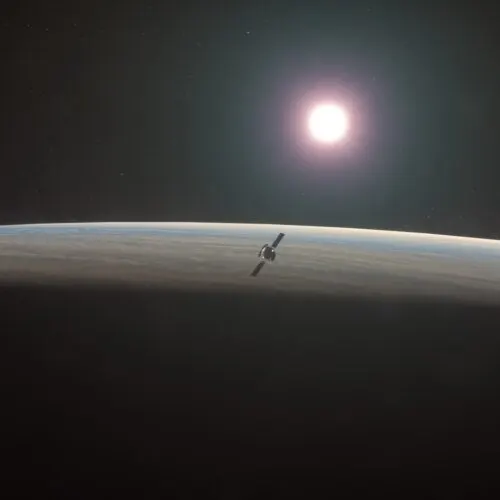
The European Space Agency is pressing ahead alone on its Envision mission to Venus after NASA signalled it likely cannot deliver a US-built radar instrument it had promised, due to budget pressures from the Trump administration's proposed cuts to NASA science funding. Envision will map the Venusian surface at ten times the resolution of NASA's 1990s Magellan radar mission, aiming to peer through the planet's thick sulphuric acid clouds and search for signs of active volcanism. The setback underscores growing strain on transatlantic space partnerships as the White House seeks to scale back NASA's international science commitments.
Under a 2024 agreement, NASA was to supply Envision's primary radar instrument and Deep Space Network communications support, while ESA built the spacecraft, other instruments and provided an Ariane 6 launch. Although Congress restored most proposed cuts, planetary science funding still fell around $220 million short of the previous year, forcing NASA to scale back international collaborations, including contributions to Envision and two other European-led missions, LISA and New Athena. ESA has since contracted UK and Italian firms to develop a replacement European radar matching the original's capabilities, with the mission still targeting a 2031 launch, though NASA had already spent over $50 million on its now-uncertain contribution.
In short
- NASA likely can't supply Envision's radar due to budget cuts
- ESA will build its own radar instrument instead
- UK and Italian firms now developing the replacement radar
Steelman: both sides, in good faith
The strongest fair case each way — we don't pick a winner.
The case for
ESA proceeding alone can preserve a scientifically valuable mission and reduce its exposure to changing US budget priorities. Developing a European radar with comparable capabilities also protects Europe’s scientific autonomy while maintaining the planned mission, even if replacing NASA’s contribution adds costs and complexity.
The case against
The original partnership shared costs and expertise, and NASA had already invested more than $50 million, so losing its instrument and communications support may mean duplicated work and poorer use of public funds. With planetary science budgets under pressure, scaling back international commitments can be defended as a way to focus limited resources on domestic priorities, though it risks weakening long-term scientific partnerships.
Explained simply
Venus is Earth’s neighbouring planet, but its thick clouds make it difficult to study from orbit. The Magellan spacecraft mapped its surface with radar in the 1990s; Envision is designed to produce a much more detailed map and investigate whether volcanoes are still active.
The European Space Agency (ESA) is leading Envision, while NASA is the US space agency. Their 2024 agreement split the work: NASA was to provide the main radar and communications support, while ESA was to build the spacecraft, supply other instruments and arrange the launch.
The dispute reflects pressure on NASA’s science budget and affects other planned European-led missions too. It also matters because large space missions often rely on countries sharing costly equipment, expertise and communications networks.
Americas Art Asia Culture Europe Space Technology World