Technology news and discussion on TalkFuse.
European banks wake up to scale of vulnerability after cyberattack on French bank
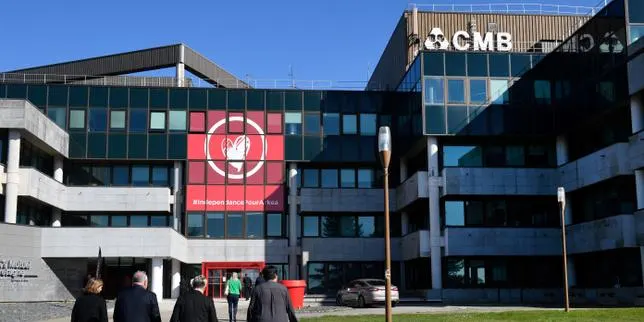
A cyberattack on Crédit Mutuel Arkéa has prompted concern across European banking, after hackers took more than €100 million from the French bank’s own funds. Experts described the incident as unprecedented in scale for a European bank and said it exposed vulnerabilities despite the sector’s strict regulation and frequent security audits.
The attackers compromised a third party authorised to make transactions, accessed Arkéa’s capital and moved the money into cryptocurrency across several exchanges. The bank held about €10 billion; the theft was roughly equivalent to a quarter’s annual net profit, though no customers lost money. The precise total and those responsible remain unclear, and experts questioned why safeguards against large transfers did not stop the operation.
In short
- Hackers stole more than €100 million from Arkéa.
- No customer accounts were affected.
- The attack has raised questions about banking safeguards.
Steelman: both sides, in good faith
The strongest fair case each way — we don't pick a winner.
The case for
The attack shows that even well-regulated banks can remain exposed when criminals exploit trusted third parties and move funds quickly across borders. Stronger safeguards for unusually large transfers, tighter oversight of authorised providers and better coordination among banks could reduce the risk of similar losses and protect confidence in the financial system.
The case against
A single attack, with its precise scale and causes still unclear, may not show that European banking as a whole is broadly vulnerable. Banks already face strict regulation and regular security audits, and Arkéa’s customers lost no money; additional controls could impose costs and delays, so any new requirements should follow evidence about how existing safeguards failed.
Cybersecurity Europe Technology World