World news and discussion on TalkFuse.
European countries push pro-Palestinian UN resolution with new criticism of Israel: ‘Dangerous agenda’
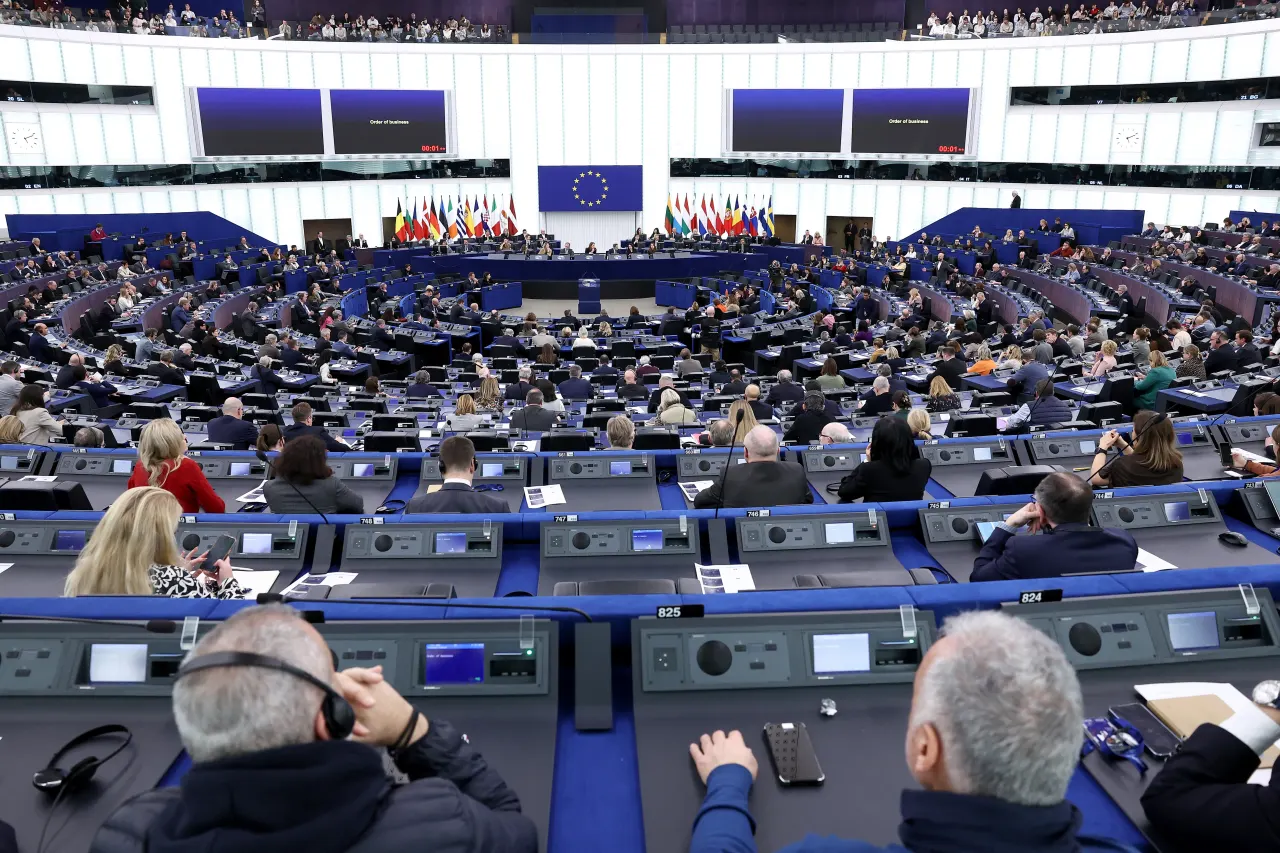
A group of EU member states is seeking to advance a UN General Assembly resolution on assistance to Palestinians that also criticises Israeli policies and makes new demands of Israel. The shift from the resolution’s earlier focus on economic aid has prompted Israel’s UN ambassador to accuse its sponsors of using it as a diplomatic campaign against Israel.
The draft calls for an end to settlement expansion, including cancellation of construction tenders in the E1 area, and asks Israel to ease restrictions on aid and international organisations in Gaza. Israel’s attorney general has paused the E1 tender process until a new government is formed, but has not cancelled the planned construction. About seven of the EU’s 27 member states have raised concerns and proposed amendments, though supporters intend to proceed even if some countries oppose the resolution.
In short
- EU states are advancing a draft resolution with new demands on Israel.
- It addresses E1 settlement construction and humanitarian access to Gaza.
- Around seven EU members have raised concerns and proposed amendments.
Steelman: both sides, in good faith
The strongest fair case each way — we don't pick a winner.
The case for
Supporters can argue that a resolution on assistance to Palestinians should address policies and restrictions that, in their view, impede aid and threaten prospects for a viable Palestinian state. Calling for an end to settlement expansion and easier access for aid groups may be seen as a legitimate use of the UN to uphold international norms and press for practical changes.
The case against
Critics can argue that expanding an aid-focused resolution into demands directed at Israel turns humanitarian assistance into a vehicle for political pressure and risks reducing the chance of consensus. They may also see demands about settlements and access as one-sided or insufficiently attentive to Israel’s security concerns, especially when some EU states have raised objections.
Explained simply
The UN General Assembly is a forum where all UN member states debate issues and adopt resolutions. These resolutions can set out international views and requests, but they are generally not legally binding.
Palestinians receive aid through UN agencies and other organisations, while Israel controls access to Gaza and much of the occupied West Bank. Israeli settlements in the West Bank, including the planned E1 development near Jerusalem, are opposed by many countries, which say they undermine the prospect of a Palestinian state; Israel disputes that view.
EU countries do not always agree on how the UN should address the Israeli-Palestinian conflict. Disagreement over this draft reflects wider differences about how to combine aid to Palestinians with criticism of Israeli policy and what demands to make of Israel.
Europe Geopolitics Middle East Politics World