Business news and discussion on TalkFuse.
European gas prices hit four-month high amid fears US-Iran war will cause supply shortages
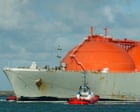
European gas prices have surged to a four-month high as an escalating conflict between the US and Iran fuels fears of energy supply shortages this winter. The Dutch gas benchmark briefly topped €60 per megawatt hour on Monday after the US widened its aerial campaign and Iran struck back at Bahrain and Kuwait, with analysts warning that disruption to Qatari LNG exports during the critical summer restocking period is putting pressure on Europe's ability to fill storage cheaply.
Analysts at ICIS said European gas storage is currently less than 54% full, against 64% at the same point last year, and warned a cold start to winter could force costly state intervention to secure supplies. Just 26 LNG cargoes have left the Gulf since the conflict began on 28 February, far below the usual 90 to 100 a month, prompting ICIS to cut its global LNG supply forecast for the year from 441m to 431m tonnes; Europe may need to pay €54-€60 per MWh to restock this autumn. Oil markets also reacted, with Brent crude briefly breaching $90 a barrel before easing after Iran said talks with the US were continuing.
In short
- European gas prices hit a four-month high on Iran conflict fears
- Qatari LNG export disruption is denting Europe's storage refill
- Brent crude briefly topped $90 a barrel before easing back
Explained simply
The US and Iran have been in an escalating military conflict since late February, with each side striking at the other's forces and regional allies. This geopolitical tension is disrupting energy supplies to Europe, which relies heavily on liquefied natural gas shipped from the Middle East, particularly from Qatar. European gas prices have hit their highest level in four months as a result of these supply fears.
The conflict has severely reduced the flow of gas shipments from the Gulf during a critical period when European suppliers should be stocking up for winter. Only about 26 shipments have left the region since the fighting began, compared with the usual 90 to 100 per month, leaving Europe's storage reserves at just over half full compared with two-thirds full at the same time last year. To make up the shortfall, Europe will likely have to pay considerably higher prices for gas as it tries to restock before the cold months arrive.
This matters because Europe needs adequate supplies of cheap gas to heat homes and power industry through winter. If storage cannot be filled affordably, governments may need to intervene to secure supplies and keep energy costs manageable for consumers. A particularly cold winter could make the situation worse, potentially forcing costly emergency measures.
Business Cybersecurity Europe Middle East Software Technology World