European heatwave forces Hungary to shut its nuclear plant as River Danube dries up while Greece continues to battle huge wildfires
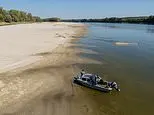
A severe European heatwave has forced Hungary to shut down its nuclear power plant as the River Danube dries up, while Greece continues to battle extensive wildfires. The extreme conditions highlight the growing strain that climate-driven heat is placing on critical infrastructure across the continent, with energy generation and water resources both under pressure during peak summer demand. The situation underscores concerns about Europe's ability to cope with increasingly frequent and intense heat events in the years ahead.
Hungary's nuclear plant closure comes as falling water levels in the Danube, a key river used for cooling reactors, made continued safe operation untenable during the heatwave. Meanwhile, firefighters in Greece remain engaged in efforts to contain large-scale wildfires that have broken out amid the searing temperatures, adding to the mounting toll of this summer's extreme weather across southern and central Europe.
In short
- Hungary shuts nuclear plant as Danube water levels drop in heatwave
- Greece continues fighting large, ongoing wildfires
- Extreme heat strains Europe's energy and water resources
Explained simply
Hungary and Greece are both grappling with the effects of an intense heatwave sweeping across Europe this summer. In Hungary, the Paks nuclear power plant, the country's main source of electricity, relies on water from the River Danube to cool its reactors. With the heatwave causing the river's water levels to drop and temperatures to rise, the plant has had to shut down to operate safely.
In Greece, firefighters have been battling large wildfires that have broken out in the hot, dry conditions, a recurring challenge for the country during summer months. Wildfires and heatwaves have become more frequent and severe across southern Europe in recent years, often linked by scientists to climate change.
Together, these events illustrate how extreme heat can put pressure on essential infrastructure, from power generation to water supplies, at the same time as it fuels wildfire risk, raising broader questions about how European countries can prepare for and manage such conditions in future.