Total eclipse drives hotel prices and wildfire restrictions in Spain
Developed over time first seen 2 months ago
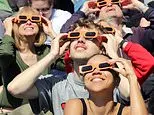
Europe's first total solar eclipse this century swept across parts of Iceland and Spain on Wednesday, drawing hundreds of thousands of visitors and pushing hotel prices sharply higher in the process. The event mattered as much for its logistical strain as for its rarity: alongside the tourism windfall, Spanish authorities faced a heightened wildfire risk brought on by extremely dry conditions and a surge in traffic, forcing them to impose emergency restrictions and deploy a large police presence to prevent sparks from igniting fresh blazes.
Reykjavík hotel rooms averaged £587 a night, a 98% rise on the previous year, while Spanish cities saw similarly steep increases, including a 135% jump in A Coruña and rises of up to 67% in Bilbao and 34% in Santiago de Compostela; Spain's finance ministry had expected around 460,000 overseas visitors specifically for the eclipse. Spanish police deployed 35,000 officers and banned roadside parking, barbecues and fireworks amid warnings that a single spark could cause devastating fires, with about 200,000 hectares already burnt this year, six times the total by the same date in 2025, and three large fires already active in Huelva, Segovia and Huesca beforehand. Nasa set up telescopes in the Spanish village of Villalibado to livestream the eclipse to more than 10 million people, while a partial eclipse was also visible across the UK, peaking in London at 7.12pm.
- Europe's first total solar eclipse this century drew huge crowds to Iceland and Spain.
- Hotel prices nearly doubled in Reykjavík and rose sharply across Spanish cities.
- Spain deployed 35,000 police and fire restrictions amid a severe wildfire risk.
New here? Start with this
Reader wanting to see a total solar eclipse means the Moon passes directly between the Sun and Earth, briefly blocking sunlight and turning day into darkness for a few minutes. It is due to happen on 12 August, and it is significant because Europe has not experienced a total eclipse of this kind in more than a hundred years, making it a rare event for skywatchers on the continent. The path where the eclipse can be seen in full only crosses certain areas, which is why some places, such as Reykjavík and parts of Spain, are drawing far more attention than others.
Because the event is so rare, huge numbers of people are travelling to those prime viewing spots, and this rush of visitors has pushed up demand for hotels and other accommodation well beyond usual levels. At the same time, looking directly at the sun, even during an eclipse, can damage the eyes, so specially certified eclipse glasses are needed for safe viewing. That need has led to a rush on this protective eyewear, and shops in Britain and elsewhere have struggled to keep enough in stock.