Science news and discussion on TalkFuse.
Europe’s ‘green ideology’ climate agenda risks crushing its industry, environment minister warns
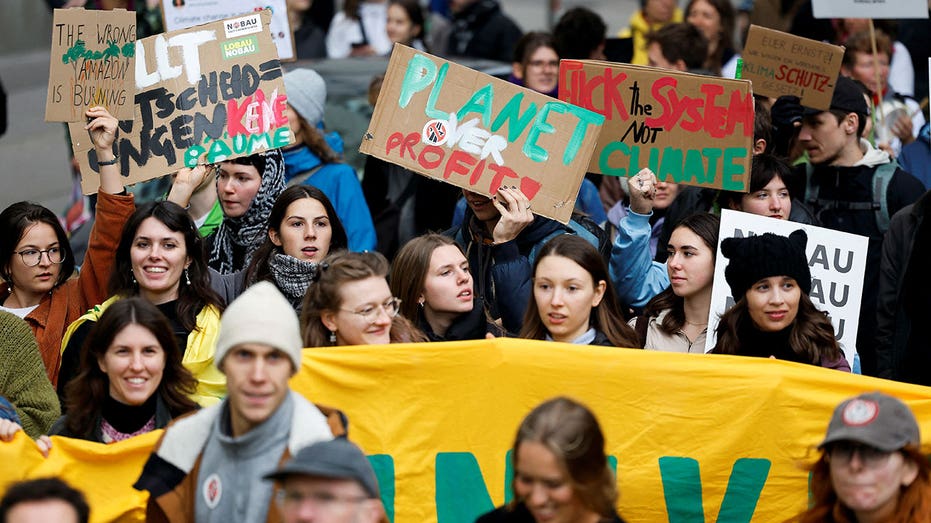
Czech Environment Minister Igor Červený has warned that Europe risks crippling its own industrial base if it does not soften its aggressive climate agenda, cautioning that manufacturers are increasingly shifting production abroad. Speaking to Fox News Digital during his first visit to the United Nations, he argued that European leaders need to respond to voters who are demanding tangible economic results rather than pursuing climate targets regardless of cost. The remarks add to a growing chorus of dissent within the EU over the economic toll of green regulation, particularly as industrial competitiveness comes under strain.
Červený made the comments while addressing the UN High-Level Political Forum on Sustainable Development, saying "if we don't change the course, we will probably crush the industry." He singled out the automotive sector as especially exposed to the pressures of climate policy, warning that firms in this and other industries are relocating production away from Europe in response. The intervention reflects mounting concern among some European policymakers that current climate commitments are becoming economically unsustainable.
In short
- Czech minister warns EU climate policy could "crush" European industry
- Automotive sector especially hit as firms move production abroad
- Comments made at UN sustainable development forum in New York
Steelman: both sides, in good faith
The strongest fair case each way — we don't pick a winner.
The case for
Europe's stringent climate regulations impose disproportionate economic costs that undermine industrial competitiveness relative to global rivals, particularly when manufacturers can simply relocate to jurisdictions with less stringent requirements. Rather than advancing climate goals, this dynamic may actually increase global emissions by shifting production to regions with lower environmental standards whilst simultaneously hollowing out Europe's industrial base and employment. A more balanced approach would pursue environmental objectives without sacrificing the competitive position necessary for long-term economic resilience and voter confidence.
The case against
Europe's climate commitments represent essential responses to an existential environmental threat and consistent fulfilment of international obligations that all nations must honour. The economic costs of climate regulation are manageable with proper transition support, whilst economic research consistently demonstrates that unchecked climate change imposes vastly greater long-term economic damage than proactive regulation. Rather than retreating from climate leadership, Europe should accelerate green technology innovation, which generates competitive advantage and employment, whilst preventing a 'race to the bottom' where competitors gain advantage through environmental degradation rather than genuine efficiency.
Explained simply
The European Union has committed to ambitious climate targets aimed at reducing carbon emissions and transitioning to clean energy. These policies include strict environmental regulations on industries like car manufacturing, which require companies to reduce emissions and invest heavily in greener technologies and production methods.
Some European policymakers and business leaders argue that these regulations are making it too expensive to manufacture in Europe compared to other parts of the world where environmental rules are less stringent. They contend that manufacturers are responding by moving production to countries with looser restrictions, potentially undermining Europe's industrial base and employment.
This debate reflects a broader tension within Europe between the desire to address climate change and concerns about maintaining economic competitiveness. The tension has become increasingly visible as some government officials openly question whether the current approach balances environmental and economic priorities fairly.
Climate Environment Europe Government Politics Science World