World news and discussion on TalkFuse.
Europe’s youth set to join mass cost of living protests in 25 countries
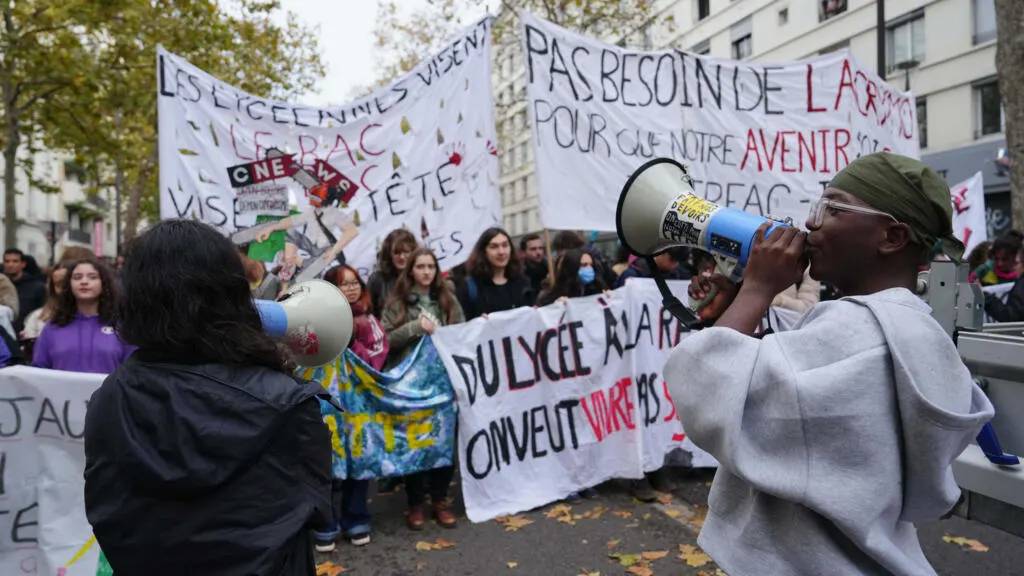
Co-ordinated demonstrations are planned across Europe on Friday and over the weekend, with young people joining unions and activists to protest the rising cost of living, militarisation and social injustice. Organisers hope the cross-border action will increase pressure on governments, as housing costs, stagnant pay and concerns about education and welfare unite otherwise local campaigns.
A youth-led coalition says participants are expected in more than 25 countries, while organisers anticipate hundreds of rallies and strikes, though the turnout is uncertain. Their six broad demands include a guaranteed right to housing, taxing the rich and ending rearmament policies; in Germany, organisers expect 15,000 people in Berlin. The actions coincide with strikes in Italy, planned demonstrations in Spain and the eighth anniversary of France’s Yellow Vest movement.
In short
- Young people are expected to protest in more than 25 countries.
- Demonstrators cite living costs, housing, education and militarisation.
- Organisers expect 15,000 people at protests in Berlin.
Steelman: both sides, in good faith
The strongest fair case each way — we don't pick a winner.
The case for
Supporters argue that rising housing costs, stagnant pay and pressure on public services demand a co-ordinated response, and that young people have a strong stake in decisions shaping their prospects. They see rallies and strikes as legitimate ways to press governments for measures such as affordable housing, fairer taxation and stronger welfare provision.
The case against
Critics may accept that living costs are a serious problem while questioning whether broad demonstrations and strikes will produce workable solutions or disrupt people who rely on public services and transport. They may also argue that ending rearmament could weaken security, and that governments should address affordability through targeted policies without accepting the coalition’s wider programme.
Explained simply
Across Europe, rising living costs have made it harder for many people to afford essentials such as housing, food and energy. Young people can be especially affected by high rents, insecure work and pressure on education and welfare services.
Trade unions represent workers, while activist groups campaign on issues including inequality and the environment. Their aims can differ, but campaigns sometimes join forces around shared concerns such as pay, housing and public services.
Governments decide how public money is raised and spent, and set policies on housing, welfare and defence. Protests and strikes are ways for people to press for changes, though their impact depends on public support and how governments respond.
Europe Government Politics World