World news and discussion on TalkFuse.
EU’s Costa backs Meloni’s criticism of peace talks ‘disarray,’ plans to fix it
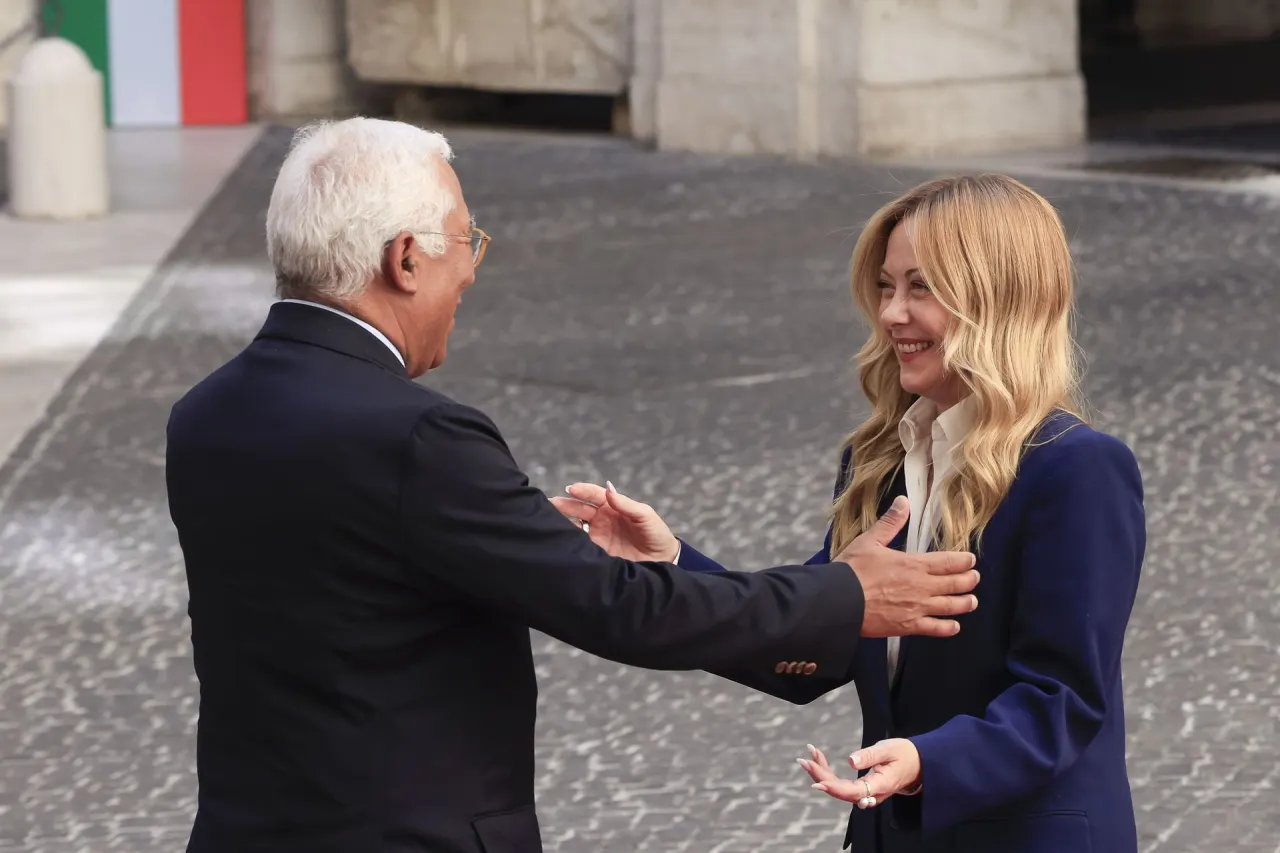
European Council President Antonio Costa has backed Italian Prime Minister Giorgia Meloni’s call for the EU to coordinate its approach to peace talks. He agreed the bloc needs a clear, unified message that defends European interests and supports Ukraine, and will discuss the issue with EU leaders in Dublin on 13 November.
Meloni warned that multiple competing peace initiatives could weaken Europe’s credibility. European involvement has varied, with different combinations of national leaders and EU institutions taking part, while some discussions have excluded Brussels. Costa said EU interests should be represented by its institutions under the treaties; Europe’s role matters because it provides most of Ukraine’s financial support and is expected to help underwrite future security guarantees.
In short
- Costa backs Meloni’s call for a unified EU peace-talks strategy.
- EU leaders are due to discuss the issue in Dublin on 13 November.
- Europe’s financial and security commitments make its role significant.
Steelman: both sides, in good faith
The strongest fair case each way — we don't pick a winner.
The case for
A coordinated EU position could give Europe greater influence in negotiations and make clear that financial support and future security guarantees must be matched by a voice in decisions affecting Ukraine. With several initiatives involving different leaders and institutions, a common message may also reduce confusion and help sustain European credibility.
The case against
A single EU line could be difficult to agree and might constrain national leaders who have relationships or diplomatic channels useful to peace efforts. Allowing several European actors to engage may create more opportunities for dialogue, while insisting on institutional unity could slow responses or give the appearance of consensus where member states still disagree.
Europe Government Politics World