Every Sixth Generation Console, Ranked
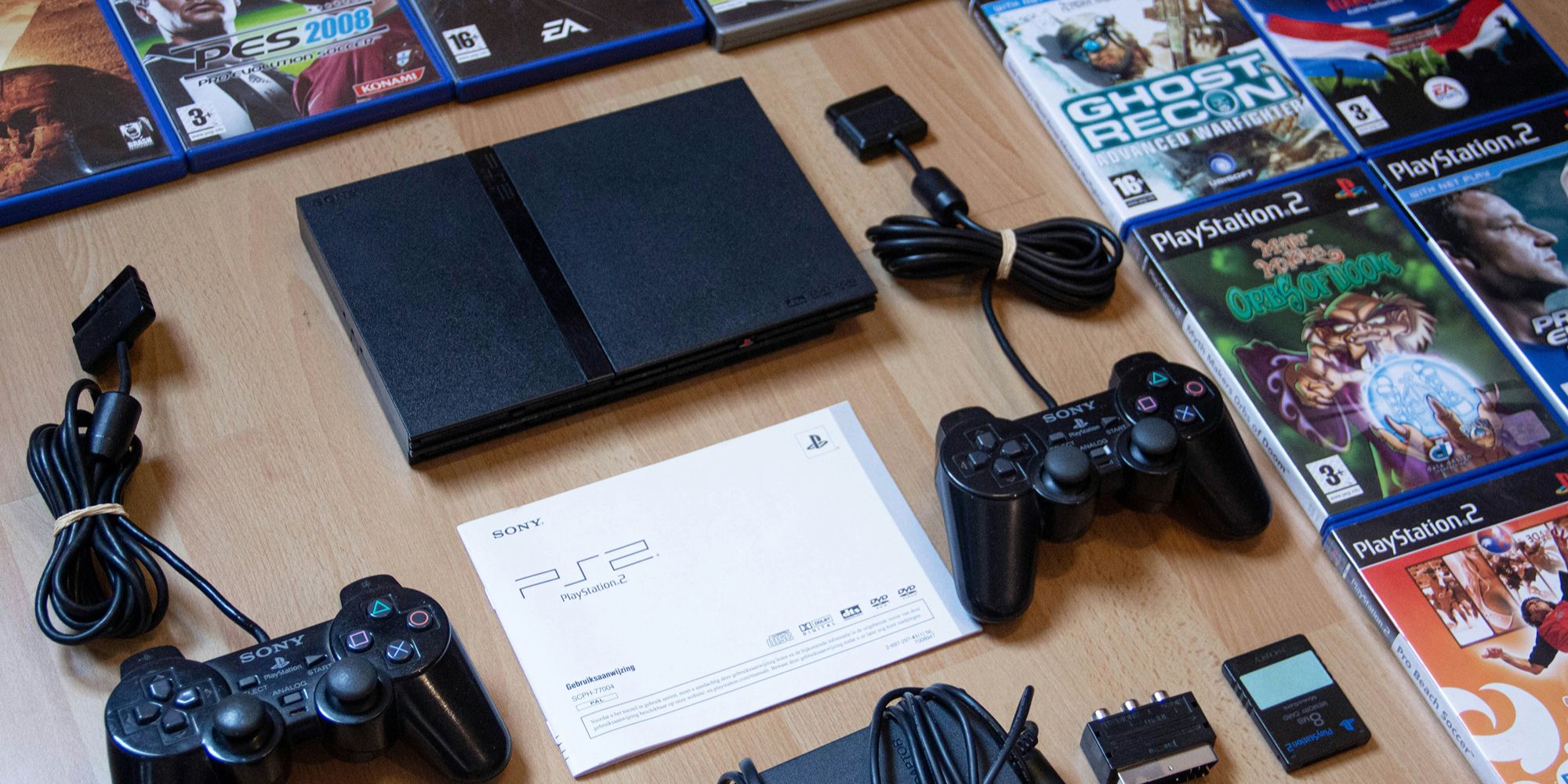
An article ranking sixth-generation video game consoles (released over two decades ago) evaluates them based on influence, innovation, capabilities, popularity, games and overall success.
– **WonderSwan Color** (Bandai Namco): An upgraded handheld engineered by a Game Boy designer, featuring efficient battery life and dual-directional controls. Despite hosting major titles like Final Fantasy, it failed to compete and remains largely forgotten today.
– **N-Gage** (Nokia, 2003): An ambitious attempt to merge gaming with mobile phone technology using Bluetooth multiplayer. Players had to remove the battery to swap games, and the two functionalities never integrated smoothly, limiting its market impact.
– **Dreamcast** (Sega): Featured arcade-quality 3D visuals and built-in internet capability, pioneering online multiplayer gaming. Despite an excellent game roster including Phantasy Star Online and Shenmue, it ranks lower due to stronger competition within the generation.
– **GameCube** (Nintendo): Departed from Nintendo's usual formula by adopting disc-based games and its distinctive cube shape (article text cuts off).
- Sixth-generation consoles were an era of innovation from the early 2000s.
- WonderSwan Color and N-Gage were ambitious but ultimately unsuccessful handheld systems.
- Dreamcast pioneered online gaming but faced stiff competition from other consoles.