Entertainment news and discussion on TalkFuse.
Every Soulsborne Game, Ranked From Worst to Best
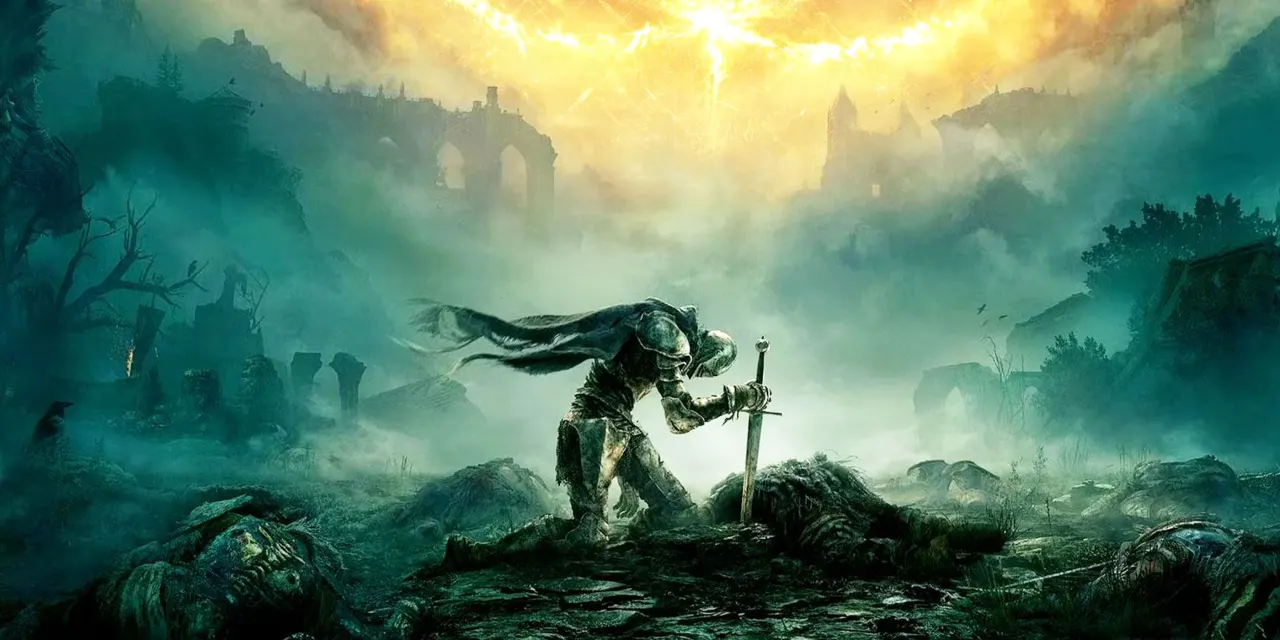
Collider ranks FromSoftware’s Soulsborne and closely related games by combat, world and level design, bosses, atmosphere, innovation and influence. The article argues that the series remains highly influential because of its demanding gameplay, environmental storytelling and distinctive design, while acknowledging that even its weakest entries have notable strengths.
– ‘Dark Souls II’ (2014) is placed eighth, criticised as comparatively uneven and occasionally laborious despite memorable settings, music and improvements in ‘Scholar of the First Sin’. – ‘Demon’s Souls’ (2009) ranks seventh: it is praised as the foundation for later games, though its early mechanics and rougher design show its age; the PS5 remake is presented as an accessible entry point for newcomers.
In short
- ‘Dark Souls II’ is ranked last despite its memorable elements.
- ‘Demon’s Souls’ is influential but less refined than successors.
- The ranking prioritises gameplay, design, atmosphere and influence.
Explained simply
FromSoftware is a Japanese game studio known for action role-playing games in which players explore dangerous worlds, learn enemy attack patterns and fight challenging battles. Its “Soulsborne” games are linked by demanding combat, interconnected settings and stories often conveyed through places, objects and brief conversations.
The series includes Demon’s Souls and the Dark Souls games, alongside related titles such as Bloodborne. Demon’s Souls established many ideas that later games developed, while Dark Souls II took the formula in a different direction; both have distinctive settings and music, though their design and mechanics have drawn mixed assessments. These games helped shape later action games and remain a point of reference for how difficulty, exploration and storytelling can work together.