World news and discussion on TalkFuse.
Every Stanley Kubrick Movie of the ’60s, Ranked
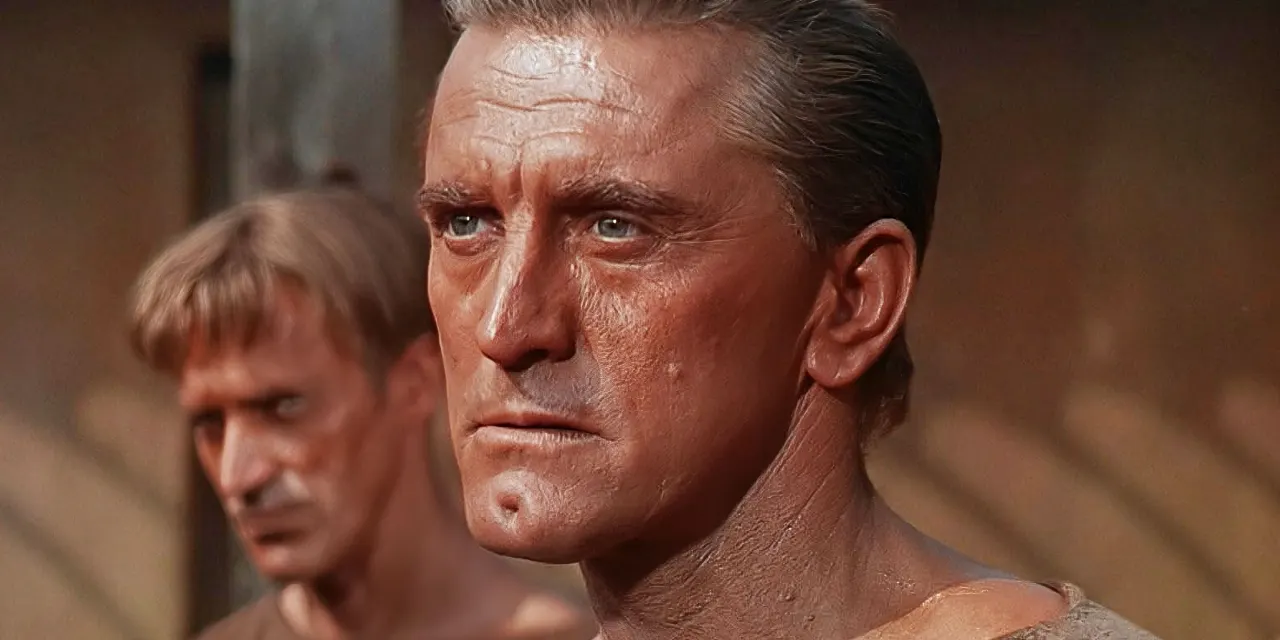
Collider ranks Stanley Kubrick’s four 1960s films as a defining run, highlighting how each tackled a markedly different genre while demonstrating his increasingly exacting control as a director. The list places *Lolita* fourth, noting its difficult subject matter, censorship constraints and compromised but still compelling adaptation of Vladimir Nabokov’s novel.
– *Lolita* (1962) — ranked fourth for its uneasy, censorship-limited treatment of Nabokov’s controversial story. – *Spartacus* (1960) — recognised as Kubrick’s large-scale historical epic, though made with less creative control. – *Dr. Strangelove* (1964) — praised as a razor-sharp Cold War satire balancing absurdity and nuclear dread. – *2001: A Space Odyssey* (1968) — ranked first for its ambitious, influential vision of humanity, technology and space.
In short
- *2001: A Space Odyssey* tops Kubrick’s 1960s output.
- The decade showed Kubrick mastering radically different genres.
- *Lolita* ranks lowest, despite its ingenuity under censorship.
Explained simply
Stanley Kubrick was an American film director whose work ranged from crime dramas to science fiction. In the 1960s he made four films in very different genres: the Roman-era epic Spartacus, the adaptation Lolita, the Cold War comedy Dr. Strangelove and the space film 2001: A Space Odyssey.
The films came from different sources and contexts: Lolita adapted a novel by Vladimir Nabokov, while Spartacus was a studio production in which Kubrick had less creative control. Dr. Strangelove drew on fears of nuclear conflict, and 2001 explored humanity’s relationship with technology and space. Together, the films show the range of stories and styles that shaped Kubrick’s reputation.
Americas Art Culture Entertainment Film Offbeat Weird & Viral World