Video games news, releases, esports and culture — all the biggest gaming stories in one place.
Everybody Hates Fire Emblem’s Most Controversial New Feature
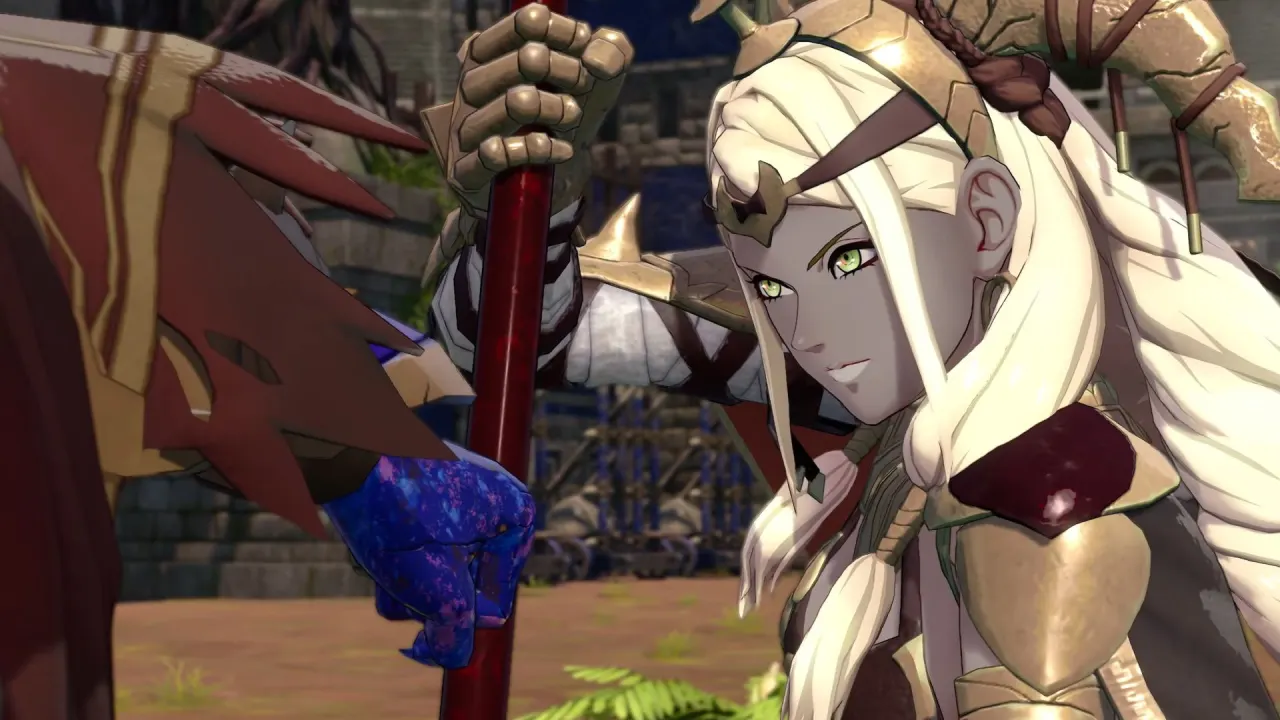
Fire Emblem: Fortune's Weave, which launched on Nintendo Switch 2, has become mired in controversy over its single-save-file system. Players have criticised the aggressive autosave function, which overwrites manual saves with no separation between the two, making it difficult to undo mistakes or unintended changes in a game requiring over 100 hours to complete. A Reddit post lambasting the design choice has attracted over 450 comments, largely in agreement that this is the game's major weakness.
The issue is particularly acute in chapters with hard failure conditions, where players must reach specific map locations by set deadlines; missing these targets forces a complete chapter restart, potentially costing several hours of progress. Developer Intelligent Systems acknowledged the problem in a Nintendo interview, explaining that a single save system was necessary due to the game's complex multi-path narrative structure. The community's primary request is for the developer to separate autosaves and manual saves into different slots, allowing players to revert to a manual save if autosave compromises their progress.
In short
- Single-save design limits player flexibility in 100+ hour role-playing game.
- Autosave overwrites manual saves, making costly mistakes unrecoverable.
- Developer cites complicated multi-path story as reason for restriction.
Steelman: both sides, in good faith
The strongest fair case each way — we don't pick a winner.
The case for
A single save file may help Intelligent Systems preserve the consistency of a complex story with multiple paths, where reverting to an earlier state could create narrative or progression problems. A tightly managed save system can also make choices and deadlines feel consequential, supporting the intended challenge and encouraging players to plan ahead.
The case against
In a game that can take over 100 hours, overwriting manual saves with autosaves leaves players little protection from mistakes, missed deadlines or unintended changes. Separate save slots would let players recover without removing the challenge, and would avoid making a chapter restart cost several hours of progress.
Explained simply
Fire Emblem is a long-running series of tactical role-playing games from Nintendo, in which players lead a group of characters through turn-based battles. Fortune’s Weave is the latest entry, released for Nintendo Switch 2, and its story can branch along different paths.
In games like this, a save file records progress so players can stop and continue later, or return to an earlier point. Fortune’s Weave uses one save file for both automatic saves and saves made by the player, which can limit the ability to undo a decision or mistake.
That matters because some chapters have deadlines and require players to reach particular places on the map; missing a target can mean replaying the chapter. With a game that can take more than 100 hours to finish, the save system affects how much progress players risk losing and how easily they can explore different choices.