‘Everyone hates the police’ – what France’s school protests reveal about a divided nation
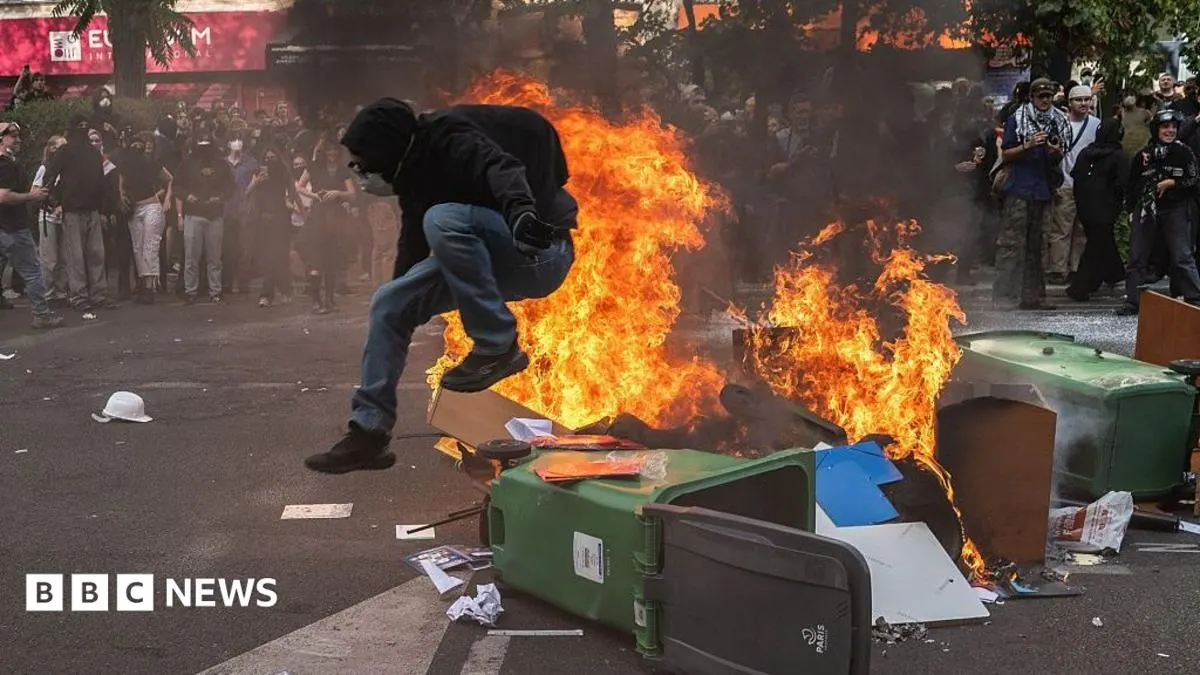
Hundreds of thousands of students have protested across France since late September, demonstrating against chronic staff shortages and deteriorating facilities in secondary schools. The protests, which have become increasingly violent, have struck a national chord and become a focal point in France's polarised politics, with politicians from both the hard right and hard left attempting to capitalise on the unrest as a presidential election approaches.
Key complaints centre on overcrowded classrooms (up to 35 pupils, compared to fewer than 23 on average in England), broken facilities, rat infestations and long school days with hours-long gaps due to poor planning. On Tuesday, the government reported 250,000 people demonstrated, though unions claimed half a million. Teachers have joined students in the demonstrations. The government has offered 3,000 extra supply teachers and promised a response plan by the end of October, but students and teachers have largely rejected these measures, with their anger reflecting deeper concerns that youth voices are unheard in broader French society.
- Hundreds of thousands of French students protested over staff shortages and deteriorating facilities.
- Overcrowded classrooms with 35 pupils, rats in corridors and long school days fuel unrest.
- Government's offer of 3,000 teachers and promised plan by end of October rejected.
New here? Start with this
France has experienced widespread school protests since late September, with hundreds of thousands of students and teachers demonstrating against chronic staff shortages and deteriorating conditions in secondary schools. The unrest has struck a chord with the public and become entangled in the country's polarised politics, with various political groups seeking to shape the issue as a presidential election approaches.
Students and teachers are frustrated by overcrowded classrooms of up to 35 pupils compared to an average of fewer than 23 in England, alongside broken facilities, rat infestations and lengthy school days disrupted by poor scheduling and hours-long gaps. The government has responded with offers of additional supply teachers, but these measures have been largely rejected by students and teachers.
The protests reflect broader concerns that young people feel unheard in French society. The school crisis has become a focal point in France's polarised politics, with different groups viewing the issue through competing ideological perspectives.
Both sides, in good faith
The strongest fair case each way — we don't pick a winner.
The case for
Students and teachers are justified in protesting because the documented conditions—classrooms with up to 35 pupils, broken facilities, rat infestations, and severe staff shortages—represent a genuine educational crisis that directly harms learning and wellbeing. The government's offer of 3,000 supply teachers is inadequate to the scale of the problem, and years of underfunding have been ignored through normal political channels. Visible, disruptive action is often necessary to force systemic change, particularly when young people feel their voices go unheard in ordinary democratic processes.
The case against
Whilst school conditions require urgent improvement, the increasingly violent nature of these protests and their exploitation by extremist politicians risk undermining their legitimacy. The government has committed concrete measures—3,000 new teachers and a comprehensive response plan by month's end—which are more likely to be delivered through constructive dialogue than through confrontation. Continued disruption to education itself harms students, and sustainable reform requires serious budget planning and stakeholder engagement rather than escalating tactics that allow opportunistic parties to capitalise on genuine grievances without offering workable solutions.