Entertainment news and discussion on TalkFuse.
Everyone Was Wrong About Keanu Reeves in ‘Bram Stoker’s Dracula’
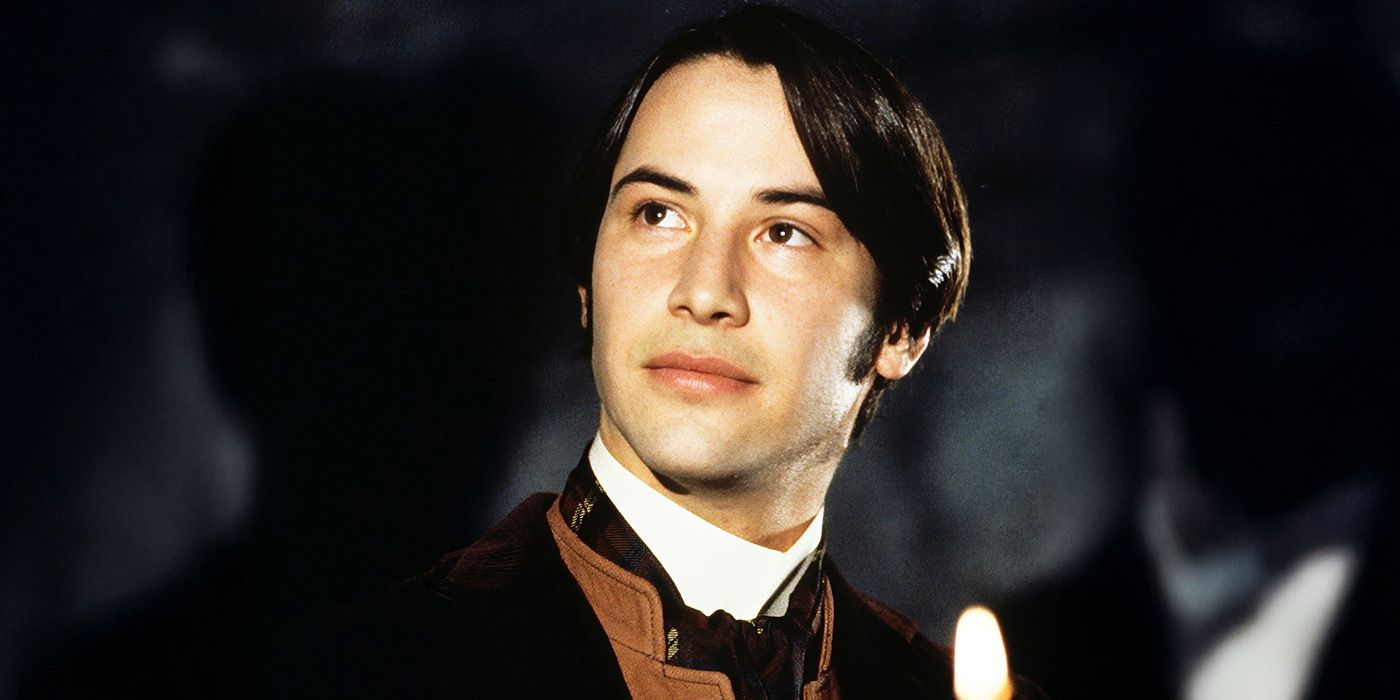
A Collider piece revisits Keanu Reeves's much-mocked performance as Jonathan Harker in Francis Ford Coppola's 1992 film Bram Stoker's Dracula, arguing that while the role is widely regarded as the weakest in his career, the criticism misses important context. The writer contends that Jonathan Harker is an inherently flat, underwritten character across nearly every Dracula adaptation, from Bela Lugosi's original to Nicholas Hoult's turn in Nosferatu, meaning Reeves was always working against a thin role rather than simply delivering a bad performance.
The article notes Reeves was Coppola's second choice after Johnny Depp, brought in for star power at the studio's insistence, and that he arrived exhausted after back-to-back shoots on Point Break, Bill and Ted's Bogus Journey and My Own Private Idaho. It argues his oft-mocked accent isn't the real issue, drawing a comparison to Dick Van Dyke's famously poor accent in Mary Poppins, and references a 2015 Entertainment Weekly interview in which Coppola discussed the circumstances behind the performance during filming.
In short
- Article defends Keanu Reeves's panned Dracula performance as misunderstood
- Jonathan Harker is argued to be a weak role in most adaptations
- Reeves replaced Johnny Depp and was exhausted during filming
Explained simply
Francis Ford Coppola's 1992 film adaptation of Bram Stoker's Dracula is often remembered for one particularly criticised performance: actor Keanu Reeves in the role of Jonathan Harker, a solicitor caught up in the vampire's plots. His portrayal has long been regarded as the weakest element of the film, with critics particularly mocking his accent and subdued delivery.
However, a recent re-examination of the film argues that such criticism may miss important context. The character of Jonathan Harker is inherently thinly written in virtually every Dracula adaptation, from the 1931 Bela Lugosi version to more recent films, which suggests Reeves was contending with an underwritten role rather than simply delivering a weak performance. This problem appears structural across different adaptations rather than particular to Reeves's interpretation.
The analysis also highlights circumstances that affected Reeves's performance during filming. He arrived exhausted after completing three demanding films back-to-back, and was cast at the studio's insistence rather than being Coppola's first choice for the role. His often-mocked accent is compared to other well-known performances, such as Dick Van Dyke's in Mary Poppins, which are remembered fondly despite similar issues.