Weird & Viral news and discussion on TalkFuse.
Evita’s Strange Conscience
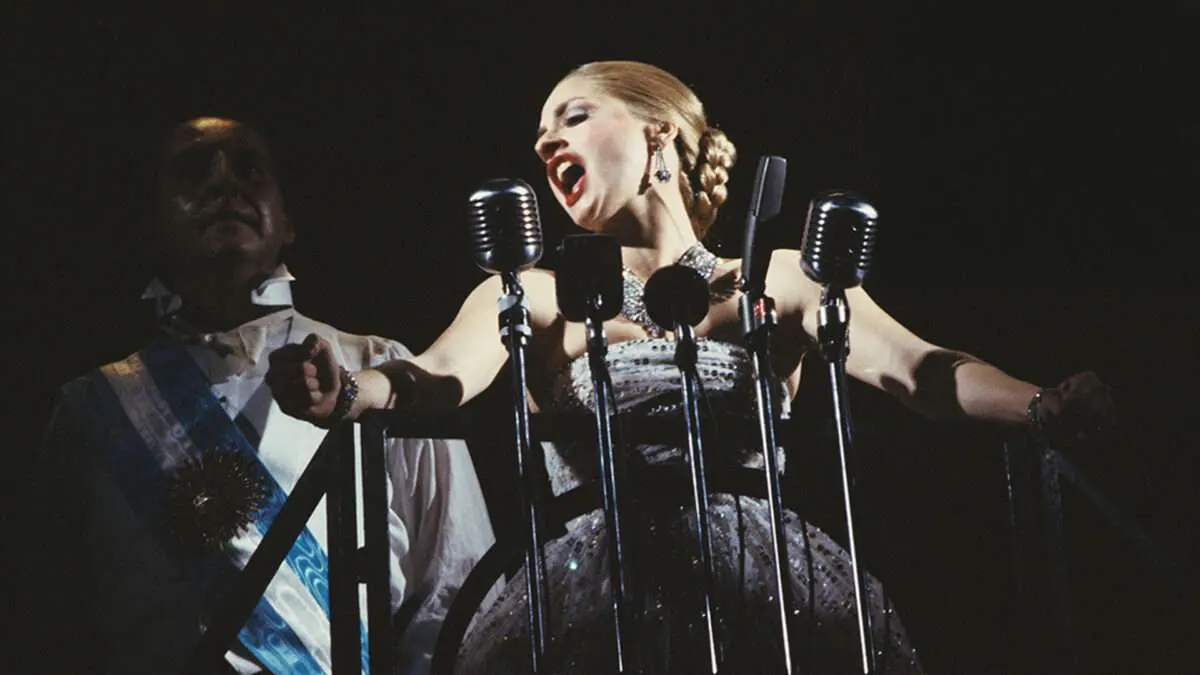
Billy Binion's article argues that Andrew Lloyd Webber's musical *Evita*, which returns to Broadway in 2027, distorts Argentine history. The show depicts Juan Perón hesitating over whether to run for president, with Eva urging him on, but the historical record suggests his announcement was swift and decisive. This matters because the musical has long been many audiences' main introduction to Argentina's politics and turmoil.
Perón announced his candidacy on the same day military officers, who feared his growing influence, released him from custody. He already held the posts of vice president, minister of war and secretary of labour, so the idea that he needed prompting does not fit the record. The narrator is Che Guevara, a device that lyricist Tim Rice explained in a 2014 *Guardian* interview as a way of getting "two icons for the price of one", and Che is cast as Eva's chief antagonist.
In short
- The musical Evita reshapes Juan Perón's decision to run for president
- Historical records suggest Perón announced his candidacy decisively and swiftly
- Che Guevara narrates, framing Eva Perón as a contested figure
Steelman: both sides, in good faith
The strongest fair case each way — we don't pick a winner.
The case for
Musicals routinely compress and reshape history, and their aim is emotional truth rather than documentary precision. Webber and Rice were writing about ambition, myth and the gap between public image and private motive, and a reluctant Perón gives the story a dramatic arc that a swift, businesslike announcement could not. Audiences generally understand that a stage work is an interpretation, and judging it by the standards of a history textbook misreads what it was built to do. The ambiguity about Eva's role and the choice of an outside narrator can also be read as invitations to question the myth rather than accept it.
The case against
A show that has run for decades and reaches audiences who know little else about Argentina carries a responsibility its creators cannot simply set aside. Inventing hesitation on Perón's part, when the record shows he moved decisively on the day he was freed, changes the character of a real man and the way he gained power. Casting Che Guevara, who played no part in that story, as Eva's antagonist uses a real and politically charged figure for convenience, and the result can leave viewers with a picture that is hard to correct. For a contested period whose memory still matters to Argentines, accuracy in a popular work is a matter of respect for the people it depicts, not a pedantic concern.
Offbeat Politics Weird & Viral