World news and discussion on TalkFuse.
Former army pilot suggests his aircraft may have prompted Lakenheath drone alert
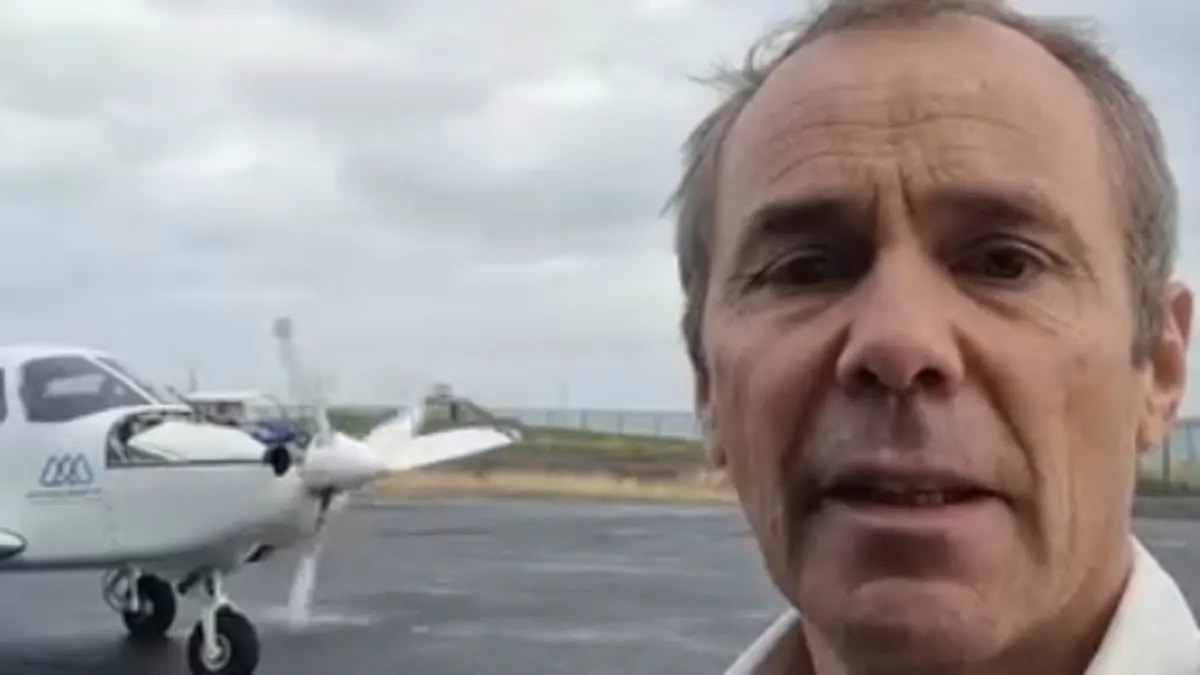
A former British Army helicopter pilot says his formation of three light aircraft may have triggered reports of suspicious drones near RAF Lakenheath in October. His account offers a possible explanation for the alert, which prompted sirens and reports of a base lockdown, though authorities have not confirmed the cause.
Sam Rutherford, 54, says he was leading three Cirrus SR20s over Norfolk at about 6,000 feet on a flight to Belgium, around the time the alert was raised. Only one aircraft had its transponder on, so the other two would not have appeared on flight tracking websites. Rutherford said the timing, location and number of aircraft matched the reported sightings; the US Air Force has not commented, and other factors reportedly contributed to the security response.
In short
- A pilot says three light aircraft may have sparked the drone alert.
- Only one aircraft had its transponder switched on.
- The US Air Force has not confirmed the explanation.
Steelman: both sides, in good faith
The strongest fair case each way — we don't pick a winner.
The case for
Rutherford’s account offers a plausible explanation: the timing, location and number of aircraft reportedly align with the sightings, and two planes were not visible on public flight-tracking websites. If observers mistook the formation for drones, it could help explain the alert without implying a deliberate threat.
The case against
The account remains unconfirmed, and matching timing and location do not establish that these aircraft were the objects reported. Other factors reportedly contributed to the security response, and without confirmation from the authorities or further evidence, the cause of the alert remains uncertain.
Explained simply
RAF Lakenheath is a major US Air Force base in Suffolk, eastern England. It is used by US forces operating in Britain and is separate from the British Army, which operates land forces and helicopters.
Aircraft transponders send signals that help air traffic controllers and tracking services identify and locate them. When an aircraft is not transmitting, it may be harder for those services to track, although that alone does not establish what observers saw.
Reports of possible drones near a military base can lead to security measures while their source is checked. The cause of the Lakenheath alert has not been confirmed, so Rutherford’s account remains a possible explanation.
Read the full article at the source →
Originally published by Daily Mail as “Ex-British Army pilot says HE caused the drone alert at RAF Lakenheath”.