World news and discussion on TalkFuse.
Jensen Huang open to returning as Nvidia chief executive
Developed over time first seen 2 days ago
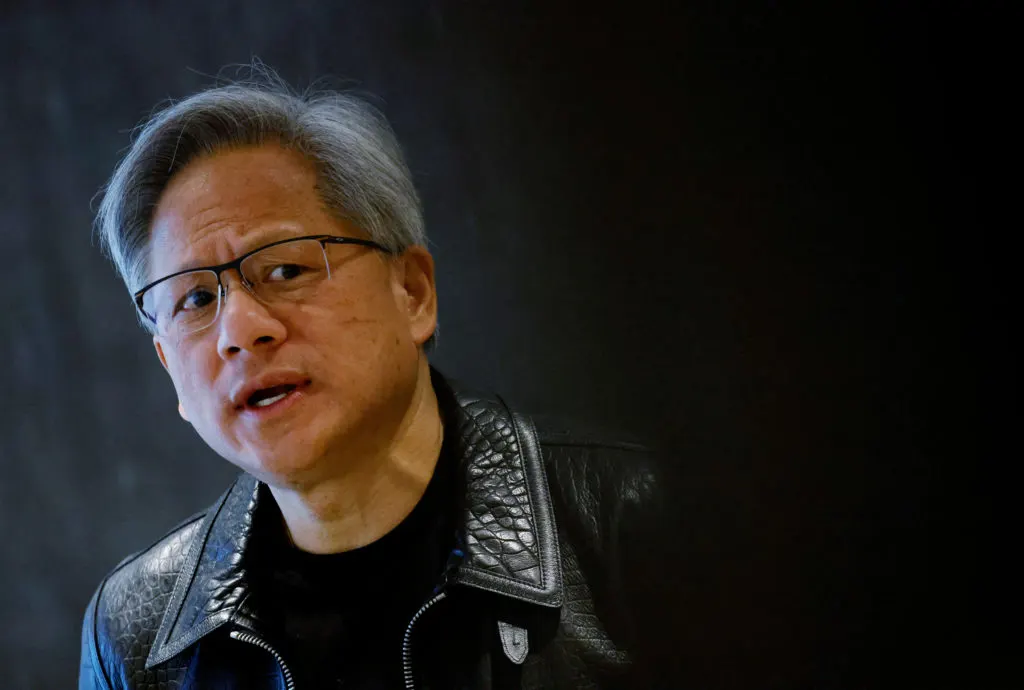
Jensen Huang has said he would return as Nvidia chief executive if the board decided it was in the best interests of the company and its stakeholders. His statement followed his resignation last week after revelations about alleged affairs, including one involving a businesswoman suspected of links to Chinese intelligence.
Huang acknowledged making “serious mistakes” in his personal life and said he had received support from employees, investors and business partners. Donald Trump and technology figures including Elon Musk have backed his return, while a person familiar with the board’s thinking said it was not considering reinstating him. Huang has agreed to appear before congressional committees on 1 December as scrutiny grows over Nvidia’s chip sales and alleged export-control breaches; the company’s general counsel is due to appear on 2 December.
- Sources
- 2
- Outlets
- 2
- Left · Centre · Right
- 0 · 1 · 1
In short
- Huang says he would return if Nvidia’s board asked him.
- Trump and tech figures have backed a comeback.
- Congress will question Huang over Nvidia’s chip sales.
How this story developed
- 2 days ago Huang’s remarks came as public support for his return grew, although a person familiar with the board’s thinking said it was not considering a comeback; he is due to face congressional committees on 1 December over scrutiny of Nvidia chip sales and possible export-control breaches, with the company’s general counsel scheduled to appear the next day.
- 2 days ago Jensen Huang said he would return as Nvidia chief executive if the board considered it best for the company and its stakeholders, following his resignation amid reports of alleged affairs, including one involving a businesswoman suspected of links to Chinese intelligence.
Full account
Former Nvidia chief executive Jensen Huang has said he would consider returning to lead the chipmaker if its board concluded that doing so was in the interests of the company and its stakeholders. In his first public statement since stepping down last week, Huang said he would be honoured to answer calls for his return. He also acknowledged serious personal mistakes and said he had received strong support from staff, investors, business partners and customers.
Huang’s departure followed reports of relationships outside his marriage, including one involving a Chinese businesswoman alleged to have links to Chinese intelligence, and another involving a senior Nvidia executive who reported to him. The allegations have prompted debate about the board’s decision and the company’s leadership. A petition organised by current and former employees and other supporters urged the board to reinstate Huang while an independent investigation takes place, arguing that the case for his removal had not been adequately established.
Some prominent figures have expressed admiration for Huang while stopping short of endorsing his return. OpenAI chief executive Sam Altman said he had personal sympathy for Huang and credited him with helping build a company central to the AI industry, but said he lacked enough information to judge whether he should resume the role. Amazon founder Jeff Bezos also praised Huang’s record without taking a position on reinstatement. He advised Nvidia to choose a successor from within if Huang did not return, arguing that an outsider would struggle to lead such a complex business.
Political and industry support for a comeback has also been reported. US President Donald Trump said he would not object to Huang’s reinstatement, while technology figures including Elon Musk have backed calls for his return. However, a person familiar with the Nvidia board’s thinking told the Associated Press that directors were not then considering bringing Huang back. Nvidia had not publicly responded to Huang’s statement at the time of the report. The leadership question comes as the company prepares to report quarterly results, with chief financial officer Colette Kress serving as interim chief executive.
Where outlets differ
From the full account, which is AI-written from the sources:
The Associated Press report centres on Huang’s statement, the campaign for his return and the board’s reported position that it was not considering reinstatement. The second report focuses on reactions from business leaders speaking at a Silicon Valley forum, including Altman’s and Bezos’s qualified praise and Bezos’s advice on succession.
The Associated Press also reports Trump’s support, the petition’s call for an independent investigation and the timing of Nvidia’s earnings announcement. The second report adds Amazon chief executive Andy Jassy’s view that the episode would not affect Amazon, which both buys Nvidia chips and develops its own; it describes the firms’ relationship as cooperative competition.
The reports present the allegations with different levels of detail. The Associated Press account describes two reported relationships and identifies the second person as a senior executive; the forum report gives broader context about the scandal but concentrates on its implications and leaders’ responses.
Centre outlets 1
Only here: open, returning, chief, executive
Right-leaning outlets 1
Only here: tech, ceos, resigning
Every side used: jensen, huang, nvidia
Headline columns compared word for word; nothing in them is AI-written.
Steelman: both sides, in good faith
The strongest fair case each way — we don't pick a winner.
The case for
Supporters could argue that Huang’s willingness to return, if the board judges it best for Nvidia, and the backing he says he has received from employees, investors and business partners point to confidence in his leadership. With scrutiny of the company’s chip sales and export controls growing, they may value experienced leadership during a consequential period, while expecting the board to weigh his personal conduct against the company’s needs.
The case against
Those opposing a return could argue that allegations involving possible links to Chinese intelligence raise serious questions about judgement and potential security risks, especially as Nvidia faces scrutiny over chip sales and export controls. They may see the resignation as necessary to protect trust in the company and argue that board independence and accountability matter more than calls from political figures or prominent technology leaders.
Explained simply
Nvidia makes the computer chips used in many artificial intelligence systems and is one of the world’s most valuable technology companies. Its chief executive leads the company and sets its overall direction.
Jensen Huang co-founded Nvidia and has led it for decades. The company is overseen by a board, which is responsible for appointing and supervising its chief executive.
Nvidia’s business has drawn attention from governments because advanced chips can have military uses and their sale is subject to export rules. Scrutiny of the company can therefore affect its business relationships and the wider debate over access to powerful technology.
Coverage · 2 sources
Bias meters
From 2 rated sources.
Asia Business Companies Politics World
Read the full article at the source →
Originally published by PBS NewsHour as “Ex-CEO Jensen Huang signals interest in returning to Nvidia after resigning amid scandal”.