World news and discussion on TalkFuse.
Ex-Chicago FBI chief sues DOJ, claims he was ousted over failed anti-ICE prosecutions
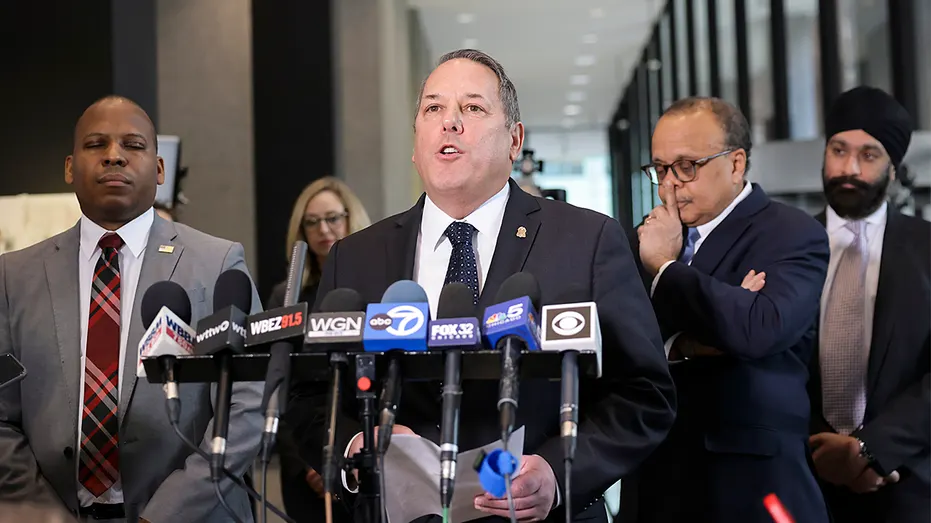
Former FBI Chicago field office chief Douglas DePodesta has sued senior Justice Department officials, alleging he was forced to resign after being blamed for the collapse of a case against six people who protested an immigration enforcement operation. He says prosecutors pursued politically motivated charges before gathering evidence, and that the dispute highlights concerns about political pressure in federal prosecutions.
The six were charged with felony conspiracy over a protest at an immigration detention facility in Broadview, but grand jurors twice declined to indict them and prosecutors dropped the charges in May. DePodesta’s lawsuit accuses Illinois’ top federal prosecutor, Andrew Boutros, of trying to shift blame; Boutros and three assistants have been ordered to testify under oath on 16 November as a judge examines possible prosecutorial misconduct. Prosecutors had charged about 30 people during Operation Midway Blitz, with many cases later dropped or dismissed.
In short
- Former FBI Chicago chief Douglas DePodesta is suing the Justice Department.
- He alleges political pressure shaped charges against immigration enforcement protesters.
- A judge has ordered four prosecutors to testify in the failed case.
Steelman: both sides, in good faith
The strongest fair case each way — we don't pick a winner.
The case for
DePodesta’s account, if substantiated, raises a serious concern that political pressure can distort federal law enforcement: prosecutors should build cases on evidence, and officials should not be pushed out for questioning charges that grand juries rejected. The repeated failure to secure indictments and the later dismissal of the charges make independent scrutiny of how the case was handled important.
The case against
The Justice Department and its prosecutors could argue that bringing charges after an investigation reflects a good-faith judgement about conduct and public safety, even when a grand jury ultimately declines to indict. The failed case alone does not establish political motivation or misconduct, and the allegations in DePodesta’s lawsuit remain to be tested through evidence and sworn testimony.
Explained simply
The FBI investigates federal crimes, while the Justice Department oversees federal prosecutors, who decide whether to bring charges in court. Chicago’s FBI field office and the US attorney’s office for northern Illinois are separate organisations, though they can work together on investigations.
Immigration and Customs Enforcement, or ICE, enforces federal immigration law. Broadview, near Chicago, has an immigration detention facility, and protests there took place during Operation Midway Blitz, an enforcement operation in the area.
A grand jury reviews evidence in serious federal cases and decides whether there is enough to issue an indictment, allowing a prosecution to proceed. Disputes over why the Broadview case failed have drawn attention to how prosecutors make charging decisions and to the boundaries between political leadership and independent law enforcement.