World news and discussion on TalkFuse.
Ex-counterterrorism official Joe Kent continues calling for US military withdrawal from Middle East
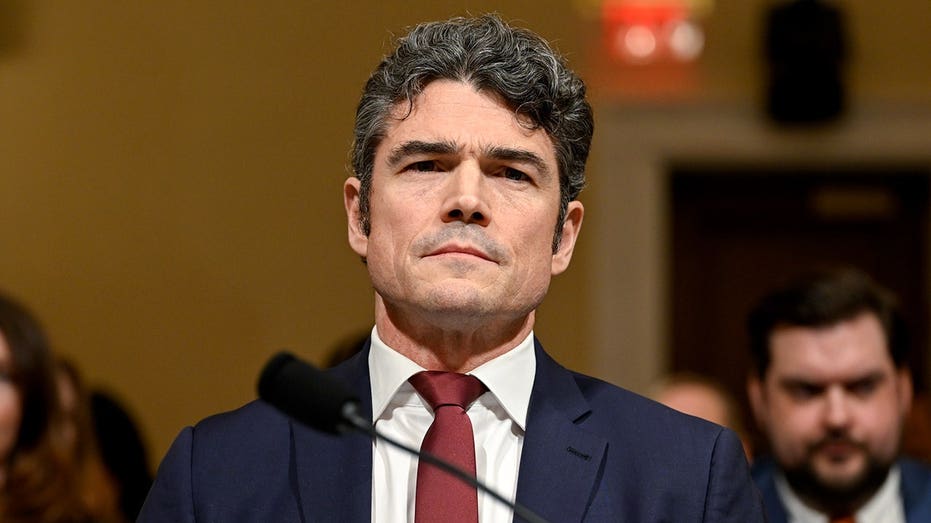
Former US National Counterterrorism Center Director Joe Kent has repeated his call for American troops to be withdrawn from the Middle East, warning that continued deployment risks a mass-casualty attack amid the ongoing conflict with Iran. His comments come as the United States is reportedly engaged in a ninth consecutive night of strikes on Iran, and follow the death of a US service member in Iraq, with troops separately recovering unidentified remains linked to an attack in Jordan.
Writing on X on Sunday, Kent argued that President Trump still has sufficient political capital domestically to frame a withdrawal as a declared victory, but cautioned this advantage would disappear if American forces suffered further casualties. He urged an immediate exit to "break the escalation trap" rather than risk deeper US military involvement. Fox News Digital said it had contacted the White House for comment on Monday but had not yet received a response.
In short
- Ex-counterterrorism chief Joe Kent renews call for US Middle East troop withdrawal
- Warns of mass-casualty attack risk amid escalating Iran conflict
- Comes after a US service member's death in Iraq and Jordan remains recovery
Steelman: both sides, in good faith
The strongest fair case each way — we don't pick a winner.
The case for
Joe Kent's argument rests on a pragmatic risk calculus: continued military presence in a volatile region significantly increases the likelihood of American casualties and potential escalation into a broader conflict with Iran. By withdrawing now whilst political conditions favour framing it as a strategic victory, the US can avoid the compounding costs—material, reputational, and human—of deepening involvement. He contends that staying risks repeating a cycle of escalation, where each provocation or casualty justifies further response, ultimately entrapping the nation in a conflict that yields diminishing returns and threatens many more lives.
The case against
The case for maintaining US military presence emphasises that withdrawal would create a strategic vacuum in a region of vital geopolitical importance, potentially emboldening hostile actors like Iran, destabilising American allies, and undermining counterterrorism capabilities that protect both regional and American interests. Advocates argue that the US has commitments to partners who depend on American security guarantees, and that precipitous withdrawal risks repeating past failures where hasty exits led to state collapse and extremist expansion. From this view, the challenge is not to abandon the region but to calibrate involvement more carefully, supporting stability and deterrence whilst avoiding unnecessary escalation.
Explained simply
Joe Kent is a former director of the US National Counterterrorism Center, a government agency responsible for countering terrorist threats. As someone with extensive experience in counterterrorism policy, his views carry weight in American political debates about military strategy.
The United States has stationed military forces throughout the Middle East for decades, primarily to combat terrorism and maintain American influence in a strategically important region. This presence has periodically led to conflict with Iran, a regional power that views the US military presence as a threat to its own security and regional standing.
The debate over these military deployments reflects a fundamental tension in American foreign policy: some officials and analysts believe American troops deter terrorism and maintain stability, whilst others argue they fuel tensions with countries like Iran, increase risk to American service members, and drain substantial public resources. Both sides see the stakes as high for American national security.