World news and discussion on TalkFuse.
Lammy urges Labour to pledge EU rejoining talks in next manifesto
Developed over time first seen 19 hours ago
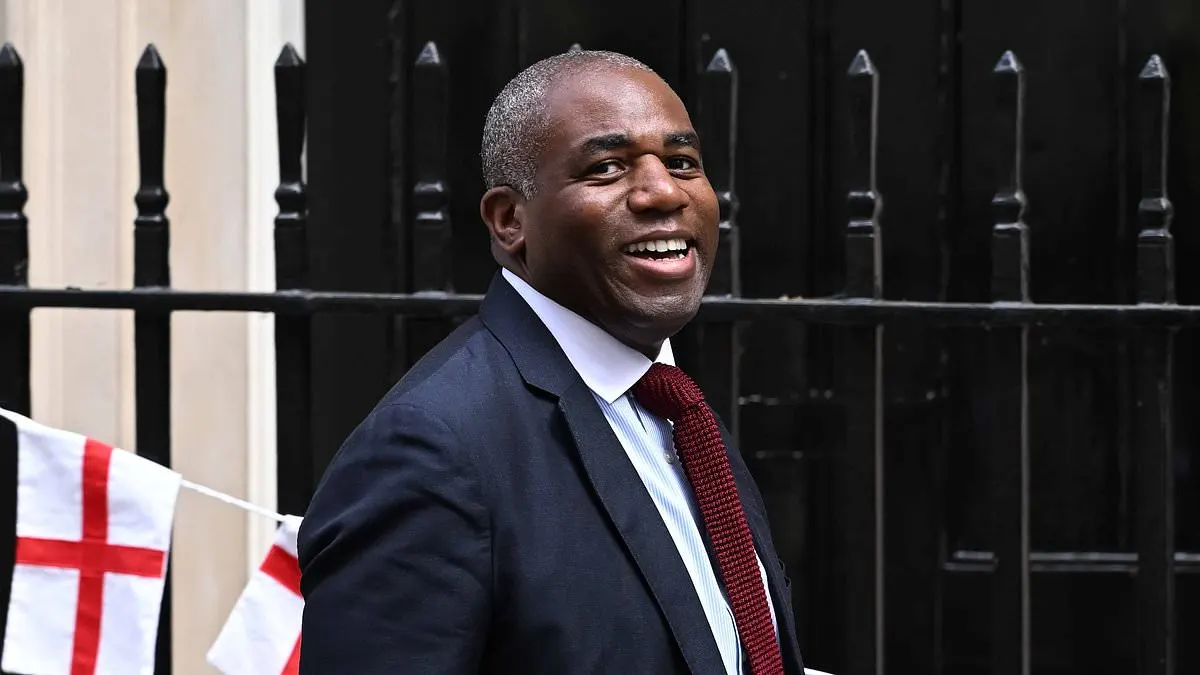
David Lammy has urged Labour to promise in its next election manifesto to rejoin the European Union, adding to calls within the party to reverse Brexit. He argues that an election victory would give Labour a mandate to negotiate membership, with the public asked to choose on the basis of a completed deal.
The debate is unfolding as Andy Burnham prepares to meet European Commission President Ursula von der Leyen at Friday’s UK-EU summit. Burnham says discussions about options for the long-term relationship will follow and that he will set out the next phase later this year, while Labour’s 2024 manifesto rules out rejoining the customs union or single market, and restoring free movement, before the election. Lammy says EU membership could cost more because the UK’s £4.5 billion annual rebate would not return; the proposal has unsettled some Labour MPs and Cabinet members, while Brexit supporters are preparing to oppose rejoining.
- Sources
- 2
- Outlets
- 2
- Left · Centre · Right
- 1 · 0 · 1
In short
- Lammy wants Labour to pledge EU rejoining talks in its next manifesto.
- He says voters should decide on any negotiated membership deal.
- Rejoining could cost more without the former £4.5 billion rebate.
How this story developed
- 12 hours ago David Lammy has urged Labour to make rejoining the European Union an explicit pledge in its next election manifesto, adding to calls within the party to reverse Brexit.
- 18 hours ago David Lammy has called for Labour to commit in its next election manifesto to rejoining the European Union, adding momentum to debate over reversing Brexit.
- 18 hours ago David Lammy has urged Labour to promise in its next election manifesto to rejoin the European Union, adding to calls within the party to reverse Brexit.
Full account
David Lammy has urged Labour to make rejoining the European Union an explicit aim in its next general election manifesto, arguing that a future government elected on that basis would have a mandate to begin formal negotiations. In an article for The Times, the former deputy prime minister and foreign secretary said any agreed deal should then be put to voters in a referendum, with a choice between two defined options.
Lammy’s intervention follows Andy Burnham’s comments at Labour’s September conference, which Lammy described as having “blown the door wide open” on the question. Burnham has said he wants to consider possible next steps in the UK’s relationship with the EU. He is due to meet European Commission president Ursula von der Leyen at a UK-EU summit in Brussels on Friday, where the two sides are expected to discuss elements of the post-Brexit relationship.
The timing and pace of any broader discussion remain unsettled. Burnham said on Monday that talks with EU partners about long-term options would begin after the summit, with proposals and an assessment to follow in due course. He has also said he intends to set out the next phase alongside Labour’s 10-year plan later this year. While he said there was “no rush” to present choices, he rejected the suggestion that debate about Brexit had become toxic.
Burnham has reiterated that Labour will observe the limits set out in its 2024 manifesto before the next election: no return to the customs union or single market, and no restoration of free movement. He has said the public will decide what happens beyond those commitments. Lammy’s proposal goes further by making EU membership a stated electoral objective. Some Labour MPs and ministers are reported to be uneasy about reopening the issue, while Conservative former prime ministers Boris Johnson and David Cameron have warned against returning to the bloc.
The Brussels meeting also concerns practical cooperation. Reports say a youth mobility arrangement is among the issues under discussion, potentially allowing young people to work temporarily on either side of the Channel. Burnham has said a proposed youth guarantee scheme would be open only to British citizens. The summit’s outcome may inform the next stage of talks, but the reports do not describe a settled timetable or a government decision to pursue EU membership.
Where outlets differ
From the full account, which is AI-written from the sources:
The first report presents Lammy’s statement as a wider escalation in Labour’s push to reverse Brexit and foregrounds political unease within the party and Cabinet. The second focuses on the upcoming Brussels summit and adds detail about the proposed youth mobility arrangement and youth guarantee scheme.
The accounts describe the timing differently in emphasis: the first says Burnham had appeared to ease off the timetable after previously indicating he would present options around the summit; the second says he appeared to prolong it. Both report that he plans to discuss options after the summit and set out a next phase later in the year.
The first report says Burnham denied changing the timeframe and quotes his plan to explain the next phase “next month”; the second gives the same response but frames it against his Monday remarks. The second source also ends mid-sentence while introducing Alan Milburn’s recommendations, so that subject is not developed here.
Left-leaning outlets 1
Only here: david, andy, burnham, campaign, election
Right-leaning outlets 1
Only here: labour, pledge, talks, manifesto
Every side used: lammy, urges, rejoining, next
Headline columns compared word for word; nothing in them is AI-written.
Steelman: both sides, in good faith
The strongest fair case each way — we don't pick a winner.
The case for
Labour should promise to negotiate EU membership and let voters decide on a concrete offer, giving the public a clear choice after years of debate over Brexit’s effects. Advocates may argue that renewed membership could strengthen trade, cooperation and the UK’s influence in Europe, and that a manifesto pledge would make the proposal democratically accountable.
The case against
Labour should avoid promising to rejoin before assessing what closer ties could achieve and explaining the trade-offs, particularly given its existing commitments and the political division around Brexit. Advocates of this caution may argue that voters chose to leave in 2016, and that any major change should follow careful public debate rather than a premature negotiating pledge.
Explained simply
Brexit was the UK’s decision to leave the European Union, following a 2016 referendum. The UK formally left in 2020. The EU is a political and economic union whose members share rules and arrangements for trade and movement.
David Lammy is a senior Labour politician, while Andy Burnham is the party’s leader and Prime Minister. Labour’s 2024 election manifesto ruled out returning to the EU’s single market, customs union or free movement arrangements. These are different forms of closer integration with the bloc.
The debate matters because changing the UK’s relationship with the EU could affect trade, migration rules and the balance of decision-making between the UK and the bloc. Any move to rejoin would involve negotiations and choices for voters, as well as disagreement within Labour and among supporters and opponents of Brexit.
Coverage · 2 sources
Bias meters
From 2 rated sources.
Read the full article at the source →
Originally published by Daily Mail as “Ex-deputy PM David Lammy ramps up Labour push to rejoin EU – despite Burnham delaying moves”.