World news and discussion on TalkFuse.
Ex-hostage recounts captivity in Iran-backed militia stronghold now targeted by Iraqi prime minister
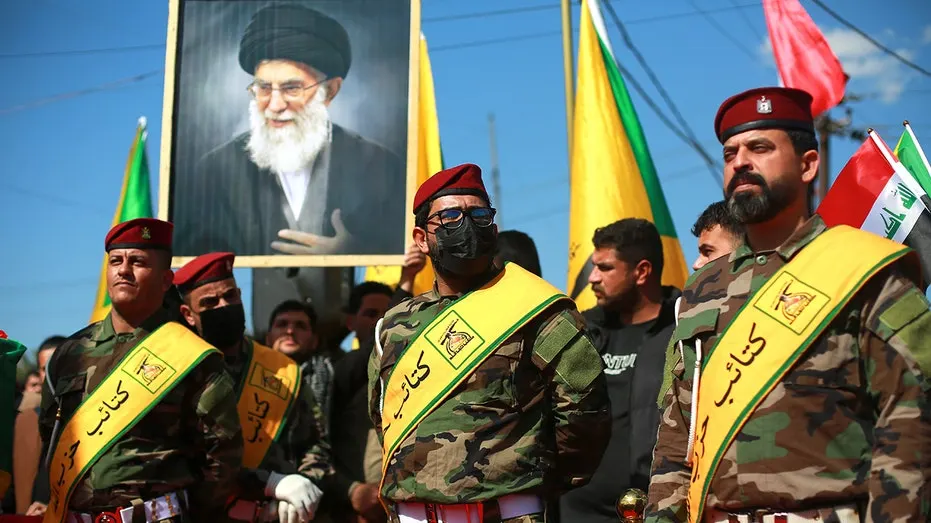
Elizabeth Tsurkov, an Israeli-Russian researcher held hostage for 903 days by Kata’ib Hezbollah, says the Iran-backed militia held her for four and a half months in a private home it had taken over in Jurf al-Sakhr. Her account comes as Iraqi Prime Minister Ali al-Zaidi has ordered the armed forces into the militia stronghold, raising questions about whether Baghdad can restore state control and enable displaced residents to return.
Tsurkov urged authorities to search the area and nearby communities for alleged secret prisons, mass burial sites and weapons stores, and to return confiscated homes. She estimates that 120,000 to 180,000 people were displaced after militias helped drive out ISIS in 2014 and blocked the predominantly Sunni population from returning. The operation follows allegations that the militia stole hundreds of millions of dollars in state oil; the government has dismissed nine officials and referred suspects to the judiciary, while the militia denies wrongdoing. Analyst Michael Knights questioned whether the government would carry out a lasting crackdown.
In short
- Tsurkov says she was held in Jurf al-Sakhr for four and a half months.
- Iraq’s prime minister has ordered forces into the militia stronghold.
- Up to 180,000 people were displaced from the area and nearby communities.
Steelman: both sides, in good faith
The strongest fair case each way — we don't pick a winner.
The case for
Supporters of the operation can argue that the state must investigate alleged secret prisons, mass graves and weapons stores, recover confiscated homes, and make it possible for displaced residents to return. Enforcing the law against an armed group accused of operating beyond state control could protect civilians and strengthen Iraq’s institutions.
The case against
Critics can argue that sending forces into a militia stronghold risks escalating violence and harming civilians, while a show of force may not deliver lasting state control. They may also question whether Baghdad can act impartially and sustain the operation, particularly given the militia’s denial of wrongdoing and uncertainty about the allegations.
Explained simply
Jurf al-Sakhr is a town south of Baghdad that became a stronghold for armed groups after Islamic State, also known as ISIS, was driven out in 2014. Many residents, most of them Sunni Muslims, were displaced and have not been able to return to their homes.
Kata’ib Hezbollah is an Iraqi armed group backed by Iran and separate from the country’s regular armed forces. The Iraqi government, led by Prime Minister Ali al-Zaidi, is responsible for security and for enforcing state authority, but armed groups have retained influence in some areas.
The dispute matters because it concerns the government’s ability to control territory, investigate alleged abuses and help displaced people return. It also raises questions about allegations of missing people, secret detention sites and the use of public resources.
Europe Government Middle East Politics World