Ex-minister Jess Phillips admits she pulled a sickie to avoid having to defend Peter Mandelson in the Commons
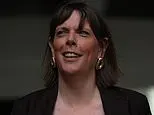
Former minister Jess Phillips has admitted to feigning illness to avoid appearing in the House of Commons to defend Peter Mandelson at a time when he was facing scrutiny. The disclosure offers a rare, candid glimpse into how government ministers can manoeuvre to sidestep politically awkward duties, and comes as Mandelson's past conduct continues to attract renewed attention.
Phillips reportedly opted to call in sick rather than face the prospect of having to publicly defend Mandelson in parliamentary proceedings, a task she evidently wished to avoid. The admission has drawn attention to the pressures placed on junior and departing ministers to publicly back colleagues whose reputations are under strain, highlighting tensions within government over how to handle politically sensitive figures.
In short
- Jess Phillips admits skipping Commons duty to dodge defending Mandelson.
- She avoided having to publicly back him amid scrutiny.
- Episode highlights ministerial reluctance over defending controversial colleagues.
Steelman: both sides, in good faith
The strongest fair case each way — we don't pick a winner.
The case for
Sympathetic observers see this as a candid, humanising confession rather than a scandal: Jess Phillips was being asked, as a junior minister, to publicly defend a controversial appointment she had not made and reportedly had reservations about, during a period of intense political embarrassment for the Government over Peter Mandelson. Avoiding that particular duty on a particular day, they argue, was a very human response to an invidious position, and her willingness to admit it later shows welcome honesty and self-deprecation rare among politicians.
The case against
Critics take a firmer view of ministerial duty, arguing that MPs and ministers are paid and elected precisely to answer difficult questions in the Commons, however uncomfortable, and that feigning illness to dodge scrutiny – especially over a matter as serious as a senior diplomatic appointment – sets a troubling precedent for accountability. They would say that laughing the episode off risks normalising evasion of parliamentary duty, and that the admission, however candidly delivered, undermines public trust in ministers' willingness to face awkward scrutiny rather than avoid it.
Explained simply
The House of Commons is where MPs debate issues and question the government. Ministers are expected to explain and defend government decisions there, including decisions involving other politicians.
Jess Phillips is a Labour politician who has served as a government minister. Peter Mandelson is a senior Labour figure who has held prominent roles in politics and government; his conduct has faced scrutiny. The account concerns the pressures ministers can face when asked to speak publicly about a colleague under criticism.