World news and discussion on TalkFuse.
Ex-NFL punter sues NCAA after heartbreaking Parkinson’s diagnosis
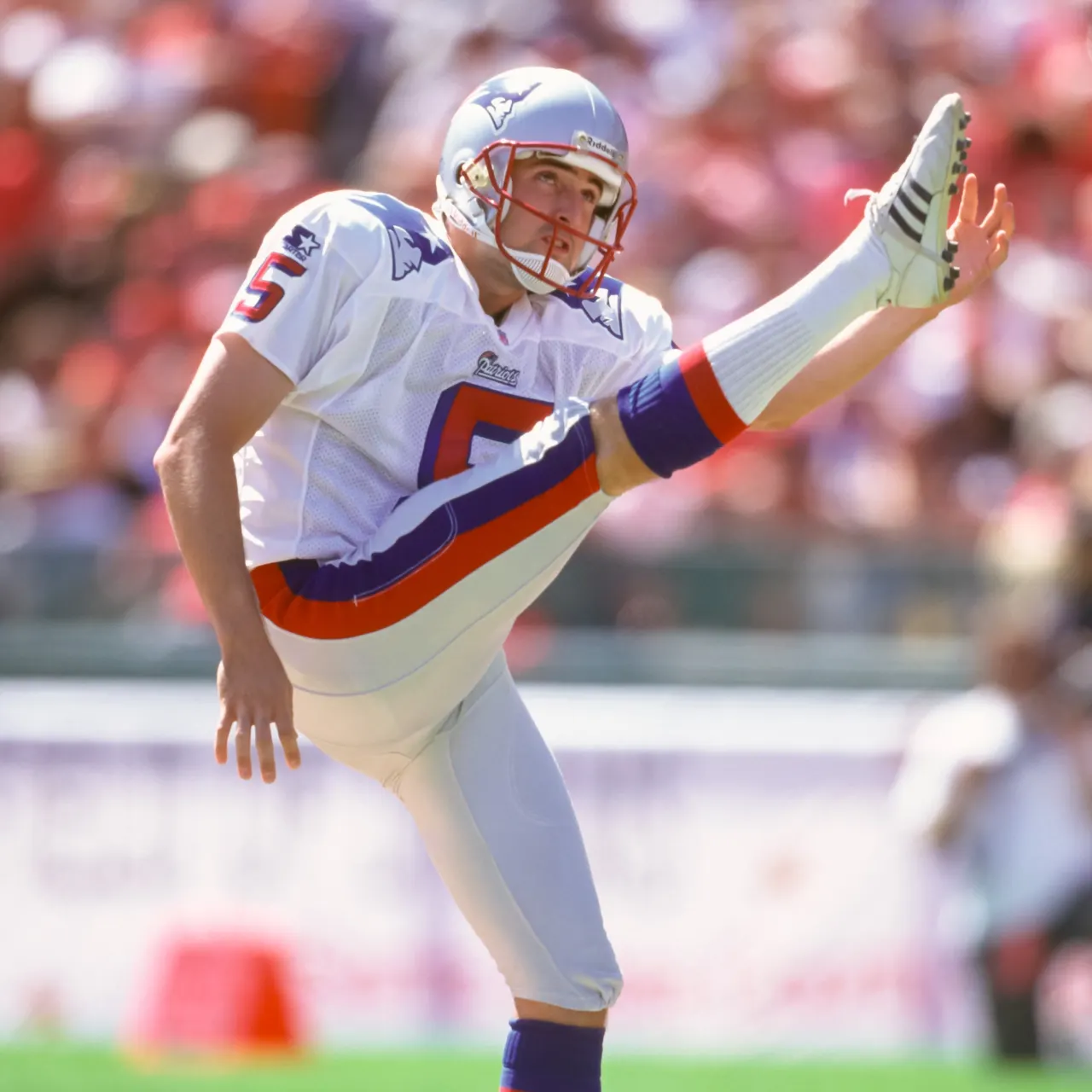
Patrick O’Neill, a former NFL punter who later became an orthopaedic surgeon, is suing the NCAA, alleging that repeated concussions while playing college football contributed to his Parkinson’s disease. The lawsuit says the condition has greatly reduced his ability to practise surgery and argues the NCAA failed to protect players or inform them about the risks of head injuries.
O’Neill, 55, played for Syracuse University from 1990 to 1993 before joining the NFL in 1994, then left football to study medicine at Johns Hopkins. Filed on 2 November in Manhattan Supreme Court, the suit alleges he was encouraged to play through head injuries and was not removed from the field for assessment or rest. It also claims the NCAA knew of links between repeated head trauma and Parkinson’s disease and ignored medical recommendations on concussion limits; the NCAA and other named parties did not respond to requests for comment.
In short
- Former NFL punter Patrick O’Neill is suing the NCAA.
- He alleges college football concussions contributed to Parkinson’s disease.
- The suit says the condition has affected his work as a surgeon.
Steelman: both sides, in good faith
The strongest fair case each way — we don't pick a winner.
The case for
O’Neill’s case is that universities and governing bodies had a duty to protect student athletes, especially if they knew repeated head impacts could cause lasting harm. If players were encouraged to continue after head injuries and were not told about serious risks, he argues, the NCAA should be held accountable for failing to take reasonable precautions and for the damage he says followed.
The case against
The NCAA could argue that the lawsuit must establish both what the organisation knew and what safeguards were reasonable at the time, as well as whether O’Neill’s football injuries caused his Parkinson’s disease. It may also contend that college football involves inherent risks and that responsibility for on-field assessment and care was shared among coaches, universities, medical staff and governing bodies.