Joseph Kabila appointed head of new DR Congo rebel alliance
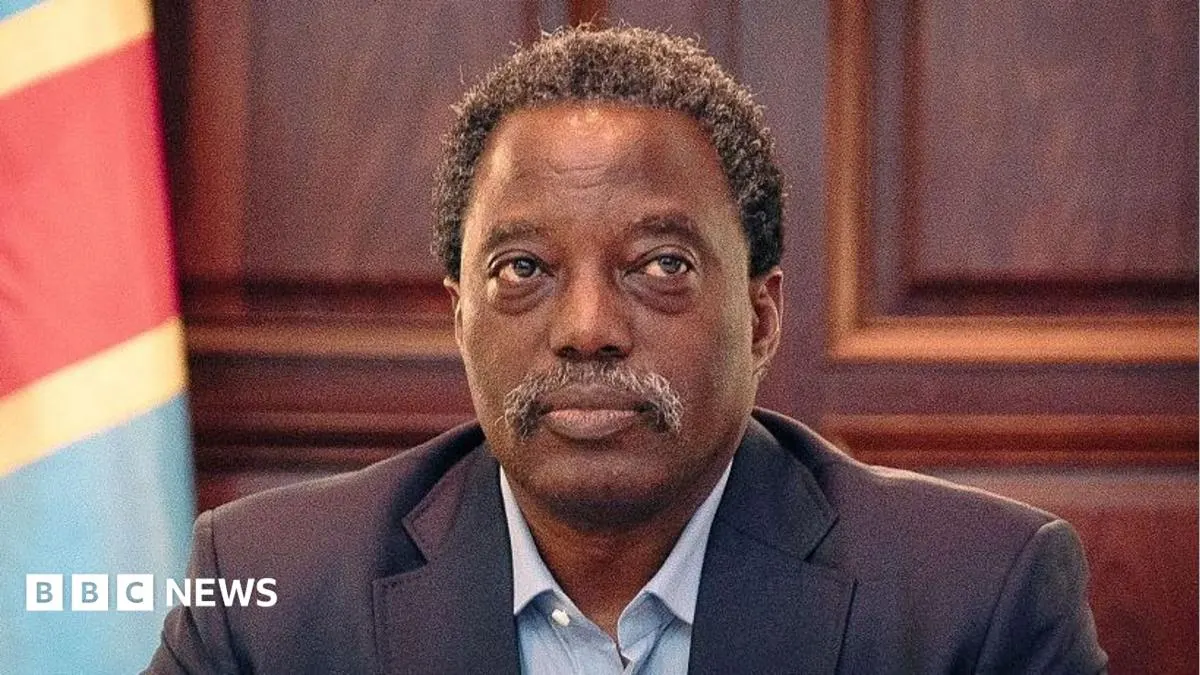
Joseph Kabila, former president of the Democratic Republic of Congo, has been named leader of a new rebel coalition seeking to oust the current government. This announcement is significant as it represents his clearest direct involvement in an armed movement since he was sentenced to death in absentia for treason a year ago. The coalition has backing from the M23 rebel group, which controls much of eastern DR Congo, with M23's leader serving as one of Kabila's four deputies.
Kabila ruled the Democratic Republic of Congo from 2001 until January 2019, when Félix Tshisekedi succeeded him in a disputed election. The two were once political allies but later fell out; Kabila went into self-imposed exile in 2023 before returning to Goma last year. Eastern DR Congo remains wracked by violence involving over 100 militia groups fighting for control of mineral-rich regions, with Rwanda accused of backing M23 despite denying involvement. Tshisekedi's second term ends in 2028, though the government has indicated elections may not take place as scheduled due to ongoing conflict.
- Kabila leads new rebel coalition seeking to oust Tshisekedi government.
- M23 rebel leader serves as one of Kabila's four deputies.
- Eastern Congo plagued by violence from over 100 armed militia groups.
New here? Start with this
The Democratic Republic of Congo has experienced decades of armed conflict in its mineral-rich eastern regions, where more than a hundred militia groups have fought for control of territory. This violence has displaced millions of people and left large areas of the country beyond government control.
Joseph Kabila was president of the DR Congo from 2001 until 2019, when he lost a disputed election to Félix Tshisekedi, a former political ally with whom he later fell out. Kabila subsequently went into self-imposed exile before returning to the country in recent years.
The eastern DR Congo remains a focal point of competition between various armed groups and other actors seeking to control the region and its resources. Political struggle at the national level is connected to these eastern conflicts, making the region strategically important in wider questions of who holds power within the country.
Both sides, in good faith
The strongest fair case each way — we don't pick a winner.
The case for
The strongest case for Kabila's leadership of this coalition rests on serious concerns about the current government's democratic trajectory. Tshisekedi's administration oversaw disputed elections in 2019 and 2023, and has now suggested that scheduled 2028 elections may not occur due to ongoing conflict—a pattern that raises legitimate questions about whether genuine democratic governance remains possible under his rule. Kabila, despite his past shortcomings, commands support from significant armed groups and possesses extensive experience governing the nation; from this perspective, his involvement represents a potentially stabilising alternative capable of restoring order and addressing the humanitarian crisis that Tshisekedi's government has failed to resolve.
The case against
The case against Kabila's rebellion emphasises that armed military movements entrench rather than resolve the DRC's deep instability, particularly in the already fractured east where over 100 militia groups compete for control. Kabila himself was associated with authoritarianism, corruption and human rights violations during his eighteen-year presidency, whilst his current alliance with powerful militia groups like M23 suggests this is less a democratic political movement than a factional power grab by elites and armed factions. Rather than ameliorating the humanitarian catastrophe, another major armed faction will displace civilians and deepen conflict; genuine solutions require political dialogue and restored democratic processes, not military takeover by a man convicted of treason.
Read the full article at the source →
Originally published by BBC World as “Ex-president named leader of new DR Congo rebel coalition”.