EXCLUSIVE: Biden pardon won’t shield Fauci if he lies to Congress, Comer says
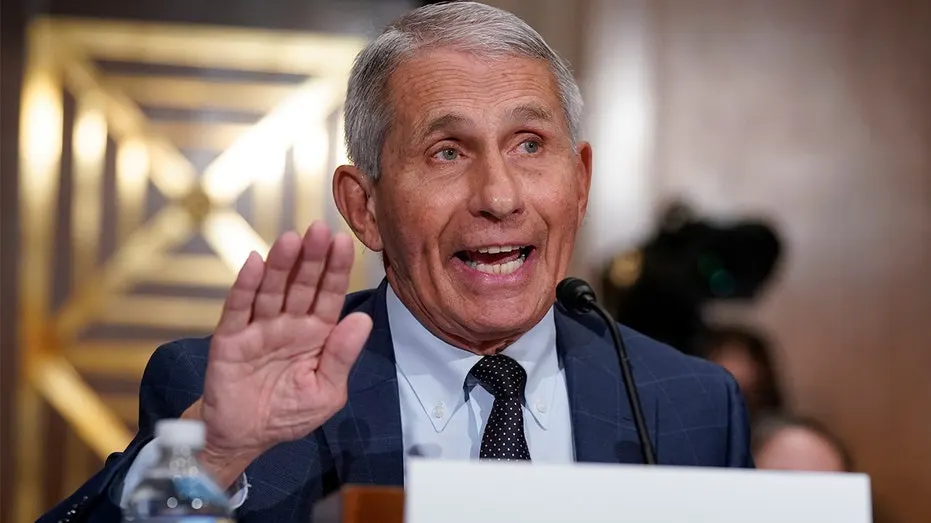
House Oversight Committee Chairman James Comer has warned Dr Anthony Fauci that the pardon granted to him by former President Joe Biden will not protect him if he lies to Congress during an upcoming Senate appearance. The warning comes as Fauci prepares to testify before a Republican-led Senate committee, amid ongoing scrutiny of his role overseeing the US pandemic response, including allegations concerning gain-of-function research funding and the origins of Covid-19.
Comer's intervention follows a wave of criticism from Republican lawmakers, including Senator Ron Johnson, who has accused Fauci of being "grossly dishonest" and has alleged he contradicted himself over the virus's origins while backing lockdown policies. Newly surfaced diary entries reportedly show Fauci privately taking credit for lockdown decisions despite publicly denying responsibility, further fuelling GOP demands for accountability ahead of his testimony.
In short
- Comer says Biden's pardon won't cover false statements Fauci makes to Congress
- Fauci due to testify before GOP-led Senate committee
- Follows claims he privately credited himself for lockdowns
Steelman: both sides, in good faith
The strongest fair case each way — we don't pick a winner.
The case for
There are legitimate questions about significant pandemic decisions – including research funding, public health policies, and communications about the virus's origins – that warrant Congressional scrutiny. If private communications contradict public statements on matters affecting millions of Americans, seeking truthful testimony serves democratic oversight and helps establish factual records about how major policies were made and justified.
The case against
Fauci served as a key public health advisor during an unprecedented crisis, making difficult decisions based on evolving scientific understanding. Officials in such positions often maintain distinctions between private deliberations and public communications for legitimate reasons – managing confidence, acknowledging uncertainty – and these should not be construed as dishonesty. Given extensive prior investigations, further scrutiny risks becoming retrospective political theatre rather than genuine inquiry aimed at improving future preparedness.
Explained simply
Dr Anthony Fauci led America's pandemic response as director of the National Institute of Allergy and Infectious Diseases. His role in decisions on lockdowns and other pandemic policies became the subject of intense political scrutiny, particularly from Republican lawmakers who have alleged he made misleading statements and contradicted himself on key issues including the virus's origins.
Former President Joe Biden granted Fauci a pardon shortly before leaving office. The pardon raised questions about its scope, particularly given Republican allegations that Fauci had been "grossly dishonest" about matters including gain-of-function research funding and the virus's origins. Some Republicans cite newly surfaced diary entries suggesting Fauci privately took credit for lockdown decisions despite publicly distancing himself from them.
Fauci is scheduled to testify before a Senate committee. House Oversight Committee Chairman James Comer has warned that the pardon does not protect Fauci if he lies under oath, as perjury before Congress constitutes a separate offence. The upcoming testimony comes amid continued Republican demands for accountability over the federal pandemic response.