EXCLUSIVE: Fed timeline challenges reports of migrant baby facing immigration judge alone
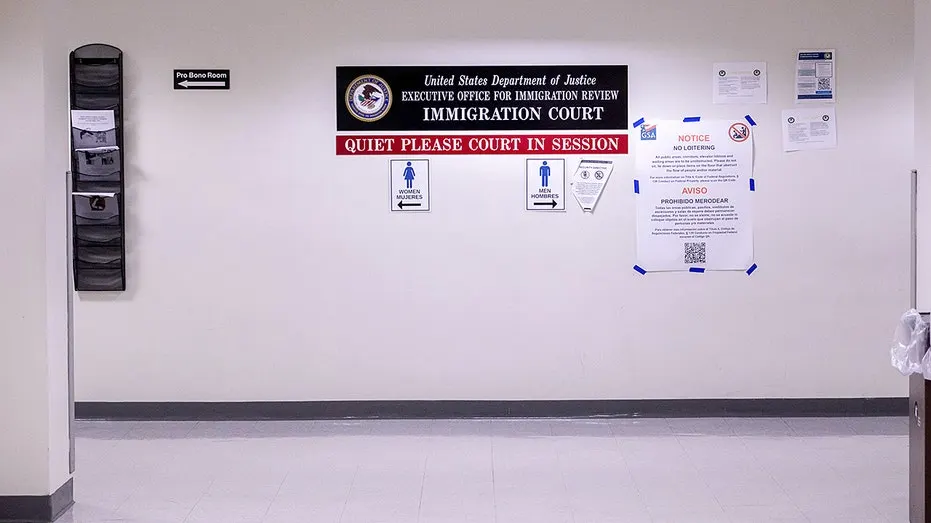
Federal records challenge reports that a one-year-old migrant boy had to face immigration court alone, showing that legal providers later secured representation for him and his mother. The timeline also documents an initial failure by a government contractor to arrange counsel, which officials cite as evidence of oversight problems.
US border officers encountered the boy and his 17-year-old mother near Naco, Arizona, on 25 June. Their former contractor completed an initial legal consultation but did not file the required court notice, leaving them without a lawyer at a 8 July hearing; after the contract ended on 31 July, USCRI took over, and the pair had an attorney by 29 September. The article says the former contractor had received a $356.3 million federal contract, with more than $236.9 million spent before it ended; officials also criticised redacted invoices that made it difficult to assess services provided.
In short
- Records show the boy attended hearings with his mother.
- A contractor failed to file the required notice before the first hearing.
- USCRI represented both by 29 September.
Steelman: both sides, in good faith
The strongest fair case each way — we don't pick a winner.
The case for
The timeline supports concern that the boy and his mother were left without counsel at their 8 July hearing because the contractor failed to file a required notice, despite having completed an initial consultation. Given the scale of public spending and officials’ difficulty assessing redacted invoices, the episode can reasonably be seen as evidence that oversight and contract accountability need strengthening.
The case against
The records also qualify claims that the child ultimately faced the immigration process alone: after a new provider took over, he and his mother had an attorney by 29 September. The initial failure is serious, but the later representation and the change of contractor may support a more measured account focused on a gap in service and the response to it, rather than implying that the family remained unrepresented throughout.
Explained simply
US immigration courts hear cases involving people who may be allowed to stay in the United States or required to leave. Children who arrive without a parent or guardian can be placed in separate proceedings, and government programmes have funded legal help for some migrant children and families.
Federal agencies hire contractors to provide services such as legal consultations and help arranging lawyers. In this case, the boy and his teenage mother were encountered near the Arizona border; the records describe a handover between contractors and raise questions about whether the contracted services were properly delivered and documented.