Culture news and discussion on TalkFuse.
EXCLUSIVE: New America 250 monument lets families find military relatives in seconds: ‘I had tears in my eyes’
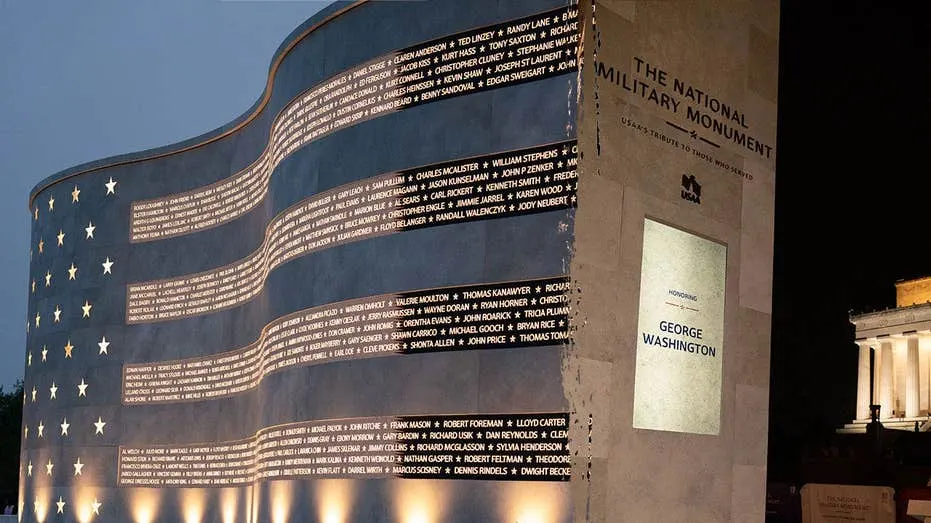
A new National Military Monument has opened at the Lincoln Memorial in Washington as part of the America250 celebrations marking the nation's 250th birthday. The installation allows visitors to search for relatives who served in the US military, with names appearing within seconds on two large digital American flags, and has already prompted emotional reactions from veterans and family members who found loved ones honoured among the display.
The monument, sponsored by USAA, commemorates more than 41 million Americans whose military service spans from the Revolutionary War to the present day. It draws on military records, public databases, veterans' organisations and voluntary submissions to build its searchable database, and opened to the public on Monday as one of the flagship installations of the nationwide America250 programme.
In short
- New military monument opened at Lincoln Memorial for America250
- Lets families instantly search for relatives' military service records
- Honours over 41 million US service members since the Revolutionary War
Explained simply
America250 is a nationwide programme marking the United States' 250th anniversary of independence, with commemorative events and installations across the country. The Lincoln Memorial in Washington is now home to one of the programme's flagship projects: a new National Military Monument that allows visitors to search a database for relatives who served in the military.
The monument displays names on two large digital American flags and can locate a service member within seconds once a visitor enters their details. The database includes more than 41 million Americans whose military service spans from the Revolutionary War to the present day, drawing information from military records, public databases, veterans' organisations and people who have submitted information voluntarily.
For many people, military service is part of their family history, whether through grandparents, parents, cousins or other relatives. The monument offers visitors a way to trace and acknowledge that heritage in a prominent national space, potentially uncovering details about relatives they knew little about.