Expensive flash drives: When and why it’s worth paying more
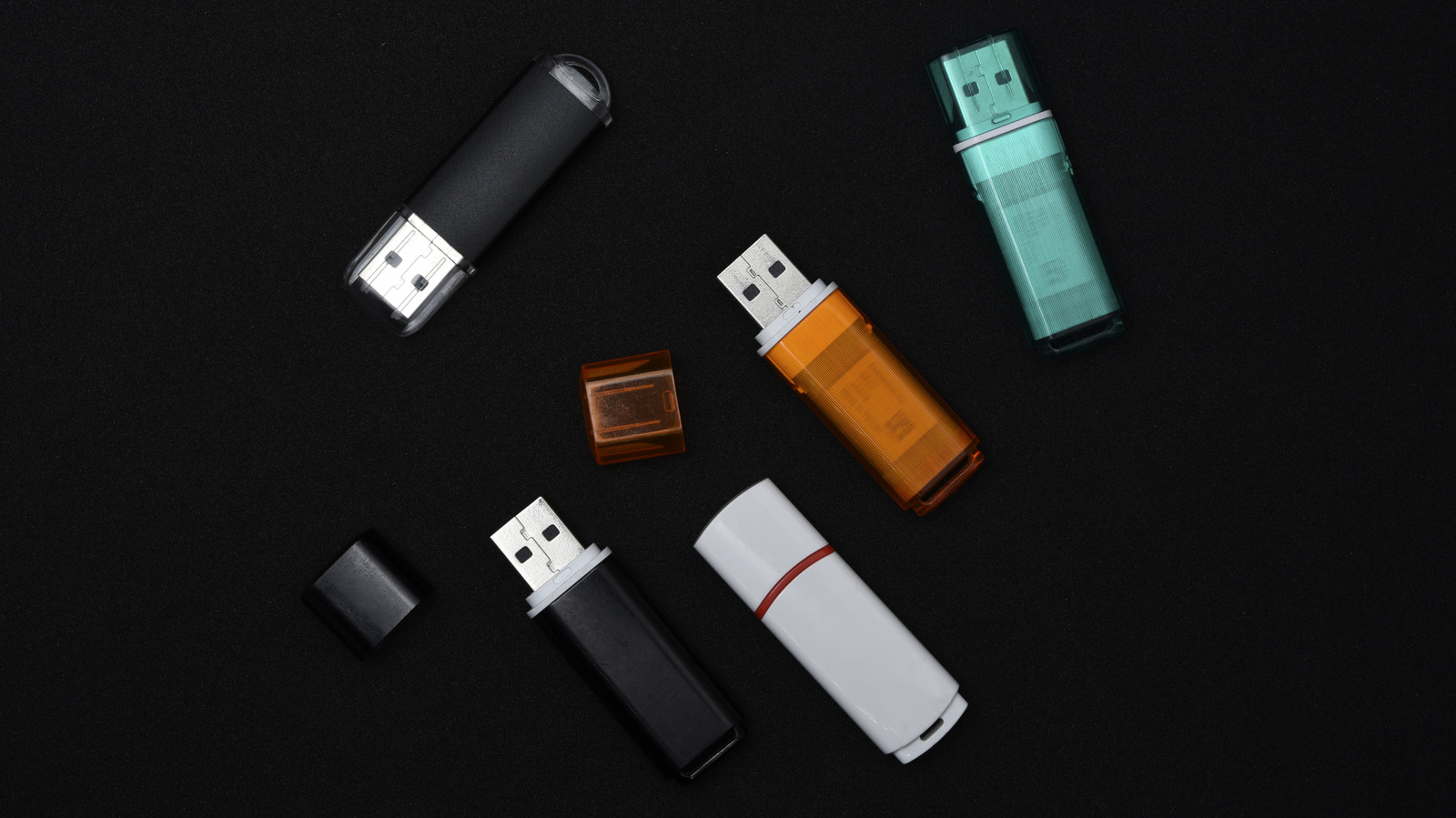
Premium flash drives can be worth the extra cost, but faster transfers are only one reason to pay more. Higher-priced models may offer stronger security, greater durability or USB-A and USB-C compatibility, while inexpensive drives can still be adequate for small everyday files.
USB labels are confusing: USB 3.2 may support 5, 10 or 20 Gbps, and USB-C describes the connector rather than performance. Real-world speeds vary widely, with examples ranging from 58.4 MB/s writes on Samsung’s Fit Plus to 900 MB/s on Kingston’s DataTraveler Max; other premium features include hardware encryption, physical protection and resistance to water, shock and extreme temperatures.
- Pay more for speed, security, durability or connector flexibility.
- USB-C and USB 3.2 labels do not guarantee high performance.
- Check sustained write speeds and real-world reviews before buying.