Reduce Android animation speeds to make everyday actions feel quicker
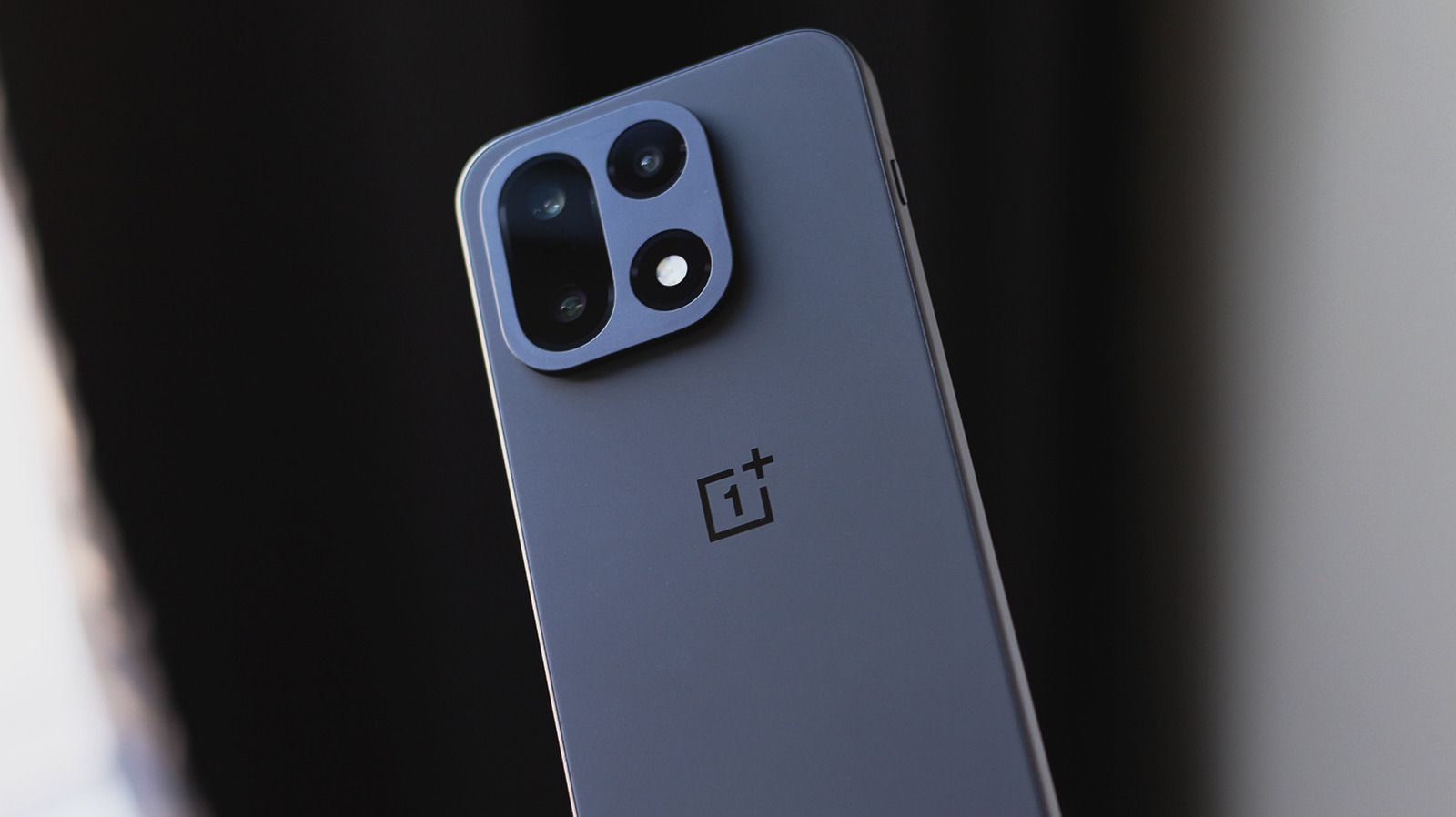
The article describes an Android setting that can make a phone feel more responsive by speeding up its interface animations. It matters because the change can make everyday actions, such as unlocking the phone, opening apps and switching between them, seem quicker, although it does not improve the phone’s actual performance.
To adjust it, users enable Developer Options by tapping “Build Number” seven times in Settings, then set Window animation scale, Transition animation scale and Animator duration scale to 0.5x under Drawing. Faster animations may feel less smooth if a phone or app takes longer to load, and the effect varies between Android interfaces; turning off Developer Options resets the settings.
- Halve Android’s three animation scales to make interactions feel quicker.
- The change affects perceived speed, not actual performance.
- Slower phones may feel less smooth; disabling Developer Options resets it.
Both sides, in good faith
The strongest fair case each way — we don't pick a winner.
The case for
Users should retain autonomy over how their interface feels, and perception of responsiveness is a legitimate aspect of user experience that genuinely matters in daily use. Faster animations reduce frustration and deliver real benefit to those who prefer snappier interfaces, and this is a straightforward, reversible setting that respects individual choice without harming anyone. Different users have different aesthetic and functional preferences, and providing this option allows them to customise their experience appropriately.
The case against
Whilst user choice matters, speeding up animations without improving actual performance risks creating a false impression of device capability that masks genuine problems. Slow app launches, system lag, or insufficient RAM need genuine solutions, not cosmetic workarounds; faster animations can leave users satisfied with superficial improvement whilst real bottlenecks remain unaddressed. This conflates aesthetic preference with true responsiveness in a way that could mislead users into believing their device has improved when only perception has changed, potentially preventing them from making informed decisions about whether their hardware truly meets their needs.
Read the full article at the source →
Originally published by Engadget as “This setting change can make your Android phone feel instantly faster”.