Expert calls California ‘Wild West’ for surrogacy after couple charged with abusing surrogate-born children
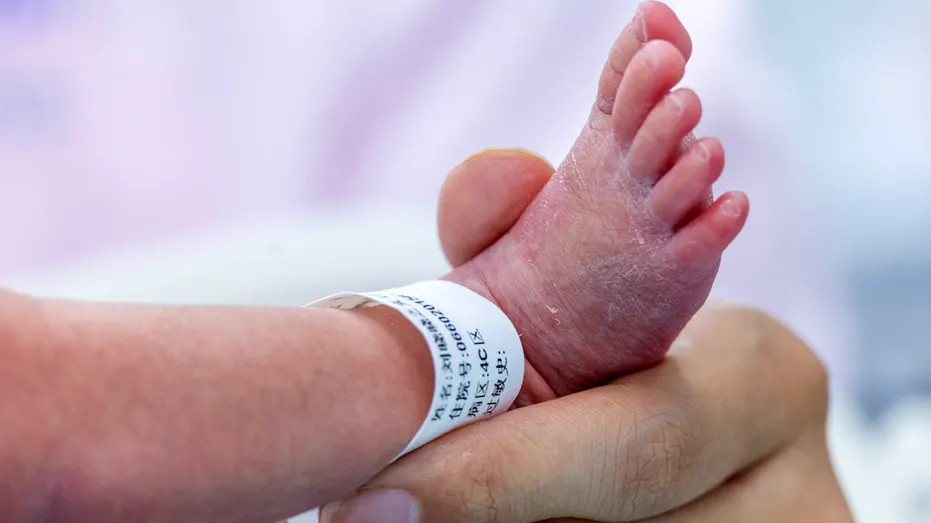
California authorities have accused Guojun Xuan and Silvia Zhang of conspiring to abuse children born through surrogacy, bringing scrutiny to an industry that an advocacy group leader says has few safeguards. Prosecutors allege more than a dozen children, some just two months old, were beaten and punished at the couple’s home in Arcadia.
The couple allegedly ran Future Spring Surrogacy from the same home, recruiting surrogates and paying them tens of thousands of dollars. Officials said at least eight surrogates reported aggressive tactics and false claims about the family’s living arrangements. California does not require a licence to open a surrogacy agency, and the article says the state has no comprehensive framework for overseeing the industry; the case has renewed debate about protections for children and surrogates.
- A California couple faces charges over alleged abuse of surrogate-born children.
- Prosecutors say more than a dozen children were affected.
- California does not require surrogacy agencies to hold a licence.
New here? Start with this
Surrogacy is an arrangement in which someone carries a pregnancy for people who intend to raise the child. Agencies can help recruit surrogates and organise the process, while intended parents may pay them for their time and expenses.
In California, surrogacy agencies do not need a state licence to operate, and oversight is spread across different rules rather than one comprehensive system. That has prompted questions about how agencies’ conduct and the welfare of surrogates and children are monitored.
Guojun Xuan and Silvia Zhang are accused of running an agency from their home as well as caring for children born through surrogacy. The allegations have drawn attention to what safeguards exist when agencies and intended parents are involved in the same arrangements.
Both sides, in good faith
The strongest fair case each way — we don't pick a winner.
The case for
The allegations point to a serious gap in oversight: children and surrogates may be vulnerable when agencies can operate without a licence or comprehensive safeguards. Supporters of stronger regulation argue that proportionate standards, checks and accountability could help prevent abuse and coercion while preserving access to surrogacy.
The case against
A case involving grave allegations does not by itself show that the wider surrogacy system is unsafe or that broad new rules would prevent such harm. Those cautious about expanding regulation may argue for targeted enforcement against abuse and fraud, while protecting reproductive choice and avoiding requirements that make lawful surrogacy harder to access.