World news and discussion on TalkFuse.
Fleitz praises summit, while Wilder questions gains and omissions
Developing story first seen 4 hours ago
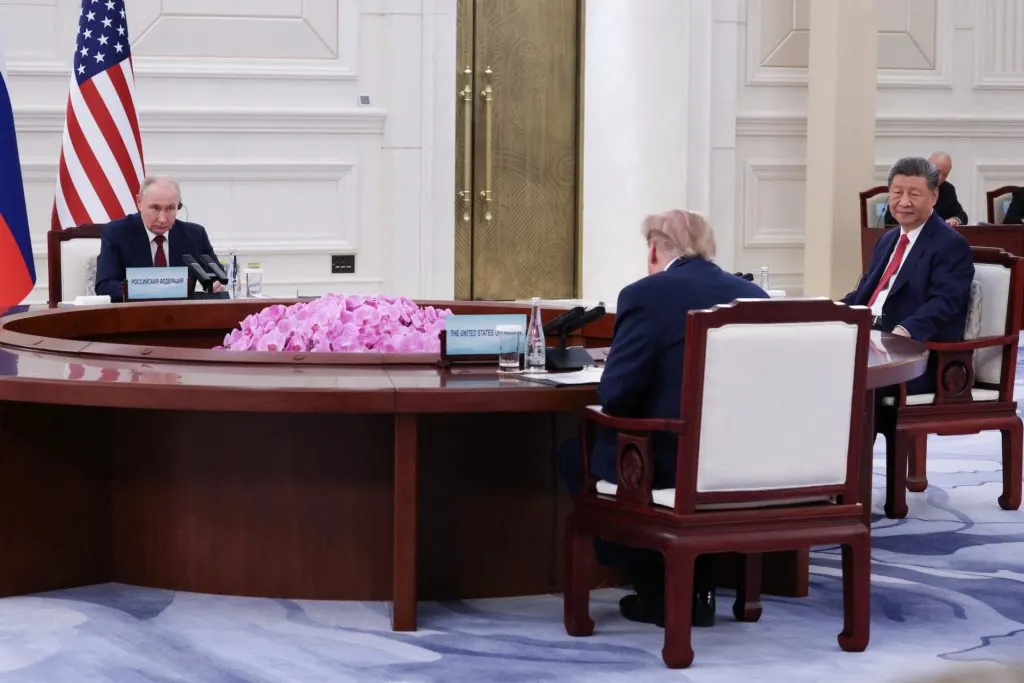
The newly added coverage does not change the central disagreement in the interview: Fred Fleitz called the summit successful, while Dennis Wilder questioned what the US had gained. Fleitz said Trump’s meeting with Xi and Putin showed he would remain active in foreign policy and could help lay groundwork for agreements, including an effort to end the war in Ukraine.
Wilder said leader-to-leader diplomacy can be useful but argued progress was extremely slow and raised issues he believed Trump had not addressed with Xi. These included Chinese support for Russia and Iran, the detention of Hong Kong activist Jimmy Lai and a US academic, and cyberattacks. Fleitz replied that sensitive matters are best raised privately; the supplied article text ends before he explains which US interests he believed had advanced.
- Sources
- 2
- Outlets
- 2
- Left · Centre · Right
- 0 · 2 · 0
In short
- Fleitz praised the summit as a step towards further diplomacy.
- Wilder questioned what the US gained and cited unresolved concerns.
- The supplied article ends before Fleitz’s full response.
How this story developed
- 3 hours ago The interview added discussion of claims of arms-control progress, while Fleitz said sensitive issues should be raised privately and expressed hope that the meeting would advance US interests.
- 3 hours ago Fred Fleitz called Trump’s summit with Xi Jinping and Vladimir Putin successful, while Dennis Wilder questioned what the US had gained and pointed to unresolved concerns over China’s support for Russia and Iran, detentions and cyberattacks.
Steelman: both sides, in good faith
The strongest fair case each way — we don't pick a winner.
The case for
Fleitz’s case is that a summit can serve US interests by keeping high-level dialogue open, reaffirming the president’s engagement in foreign policy and creating room to discuss ending the war in Ukraine. Sensitive disagreements may be more productively raised in private diplomacy, and progress on arms control could matter even if it is not immediately public.
The case against
Wilder’s case is that dialogue and relationship-building are valuable only if they help deliver concrete results. He questioned whether the meeting secured meaningful progress and argued that concerns including China’s support for Russia and Iran, the detention of Jimmy Lai and a US academic, and cyberattacks appeared to go unaddressed.
Explained simply
Donald Trump’s meetings with China’s Xi Jinping and Russia’s Vladimir Putin took place against disputes over trade, security and the war in Ukraine. The United States has sought to limit China’s support for Russia and Iran, while also pressing Beijing over Hong Kong, cyberattacks and the detention of people including activist Jimmy Lai and a US academic.
Fred Fleitz, a former US national security official, argued that meeting the leaders kept Trump engaged in foreign policy and might help prepare the ground for agreements. Dennis Wilder, who has also worked on US national security policy, said leader-to-leader talks can be useful but questioned how much progress they had produced. The stakes include the course of the Ukraine war and how the US manages its relations with China and Russia.
Coverage · 2 sources
Bias meters
From 2 rated sources.
Asia Geopolitics Government Politics World
Read the full article at the source →
Originally published by PBS NewsHour as “Experts assess what was addressed and overlooked at trilateral meeting in China”.