Contactless keyboard switches offer custom actuation but need specialist PCBs
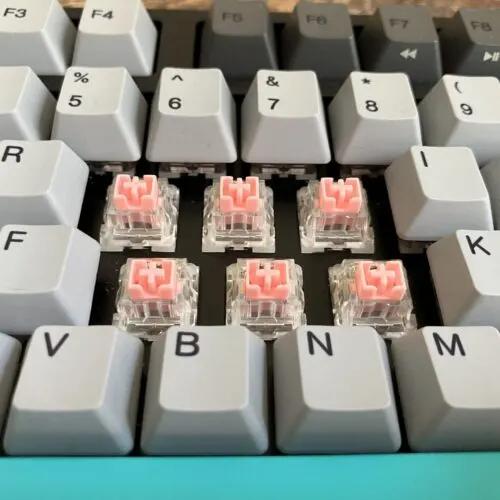
The mechanical keyboard market is shifting towards "contactless" switches using optical or Hall-effect technology instead of physical metal leaf contacts. These switches are becoming increasingly common and command higher prices than traditional mechanical keyboards. Manufacturers promise that contactless designs offer advantages including longer durability, resistance to oxidation and corrosion, and customizable actuation points that standard switches cannot provide.
However, contactless switches come with significant practical drawbacks. They require specific PCBs that are less widely available than those for standard mechanical switches, and prebuilt keyboards or hot-swappable options are harder to find. Meanwhile, newer traditional mechanical switches—some rated for 100 million keystrokes—now offer comparable longevity. The guide ultimately suggests that factors such as lubrication, force curve, and materials have a greater impact on a switch's feel than whether it operates mechanically or through light sensors.
- Contactless keyboard switches are becoming popular but cost more than traditional mechanical options
- Claimed advantages include longevity and customizable actuation, but compatibility is limited
- In practice, traditional switches with good specs can match or exceed contactless performance
New here? Start with this
Mechanical keyboards have traditionally used switches with physical metal contacts that complete circuits when pressed. A new technology is becoming more common, using optical sensors or Hall-effect technology instead of these metal contacts. These "contactless" switches are appearing in more keyboards, often at higher prices than traditional designs.
Manufacturers claim contactless switches offer advantages including greater durability, resistance to rust and corrosion, and customisable actuation—allowing users to adjust when a keypress registers without modifying the physical switch. These features appeal particularly to keyboard enthusiasts seeking precise control over their typing experience.
However, adopting contactless technology comes with practical drawbacks. These switches require specialist circuit boards that are less widely available than standard ones, making them harder to find in ready-made keyboards. Recent improvements to traditional mechanical switches mean they can now also achieve comparable durability, which raises questions about the real-world benefits of moving to contactless designs.
Both sides, in good faith
The strongest fair case each way — we don't pick a winner.
The case for
Contactless switches represent genuine technological advancement with objectively superior durability, resistance to oxidation that degrades traditional contacts over time, and the unique ability to customise actuation points without physical replacement—a capability traditional mechanisms cannot provide. As adoption grows, the ecosystem will mature and costs will decline, making these advantages accessible to mainstream users.
The case against
Whilst contactless switches offer theoretical benefits, the practical barriers are substantial and unjustified by current evidence. Specialised PCBs remain scarce, prebuilt options are limited, prices are significantly higher, and critically, modern traditional switches already deliver comparable 100-million-keystroke durability. When independent analysis shows that lubrication, force curve and materials matter far more than switching technology, users face real friction today for speculative gains tomorrow.
Read the full article at the source →
Originally published by Ars Technica as “Explaining Hall-effect, TMR, and other new types of “mechanical” switches”.