World news and discussion on TalkFuse.
Rival Bangladeshi factions clash in east London amid political tensions
Developed over time first seen 1 day ago
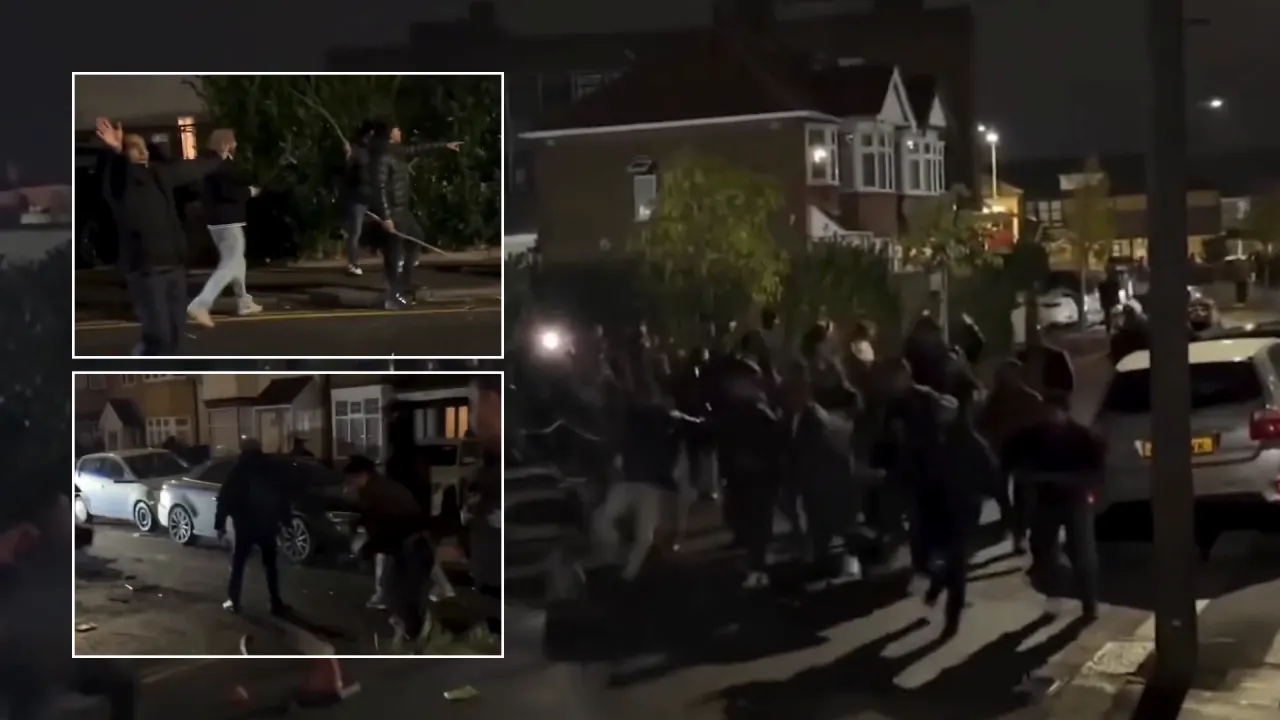
Around 50 supporters of rival Bangladeshi political factions clashed in Chadwell Heath, east London, on Monday evening, with some people suffering head and slash wounds. The fight began at a venue where National Citizen Party figure Nahid Islam was visiting, then spilled into nearby streets, bringing political tensions in Bangladesh into a British suburb.
Footage showed men throwing objects and attacking people near the venue, where metal barriers blocked the entrance. Islam and Bangladesh’s government blamed activists linked to the ousted Awami League; the government called for a UK investigation and for those responsible to face justice. Former prime minister Sheikh Hasina was ousted in 2024 after 15 years in power, and the article says the NCP’s alliance with Jamaat-e-Islami led 30 NCP members to resign over concerns about extremism. It also reports recent unrest in Bangladesh, including brawls, bomb blasts and arson, amid Hasina’s planned return from exile in India.
- Sources
- 2
- Outlets
- 2
- Left · Centre · Right
- 0 · 0 · 2
In short
- Around 50 men from rival Bangladeshi factions clashed in east London.
- The fight began at a venue hosting NCP figure Nahid Islam.
- Bangladesh’s government called for a UK investigation.
How this story developed
- 19 hours ago New details linked the clash to recent unrest across Bangladesh, including brawls, bomb blasts and arson, amid former prime minister Sheikh Hasina’s plans to return from exile in India.
- 1 day ago Further coverage said the government of Bangladesh blamed Awami League-linked activists and urged a UK investigation, while noting concerns among NCP members about the party’s alliance with Jamaat-e-Islami.
- 1 day ago Around 50 supporters of rival Bangladeshi factions clashed in Chadwell Heath, east London, leaving some with head and slash wounds after a visit by National Citizen Party figure Nahid Islam.
Full account
Around 50 men were involved in clashes in Chadwell Heath, east London, on Monday evening, according to reports. The confrontation began at or near Mayfair Venue on High Road, where visiting Bangladeshi politician Nahid Islam was due to speak, then spread into surrounding streets. Videos shared online appeared to show men throwing objects and striking at people near the venue’s entrance. Accounts describe sticks, bottles, bins, traffic cones and branches being used or thrown.
The dispute reflects political divisions in Bangladesh. Islam, a senior figure in the National Citizen Party, blamed the violence on people linked to the Awami League, the party of former prime minister Sheikh Hasina. Bangladesh’s foreign ministry also attributed the incident to elements associated with the ousted government, condemned the violence and called on UK authorities to investigate and prosecute those responsible. These are allegations by Islam and the Bangladeshi government; the reports provided do not establish who took part or what motivated each individual.
The reports give differing details about the consequences and circumstances. One says some people suffered head and slash wounds, while another reports that six people were taken to hospital. The latter also says police were not present during the clashes and that no arrests had been made; the first account does not provide an update on police attendance, arrests or injuries. It says Islam was inside the venue as disorder broke out, while the other describes supporters trying to prevent him from speaking.
The accounts also place the incident in different contexts. One outlines the political upheaval after Hasina was removed from office in 2024 and says the Awami League was later banned, while the other focuses on local residents, the absence of police and the limited attention it says the story received from national broadcasters. The material supplied does not include a police statement or an independent account establishing the sequence of events.
Where outlets differ
From the full account, which is AI-written from the sources:
The first report foregrounds the Bangladeshi government’s condemnation and its allegations about Awami League-linked participants; the second stresses police absence, the lack of arrests and what it presents as limited national media coverage.
The second report says six people were taken to hospital. The first describes head and slash wounds but gives no hospital figure.
The first places Islam inside the venue during the disorder; the second says supporters tried to stop him from speaking there. The reports do not fully reconcile these descriptions.
Steelman: both sides, in good faith
The strongest fair case each way — we don't pick a winner.
The case for
The clash merits a serious UK investigation and, where evidence supports it, prosecution: people should be protected from political violence regardless of where the dispute began. From this perspective, examining alleged links to Bangladeshi factions could help establish whether the attack was organised and prevent tensions from escalating in local communities.
The case against
The available account does not establish who initiated the violence or whether it was directed by any political faction, so assigning blame before an investigation risks importing Bangladesh’s political rivalries into British public debate. A careful response should focus on identifying individual offenders and evidence, while avoiding collective suspicion of Bangladeshi communities or treating the NCP’s alliance as proof of responsibility.
Explained simply
Bangladesh’s politics has been shaped by a long rivalry between the Awami League, led for many years by Sheikh Hasina, and other parties. Hasina was removed from power in 2024, and political tensions have continued since then.
The National Citizen Party (NCP) is a newer Bangladeshi political party, with Nahid Islam among its prominent figures. It has formed an alliance with Jamaat-e-Islami, a party with its own contested history, and some NCP members have raised concerns about the partnership.
Many people with Bangladeshi roots live in Britain, and political ties and disagreements can extend across borders. Clashes between supporters of rival groups in a British community can therefore raise questions about public safety and how UK authorities respond.
Coverage · 2 sources
Bias meters
From 2 rated sources.
- GB NewsRightRival Bangladeshi factions clash in east London amid political tensions
- Daily MailRightRICHARD LITTLEJOHN: There was a violent riot between rival Bangladeshi groups on the streets of London this week. It left locals cowering in their homes… but here in Two Tier Britain, it's like it never happened
Read the full article at the source →
Originally published by GB News as “Exposed: The sectarian Bangladeshi mobs waging war on Britain’s streets”.