World news and discussion on TalkFuse.
Exposing Anthony Fauci’s legacy of deceit is key to restoring trust in science
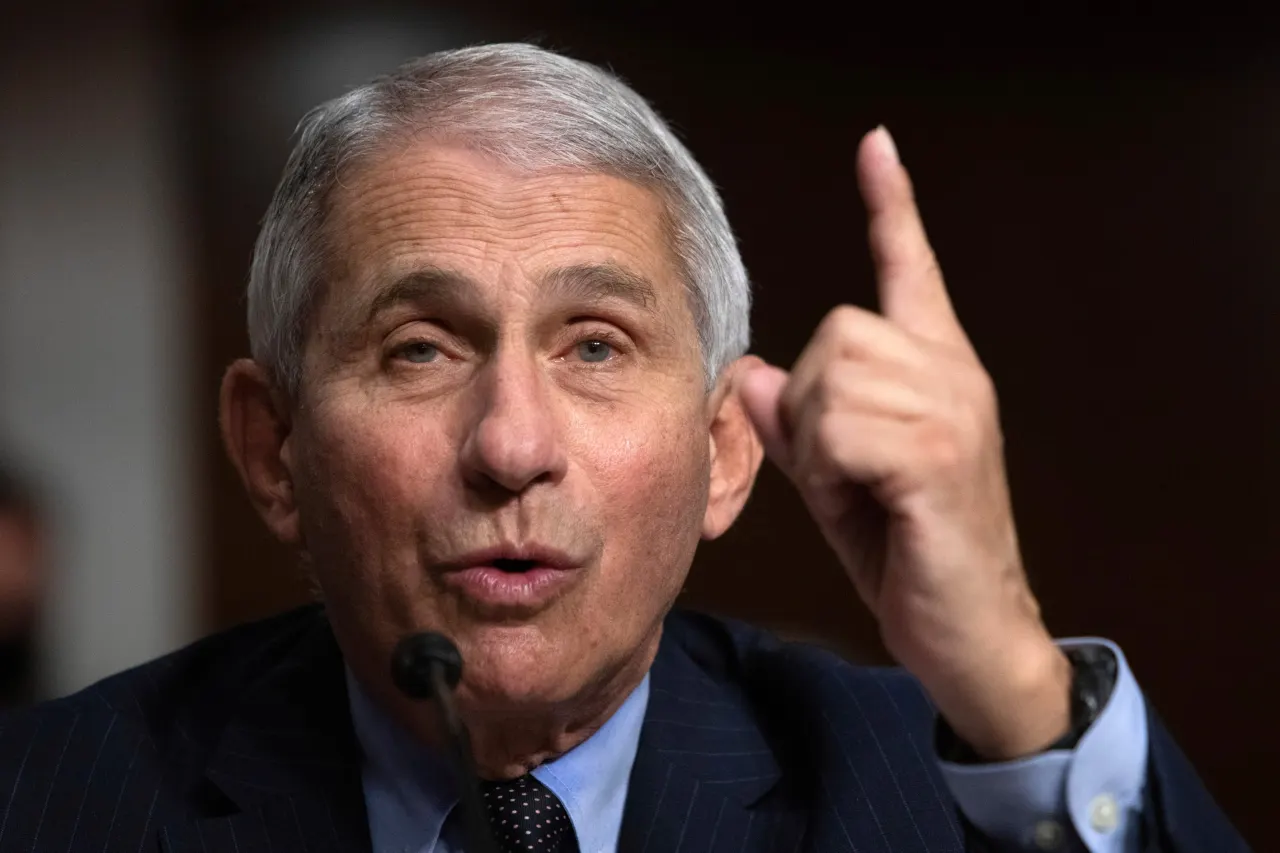
The opinion article argues that restoring trust in science requires medical institutions to examine Anthony Fauci and Francis Collins’s role in a 2020 paper rejecting the possibility that COVID-19 originated in a laboratory. It says emails later obtained by congressional researchers show Fauci reviewing drafts, despite subsequently saying he had not known about the paper before publication.
The article claims the paper’s authors set aside doubts about their conclusions amid concerns that discussing a lab origin could fuel anti-China prejudice. It says NIH chief Jay Bhattacharya has asked Nature Medicine to consider correcting or retracting the paper, and argues that unresolved questions about the pandemic’s origins could persist. These are the article’s allegations and opinions.
In short
- Jay Bhattacharya has asked Nature Medicine to review the 2020 paper.
- The article cites emails about Fauci and Collins’s involvement.
- It argues that scientific institutions need to address past decisions.
Steelman: both sides, in good faith
The strongest fair case each way — we don't pick a winner.
The case for
If Fauci helped shape a paper that dismissed a plausible origin hypothesis while later describing his role differently, examining the record and correcting any misleading account would serve transparency and help rebuild confidence in scientific institutions. A review of the paper could also clarify whether its conclusions and treatment of uncertainty met appropriate standards, without presuming what caused the pandemic.
The case against
The case for caution is that allegations about Fauci’s role and the paper’s handling of evidence should be assessed through a rigorous, independent review, rather than treated as proof of deceit. Revisiting a scientific paper because later officials dispute its conclusions could politicise research and erode trust too; any correction or retraction should rest on demonstrable flaws in the evidence or process.
Explained simply
Anthony Fauci led the US National Institute of Allergy and Infectious Diseases during the COVID-19 pandemic, while Francis Collins headed the National Institutes of Health, which oversees it. In 2020, researchers published a paper in Nature Medicine arguing that the virus was unlikely to have been made in a laboratory.
The debate over the paper concerns how firmly it ruled out a laboratory origin and what its authors knew when preparing it. Emails obtained by congressional researchers have prompted questions about Fauci’s involvement in reviewing drafts; the article also discusses concerns about stoking anti-China prejudice.
The pandemic’s origin remains contested, with scientific and public investigations examining possible explanations. How institutions handled evidence and communicated uncertainty matters to public confidence in health research and advice.