Science news and discussion on TalkFuse.
Extreme weather leaves gardeners hedging their bets
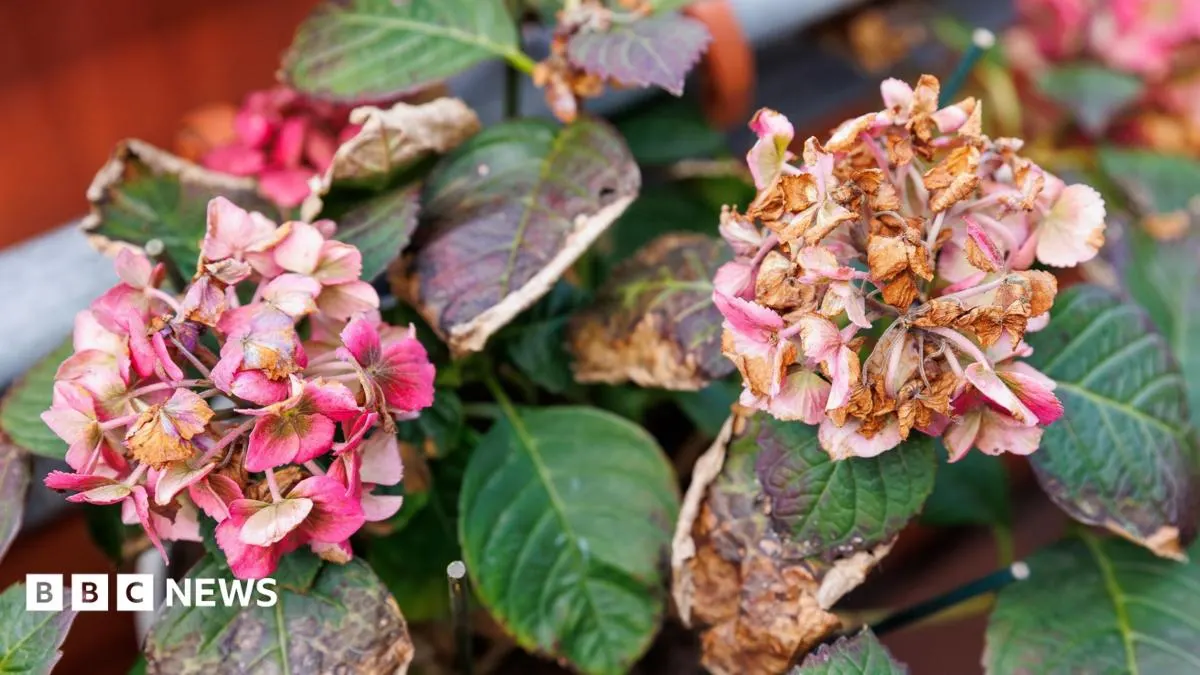
Gardeners in Sussex are changing their planting plans after record heat and severe drought damaged traditional plants, with some rhododendrons dying. They say a gradual shift towards a wider range of species could help gardens remain resilient as extreme weather becomes more common.
The gardeners are considering plants from North America, south-eastern Europe, Central Asia, South Korea and Japan. A further drought could harm mature trees, while choosing suitable replacements remains uncertain, so gardeners expect to experiment and accept that some plants will not survive.
In short
- Sussex gardens are adapting after severe drought and record heat.
- Gardeners are considering a wider range of plants from abroad.
- Future planting will involve gradual change and experimentation.
Explained simply
Gardens depend on plants suited to local conditions, including the amount of rain and the range of temperatures they can withstand. Rhododendrons, for example, are commonly grown in Sussex, but prolonged heat and dry soil can put them under stress.
Gardeners are looking at a broader mix of plants, including species from regions with hotter or drier climates. This does not guarantee they will thrive: local soil and weather vary, and established trees can also be vulnerable to drought.
The choices matter because gardens contain plants that may take years to grow, and replacing mature trees is difficult. Trying different species may help gardeners learn what can cope with changing conditions, though some choices may fail.