Exxon scientists questioned company-backed biofuels and carbon capture proposals
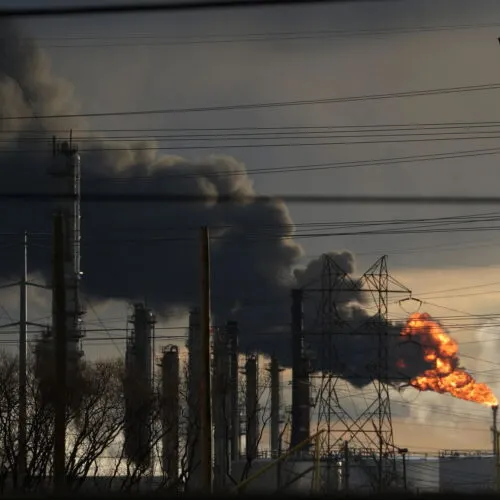
Newly disclosed court documents show that Exxon scientists privately questioned climate solutions the company promoted, including biofuels and carbon capture. The records add detail to decades of internal discussions about climate change and come as courts consider whether lawsuits seeking to hold oil companies accountable can proceed.
An internal 1988 memo warned that climate action could have “substantial negative impacts” on Exxon. The Massachusetts case, filed in 2019, alleges the company misled consumers and investors about its climate efforts; Exxon denies misleading the public and calls the legal claims meritless. US climate-related costs exceeded $100 billion in four of the past five years, while Exxon reported nearly $19 billion in earnings in the first half of the year.
- Court filings reveal new details about Exxon’s internal climate discussions.
- Exxon scientists questioned promoted biofuel and carbon capture claims.
- The Massachusetts lawsuit alleges the company misled consumers and investors.
New here? Start with this
Exxon is one of the world's largest oil and gas companies. In recent years, the firm has publicly promoted various approaches to address climate change, including biofuels (fuels made from plants) and carbon capture technology, which aims to remove carbon dioxide from the atmosphere.
A lawsuit filed in Massachusetts in 2019 alleges that Exxon misled consumers and investors about its climate efforts. The company denies making any misleading statements about its approach to climate change.
The case raises questions about corporate accountability and whether companies can be held legally responsible if their public statements about climate efforts do not match their private assessments. This is particularly significant as courts determine what obligations companies have regarding transparency about environmental matters.
Both sides, in good faith
The strongest fair case each way — we don't pick a winner.
The case for
The newly disclosed documents demonstrate that Exxon's own scientists privately harboured substantial doubts about the climate solutions the company publicly championed to consumers and investors. When a corporation promotes technological fixes whilst its internal researchers question their effectiveness, this creates a significant credibility gap that arguably constitutes misleading the public. The 1988 memo's explicit concern about climate action's impact on Exxon's business further suggests the company understood the climate crisis but may have prioritised financial interests over transparent communication.
The case against
Robust internal scientific discussion about technical challenges is intrinsic to research and development, not evidence of deception. Scientists disagreeing about which solutions will prove most effective reflects genuine uncertainty about emerging technologies rather than hidden knowledge that solutions don't work. Companies naturally explore multiple pathways and challenge their own approaches—this is how progress occurs. Merely harbouring financial incentives or exploring imperfect solutions does not demonstrate deliberate falsehood; proving intentional misleading requires evidence that the company knowingly disseminated false information, a matter properly decided by the courts.
Business Climate Companies Research Science
Read the full article at the source →
Originally published by Ars Technica as “ExxonMobil’s own scientists doubted climate fixes the company hyped”.