Politics news and discussion on TalkFuse.
F1 in Madrid: Like Monaco but twice as long and none of the glamour
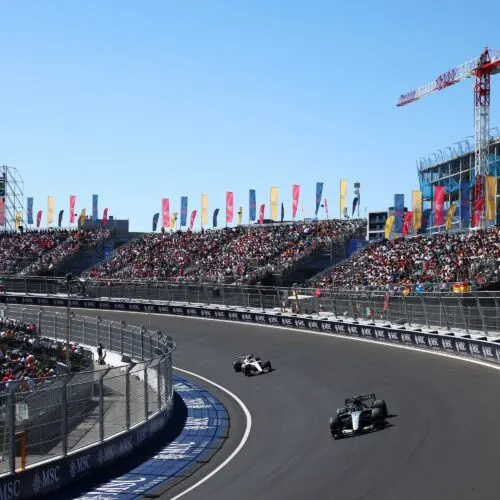
Formula 1's new Madrid street circuit, the "Madring," hosted its debut race this past weekend but produced a dull, processional Grand Prix, in sharp contrast to an exciting Italian Grand Prix at Monza the week before. Despite hopes that the track's banked corner would generate IndyCar-style overtaking, seasoned F1 drivers avoided risks, and no real battles materialised, raising questions about whether the new venue delivers the racing spectacle organisers intended.
McLaren's Lando Norris looked set to win after topping qualifying and leading from the start, but a poorly timed virtual safety car (triggered by Lance Stroll's retirement) and a botched pit stop lasting over seven seconds—three times a normal 2026 stop—dropped him to fifth. Rivals Kimi Antonelli and Max Verstappen capitalised by pitting under the VSC to gain time. This followed Antonelli's dramatic Italian Grand Prix win at Monza, where he became the first Italian driver to win his home race in 60 years after starting 19th.
In short
- Madrid's new "Madring" circuit produced a dull, processional F1 debut race.
- Lando Norris lost a likely win to a mistimed VSC and slow pit stop.
- Contrasts sharply with Antonelli's thrilling Italian GP win at Monza.
Steelman: both sides, in good faith
The strongest fair case each way — we don't pick a winner.
The case for
Madrid’s debut offers a new setting for Formula 1 and a chance to develop a distinctive event; one quiet race is not enough to judge the circuit’s long-term potential. The banked corner and street layout may yet create opportunities as drivers learn where they can take risks, while Norris’s lost places chiefly followed a safety-car timing and a pit-stop error rather than the track alone.
The case against
The debut raises a fair concern that the circuit may not deliver the close racing its design promised: drivers avoided risks at the banked corner, and few battles emerged. Compared with Monza’s dramatic race the week before, a processional event could make Madrid’s longer street layout feel less compelling, especially if future races offer similarly few overtaking chances.
Explained simply
Formula 1 is a championship in which drivers race for their teams over a season of grands prix. Street circuits use roads built or adapted for racing, so they can be narrow and difficult to pass on; Monaco is the best-known example.
The Madring is Madrid’s new street circuit, joining a calendar that also includes established tracks such as Monza. Organisers hoped its banked corner would create more chances to overtake, but drivers still need to judge the risks of passing at speed.
How easy it is to pass matters because track position, pit stops and safety car periods can shape a race. The contrast between a processional event and an unpredictable one affects what fans experience and how a circuit is judged as a venue for Formula 1.
Geopolitics Motorsport Politics Sport