World news and discussion on TalkFuse.
Cop31 deadlock renews calls to reform UN climate summit rules
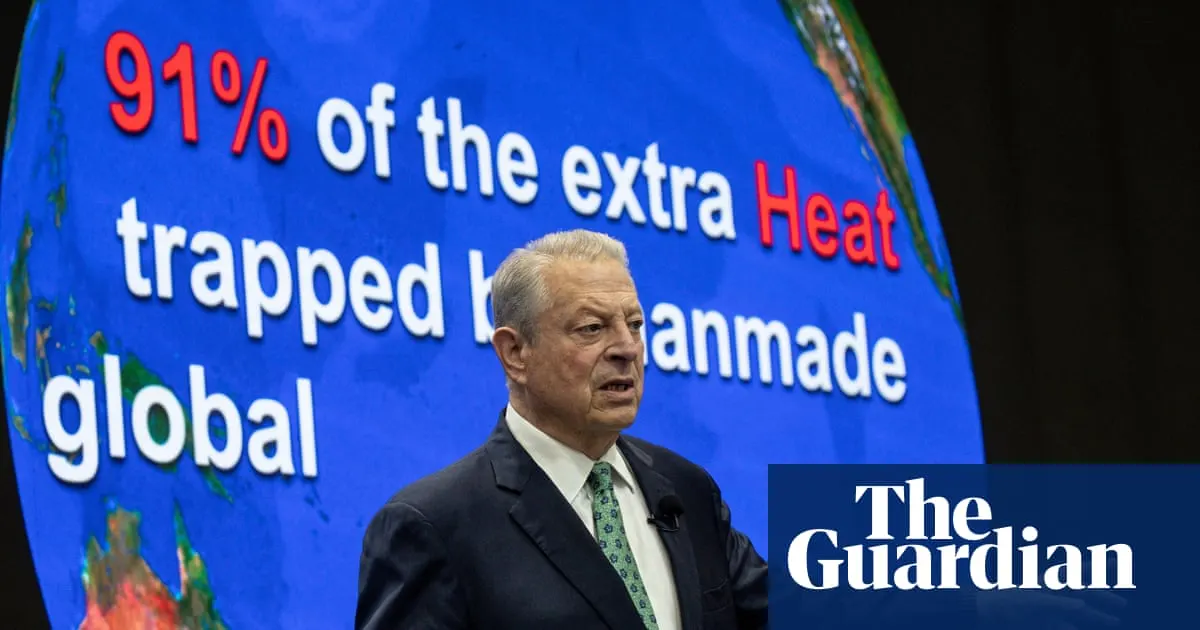
Cop31 ended without agreement on a central climate pact after countries failed to reach consensus at the final plenary in Antalya. The breakdown has renewed calls from climate leaders and experts to reform how UN climate summits make decisions, as critics say the current rules can let a small number of countries block action.
The draft pact did not mention fossil fuels, prompting anger among delegates who said it fell short of the climate crisis. Al Gore called for a process reflecting the will of the majority, while Australian climate minister Chris Bowen highlighted the difficulty of changing a system that itself requires consensus. UN climate chief Simon Stiell defended consensus for helping secure the 2015 Paris agreement, but backed a review of possible reforms; proposals include majority voting and shifting negotiations towards accountability for commitments.
In short
- Cop31 failed to agree a key climate pact in Antalya.
- Critics say consensus rules allow a few countries to block progress.
- UN climate chief supports a review of possible reforms.
Steelman: both sides, in good faith
The strongest fair case each way — we don't pick a winner.
The case for
The deadlock suggests consensus rules can allow a small number of governments to prevent an agreement supported by many, leaving a pact that omits fossil fuels despite the urgency of cutting emissions. Majority voting or a stronger focus on accountability could help summits reflect broader support and deliver clearer progress. Critics of reform argue that decision-making rules should not make inaction easy when climate risks affect countries worldwide.
The case against
Consensus gives every country a voice and can produce commitments that governments are more willing to accept and carry out. The Paris agreement is cited as evidence that this process can secure broad participation, while majority voting could leave dissenting countries less invested in decisions that affect them. Reform may be worth reviewing, but changing the rules through consensus is difficult precisely because the system is designed to require broad agreement.
Explained simply
UN climate summits bring together nearly every country to negotiate shared action on climate change. Their decisions are usually made by consensus, meaning governments must agree on the outcome; this approach helped produce the 2015 Paris Agreement, under which countries set plans to limit global warming.
The main players are national governments, which negotiate the wording, and the UN climate chief, who oversees the process. Climate campaigners and experts have called for changes such as majority voting or more focus on whether countries meet their existing commitments.
The rules matter because they shape what countries can agree to do together. Changing them could make decisions easier to reach, but governments would need to agree on how the decision-making system itself should work.
Americas Climate Geopolitics Government Politics Research Science World
Read the full article at the source →
Originally published by The Guardian as “Failure of Cop31 prompts calls for urgent reform of UN climate summits”.