World news and discussion on TalkFuse.
‘Failures, incompetence, broken promises’: Deutsche Bank exposed in major leak
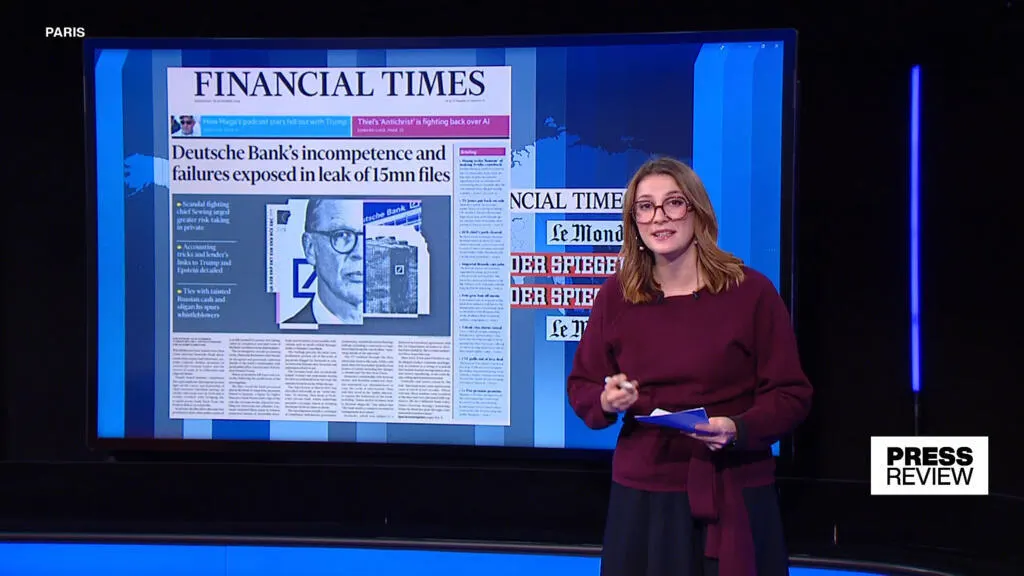
A leak of 15 million Deutsche Bank documents, examined by the Financial Times with international media partners, has renewed scrutiny of the bank’s record and chief executive Christian Sewing’s promises to end scandals. The reporting alleges systemic failures and double standards, and sheds further light on the bank’s dealings with politically exposed and controversial clients.
The documents add to a long history of allegations: since the early 2000s, Deutsche Bank has faced at least 27 raids and more than €20 billion in fines and sanctions. Der Spiegel reports that the bank handled more than $500 million in transactions for Jeffrey Epstein from 2013 to 2019, despite knowing of his 2008 conviction, and stopped working with him three days after his arrest. Le Monde also reports that an internal inquiry found a direct link between a Trump company and alleged money laundering in Azerbaijan, but the bank maintained the relationship while tightening confidentiality.
In short
- A 15 million document leak puts Deutsche Bank’s past under scrutiny.
- Reports detail ties to Jeffrey Epstein and Donald Trump’s business.
- The bank had faced at least 27 raids and over €20 billion in penalties.
Steelman: both sides, in good faith
The strongest fair case each way — we don't pick a winner.
The case for
The leak may support the view that Deutsche Bank’s problems reflect persistent weaknesses in oversight and accountability, rather than isolated past mistakes. If the bank continued handling business for controversial clients despite known risks and internal warnings, critics can reasonably argue that its promises to reform have not been matched by practice, and that stronger scrutiny is warranted.
The case against
The reported documents and allegations deserve scrutiny, but they do not by themselves establish that every disputed transaction was unlawful or that senior leaders knowingly approved misconduct. A bank may argue that it maintained client relationships under applicable rules at the time, while taking steps to manage identified risks; the distinction between poor judgement, control failures and deliberate wrongdoing matters for a fair assessment.
Explained simply
Deutsche Bank is one of Germany’s largest banks, serving businesses, governments and individual customers around the world. Banks are expected to check who their clients are and where money comes from, especially when dealing with people or organisations that may pose a higher risk.
The bank has faced repeated investigations and penalties since the early 2000s, involving alleged failures in areas such as money laundering controls. Christian Sewing became chief executive in 2018 and pledged to improve the bank’s conduct and controls.
The reports draw on leaked internal records about the bank’s dealings with controversial clients, including Jeffrey Epstein and a company linked to Donald Trump. They matter because they raise questions about how the bank handled warning signs and whether its promised changes were reflected in its decisions.