Video games news, releases, esports and culture — all the biggest gaming stories in one place.
Fallout: New Vegas level scaling is designed to teach players that “this is not actually Fallout 3,” Josh Sawyer says: “You’re going to get your ass handed to you if you’re not careful”
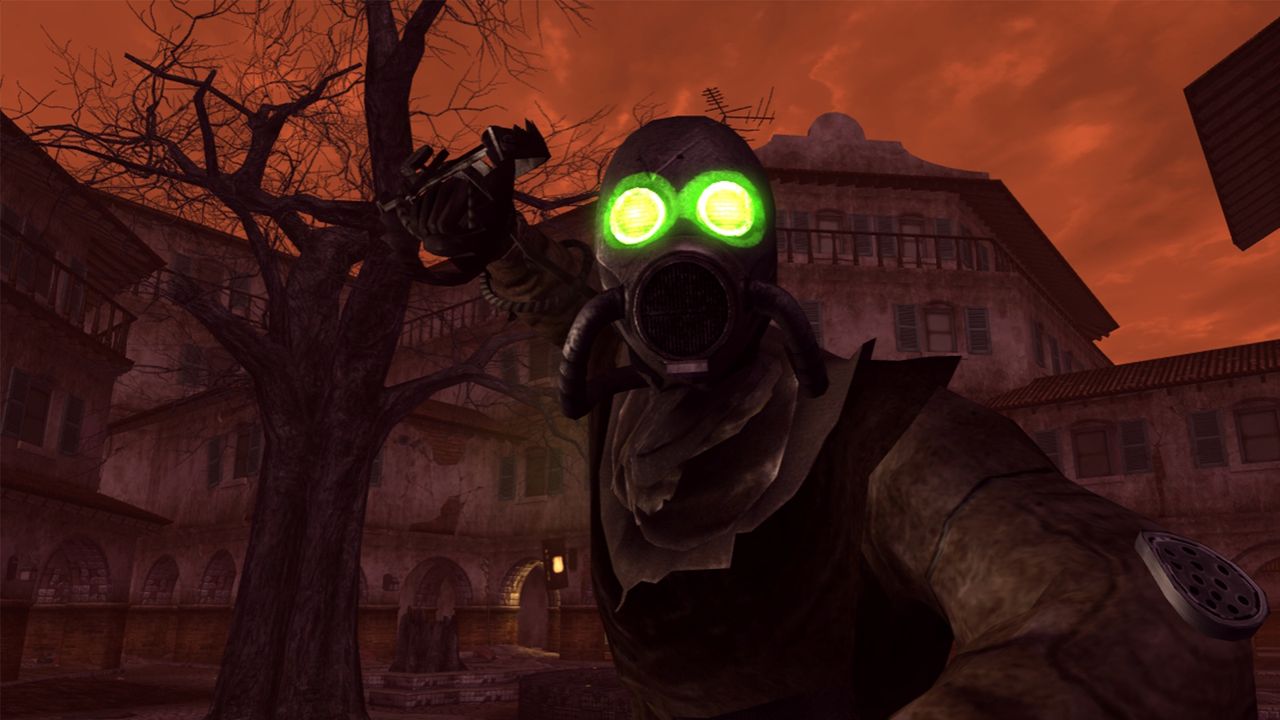
In a discussion about the design of Obsidian Entertainment's 2010 role-playing game Fallout: New Vegas, director Josh Sawyer has explained that the game's harsher level scaling was a deliberate choice intended to signal to players that it was a different experience from Bethesda's Fallout 3. According to Sawyer, the tougher difficulty was meant to teach players early on that they could not simply wander anywhere and expect to survive, warning that "you're going to get your ass handed to you if you're not careful."
Sawyer's comments underline how New Vegas diverged from its predecessor in tone and mechanics, using enemy placement and scaling to shape where players could safely travel and to reinforce a more punishing, choice-driven world. The remarks reflect the developer's intent that players approach the game with more caution than they might have in Fallout 3, treating combat encounters as a lesson in the game's distinct design philosophy rather than an open invitation to explore freely.
Explained simply
Fallout 3, released by Bethesda in 2008, was a popular role-playing game set in a post-apocalyptic landscape. Three years later, Obsidian Entertainment developed Fallout: New Vegas as a spiritual successor using the same game engine and setting, though it was a separate project with its own creative vision.
The two games are often compared by players and developers because, despite their similarities, they offer notably different experiences. Understanding how game designers deliberately shape difficulty and challenge is important because it directly affects how players experience the story and world.
Obsidian's New Vegas became known to fans for diverging from Fallout 3 in various ways, and these differences stemmed from deliberate creative choices rather than accident. When creators discuss what they were trying to achieve with design decisions, it reveals their design philosophy and what kind of experience they intended to create.