‘Fallout’s Success Makes This Sci-Fi Franchise Impossible To Ignore
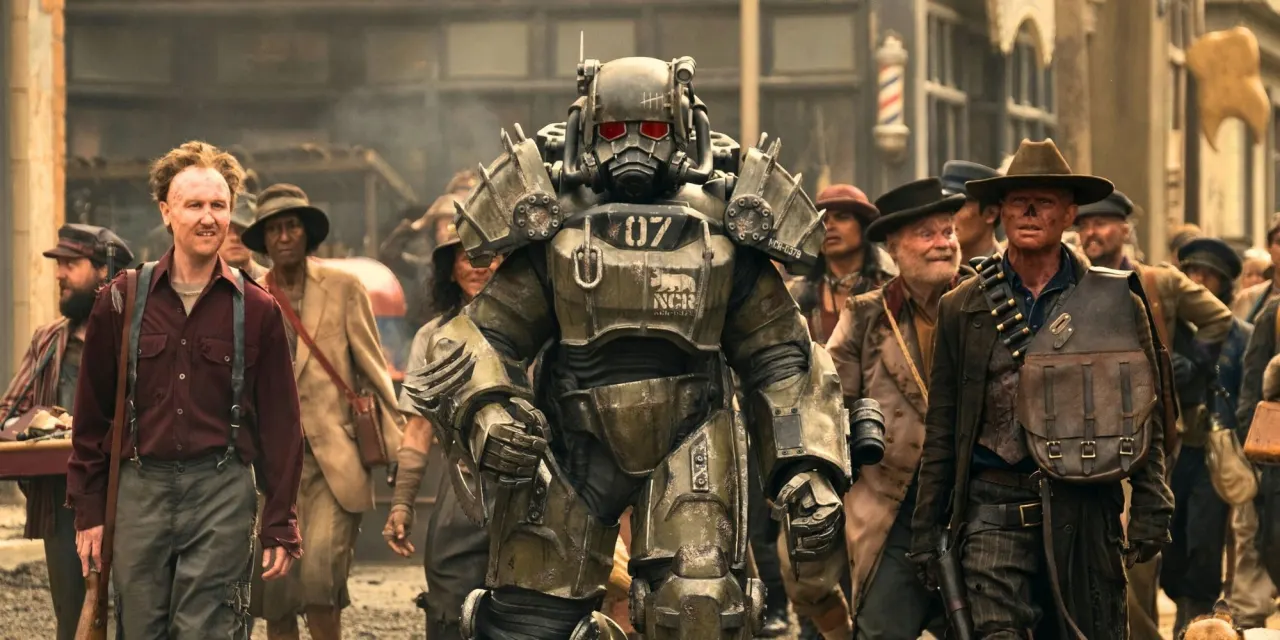
The article argues that the success of recent video game adaptations, especially *Fallout*, makes a live-action *Doom* series an appealing next step for Hollywood. It says the long-running sci-fi shooter has a rich enough story for television and could avoid the problems of its two earlier film adaptations.
First released by id Software in 1993, *Doom* follows a marine fighting demons after experiments open portals to Hell on Mars. The 2016 revival and its sequels expanded the protagonist’s story, turning Doomguy into the Doom Slayer; the article suggests a series should draw on that lore while keeping him armoured, stoic and sparing with words, much like *The Mandalorian*.
- *Fallout*’s success strengthens the case for a *Doom* TV series.
- The games’ expanded lore could provide its story.
- The Doom Slayer should remain armoured and largely silent.
New here? Start with this
Doom is a science-fiction video game series first released in 1993 by id Software. Its story centres on a marine on Mars, where experiments open a route to Hell and unleash demons.
Later games developed the main character, first known as Doomguy and later as the Doom Slayer. The series has also been adapted into two films, while its newer games have added more detail to its setting and characters.
Both sides, in good faith
The strongest fair case each way — we don't pick a winner.
The case for
A live-action Doom series could build on the franchise’s expanded lore and distinctive setting, giving viewers a sustained story that the earlier films had little room to develop. Fallout’s success suggests there is an audience for adaptations that preserve a game’s identity while shaping its world into television, and Doom’s armoured, taciturn hero could offer a clear visual centre.
The case against
Fallout’s success does not guarantee that Doom’s appeal will translate to television: its relentless combat and largely silent protagonist may be harder to sustain as a character-led series. Expanding the lore could also dilute the spare, intense experience that defines the games, while the earlier film adaptations show that the premise alone does not ensure a compelling adaptation.