Family demands answers after beloved son was found dead in hospital bathroom two weeks after he was discharged then vanished
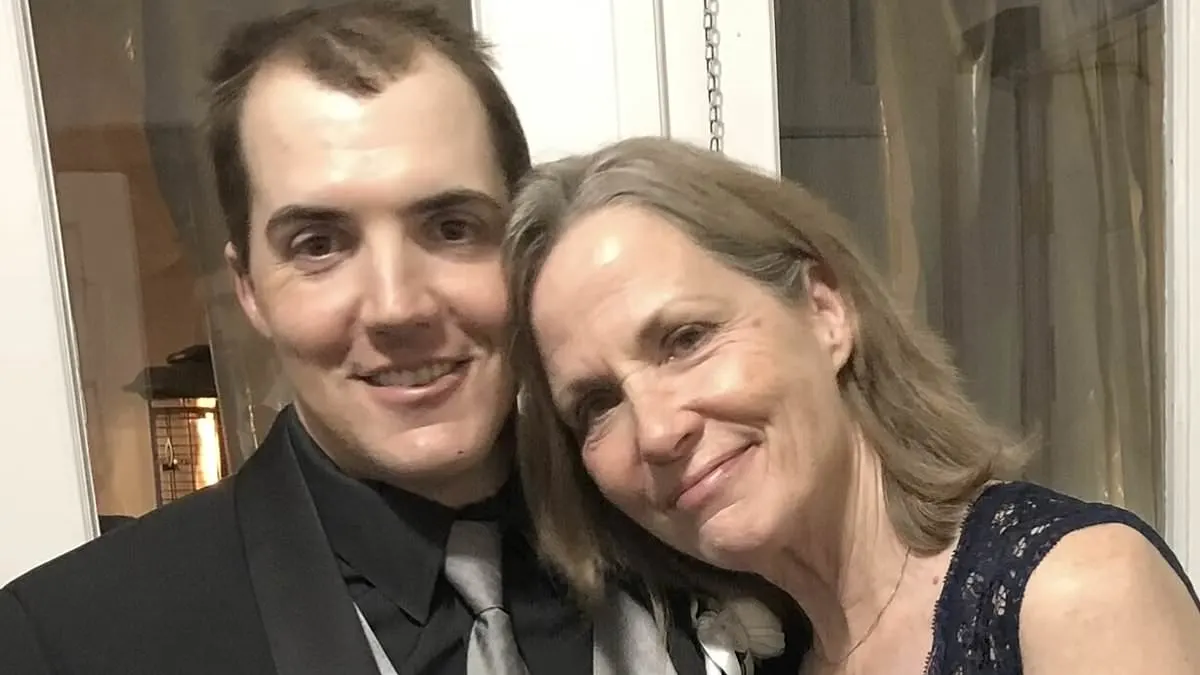
Ryan Edelen’s family is seeking answers after he was found dead in a locked bathroom at HCA HealthONE Aurora in Colorado on 21 August 2025, two weeks after being discharged from its emergency department. His death has raised questions about the hospital’s discharge decision and how a person could remain undiscovered in a busy area for so long.
Edelen was brought to hospital on 7 August after being found unresponsive and without a pulse; a bystander performed CPR and he received naloxone. Medical notes reportedly said he was at risk of seizures and needed further evaluation, but he was discharged without a prescription less than three hours after arriving. The coroner attributed his death to mixed methamphetamine and methadone toxicity; the hospital said it assisted police with their investigation.
In short
- Ryan Edelen was discharged from hospital and found dead there two weeks later.
- The coroner attributed his death to methamphetamine and methadone toxicity.
- His family is questioning the discharge and the delay in finding him.
Steelman: both sides, in good faith
The strongest fair case each way — we don't pick a winner.
The case for
The family can reasonably seek a clear account of whether Ryan’s condition and reported seizure risk were adequately assessed before discharge, and whether appropriate follow-up or safety measures were considered. His later death in a locked hospital bathroom also raises legitimate questions about how long he was there without being found and whether the hospital’s procedures were sufficient to detect someone in distress.
The case against
The hospital’s discharge decision should be judged on the information available at the time, including its clinical assessment, rather than solely in light of the later outcome. The coroner attributed the death to mixed methamphetamine and methadone toxicity, and the available account does not establish that the hospital caused his death or that its staff knew he remained on the premises; a fair assessment requires the investigation’s findings.
Explained simply
Emergency departments assess and treat people who need urgent medical care, then decide whether they need to stay in hospital or can leave. Discharge decisions are based on a patient’s condition at the time and the care or follow-up they may need.
Naloxone can reverse an opioid overdose, but someone who has received it may still need medical assessment. Methadone is an opioid medicine, while methamphetamine is a stimulant; taking drugs together can have serious effects.
Hospitals also have a duty to keep track of patients who remain on their premises. In this case, the reported discharge notes and the time Edelen’s body went undiscovered have prompted questions about both his care and hospital procedures.