Famous beach now requires visitors to reserve spots weeks ahead and pay fees
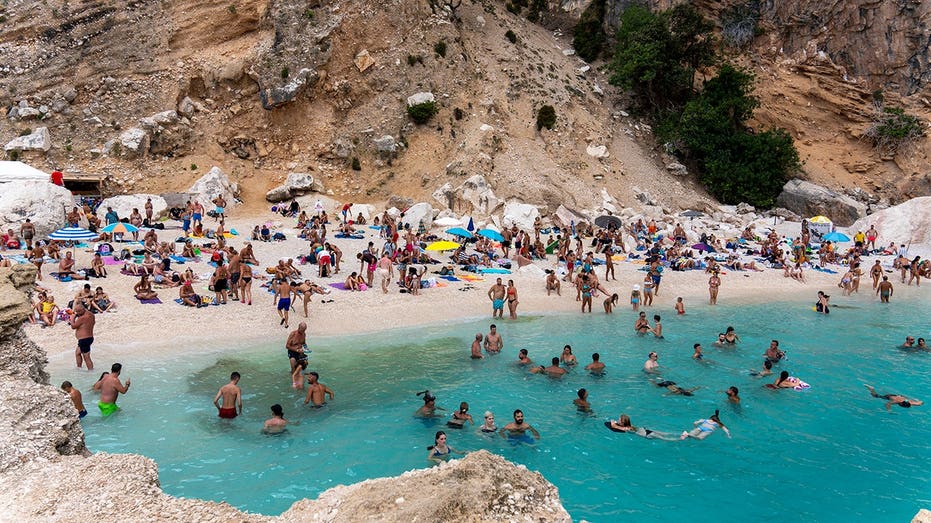
Several of Italy’s best-known beaches are introducing reservation systems, QR codes, visitor limits and entry fees in an effort to control overcrowding. The measures mean travellers may need to plan beach visits weeks in advance, prompting debate over whether access to public coastal destinations is becoming too restricted.
According to Fodor’s Travel Guide, the changes affect several popular beaches, replacing the traditional first-come, first-served model with daily caps and pre-booked admission. Supporters argue that the controls can protect fragile environments and improve safety, while critics may see them as an added cost and barrier for spontaneous visitors.
In short
- Popular Italian beaches increasingly require advance reservations.
- QR codes, daily caps and fees aim to curb overcrowding.
- Visitors may need to plan beach days weeks ahead.
Steelman: both sides, in good faith
The strongest fair case each way — we don't pick a winner.
The case for
Supporters argue that reservations, visitor caps and modest fees can reduce overcrowding, protect fragile coastal habitats and make busy beaches safer and more manageable. Booking systems can also help local authorities plan services and ensure the sites remain enjoyable and accessible over time.
The case against
Critics argue that advance reservations and fees can make public beaches harder to reach, especially for people with limited budgets or visitors unable to plan weeks ahead. They may also weaken the tradition of open, spontaneous access to the coast, while raising questions about who should control entry to public places.
Explained simply
Several of Italy's most popular beaches are changing how they manage visitors by requiring advance bookings and charging entry fees. Instead of arriving whenever you wish, tourists now face daily limits and must reserve their spot ahead of time. The moves aim to tackle severe overcrowding that has become a problem at these beloved seaside destinations.
These restrictions represent a significant shift from how beaches have traditionally worked, with the first-come, first-served approach now replaced by controlled numbers and online booking systems. The changes affect some of the country's best-known coastal spots that typically draw large numbers of international and domestic visitors.
The introduction of these systems has sparked debate about whether public beaches remain genuinely accessible to ordinary visitors. Supporters believe the controls can protect the natural environment and improve visitor safety, but others worry that advance fees and booking requirements create barriers for spontaneous trips and may exclude those with less ability to plan ahead or pay extra costs.