Entertainment news and discussion on TalkFuse.
Fan makes an actual port of Half-Life 1 for the PlayStation 1, and now I see why Valve never did it
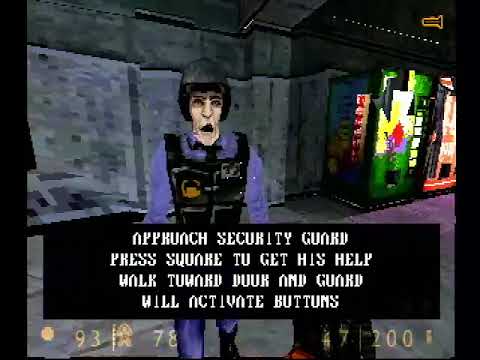
A developer at Bonnie Studios has successfully created a functional port of Half-Life 1 for the original PlayStation, building an entirely new game engine and graphics renderer in Rust rather than relying on emulation software. This achievement represents a genuine technical accomplishment in translating a PC-native title to hardware from an entirely different generation.
However, the port requires substantial sacrifices in visual fidelity and performance, which explains Valve's historical decision not to pursue such a conversion. The developer plans to release the underlying source code publicly unless Valve objects within the coming month, though the company has not officially endorsed the project. Industry observers believe Valve is unlikely to block the release given that the company shows no current interest in either the PlayStation or reviving the Half-Life franchise.
In short
- Developer Bonnie Studios created a working Half-Life 1 port for PlayStation 1 using a custom Rust renderer and engine, not emulation
- The port runs poorly with severe visual downgrades, revealing why Valve never attempted this conversion during the PS1 era
Steelman: both sides, in good faith
The strongest fair case each way — we don't pick a winner.
The case for
This release represents genuine technical innovation and transformation that benefits gaming history and preservation. Valve has shown no commercial or creative interest in Half-Life or original PlayStation hardware for decades, so releasing the source code would not interfere with any legitimate business interest. The developer's offer to allow Valve to object demonstrates good faith, and sharing such work enriches the community's technical knowledge and cultural heritage without harming the original rights holder's actual interests.
The case against
Valve retains the intellectual property rights to Half-Life regardless of their current commercial interest, and respecting creators' IP rights is a fundamental principle in protecting artistic work. The appropriate standard is obtaining explicit permission before releasing derivative works, not merely offering the opportunity to object afterwards. Establishing a precedent where fan projects release without consent places the burden on IP holders to actively police their properties rather than respecting permission as the baseline expectation.
Explained simply
Half-Life is a first-person science-fiction game released for PCs in 1998 by Valve. Players take the role of scientist Gordon Freeman, caught up in an emergency at a research facility after an experiment goes wrong. It became known for telling its story through the player’s actions rather than separate cut-scenes.
The original PlayStation was a home console released in the 1990s, with different and more limited hardware than the PCs Half-Life was designed for. Moving a game between such systems can mean rebuilding how it handles graphics and gameplay, as well as reducing detail or performance to fit the console’s capabilities. Valve is the company behind Half-Life; a fan-made conversion is separate from an official release.