Entertainment news and discussion on TalkFuse.
“Fantastic influence”: The 1960s guitarist Alex Lifeson called too good to understand
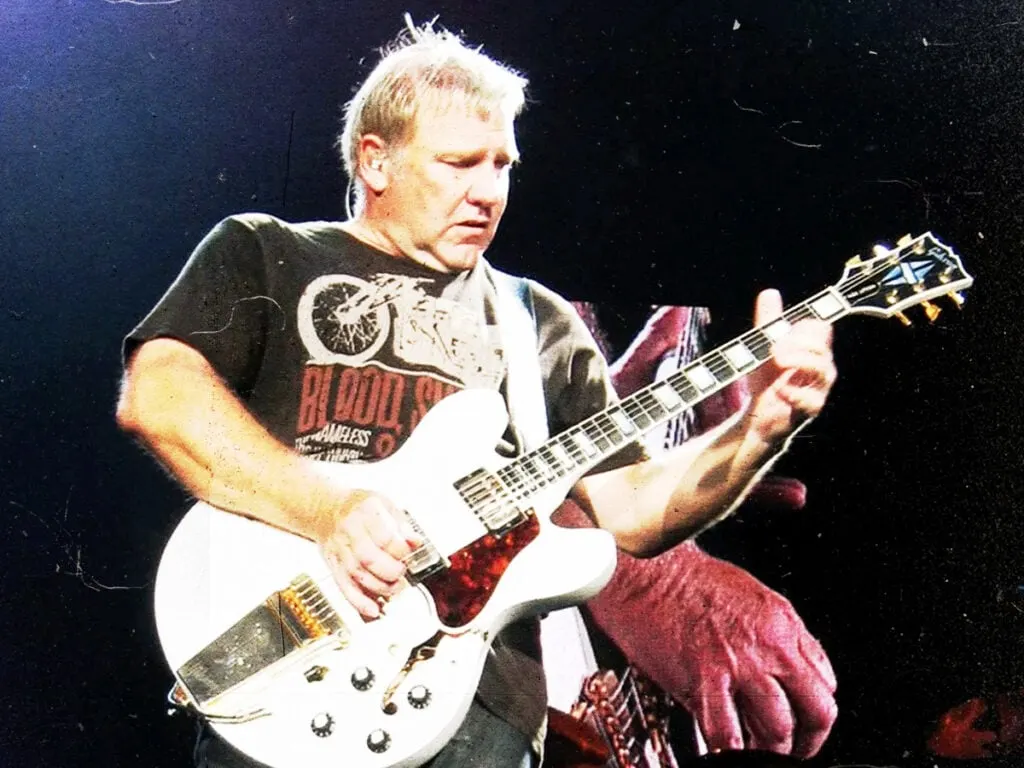
Rush guitarist Alex Lifeson is being highlighted for his ability to blend technical complexity with genuine emotion, a balance many prog-rock and psychedelic musicians have struggled to achieve. While the genre often prioritises experimentation, sometimes at the expense of feeling, Lifeson's playing is cited as an example of how intricate musicianship and heartfelt expression can coexist, with his solo on Rush's "Limelight" offered as a prime example.
Lifeson has described the "Limelight" solo, which explores themes of loneliness and isolation, as deeply personal and his favourite to perform live, saying he must "feel" it each time to avoid it sounding stiff. He credits Jimi Hendrix as a major influence, calling him "too beyond" and "too unique" to imitate directly, though hugely influential on his approach to the guitar. The piece also notes Hendrix's own scepticism towards much of psychedelic rock, and Roger Waters' mixed feelings about Pink Floyd's debut album, as context for how rare this balance of complexity and emotion truly is.
In short
- Alex Lifeson praised for blending prog complexity with genuine emotion
- His "Limelight" solo reflects themes of loneliness and isolation
- Lifeson cites Jimi Hendrix as a major, if inimitable, influence
Explained simply
Alex Lifeson is the guitarist in the Canadian rock band Rush, known for music with elaborate arrangements and demanding instrumental parts. That style is often called progressive rock, or prog rock.
Jimi Hendrix, an influential guitarist whose experimental sound helped shape later rock music, was one of Lifeson’s inspirations. Lifeson has said Hendrix was too distinctive to copy directly.
Rush’s “Limelight” is a song about the strain of living in the public eye. Its guitar solo is a useful example of how a technically intricate part can also express a personal feeling.