Far-left activist conference at teachers union HQ raises classroom concerns
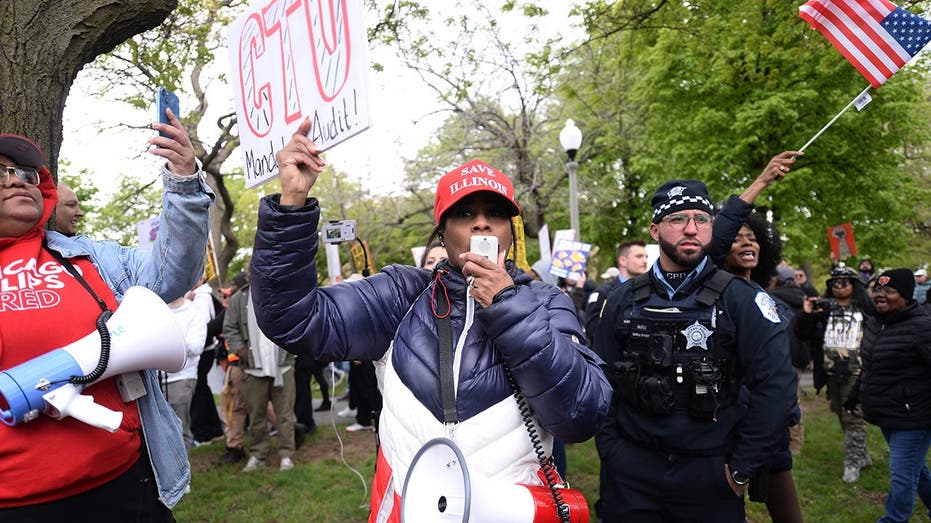
A two-day conference held at the Chicago Teachers Union's headquarters, featuring socialist, anti-war and pro-Palestinian activists, has drawn criticism from an education advocate who argues the event's focus is disconnected from classroom priorities. The gathering has renewed debate over the role of teachers' unions in political activism and whether such involvement detracts from core educational responsibilities.
Josh Weiner, Chief Advocacy Officer at NAVI, told Fox News Digital that the conference raised concerns about political activism within education institutions. According to the report, the event included workshops covering protest tactics, media strategy, engaging with port workers, and tracking arms shipments, prompting questions about the union's priorities and use of its headquarters.
- Chicago Teachers Union HQ hosted a socialist, anti-war, pro-Palestinian conference.
- Education advocate Josh Weiner criticised the event's focus.
- Workshops covered protest tactics, media strategy and tracking weapons shipments.
Both sides, in good faith
The strongest fair case each way — we don't pick a winner.
The case for
Supporters would argue that a teachers' union, like any private organisation, has the right to rent its own premises to political and advocacy groups of its choosing, and that hosting a conference does not equate to formally endorsing every symbolic gesture made within it, such as room names. They would point to freedom of association and expression as core union values, noting that teachers themselves are citizens entitled to engage with a wide range of political ideas, including socialism and Palestinian solidarity movements, without those activities automatically compromising their professional conduct in the classroom.
The case against
Critics would argue that a union entrusted with representing educators and, by extension, influencing the education of children ought to exercise greater care about which causes it visibly associates with, particularly honouring figures widely linked to authoritarian rule and human rights abuses. They would contend that such optics risk undermining public trust in the union's neutrality and professionalism, giving parents and taxpayers legitimate grounds to question whether the organisation's political sympathies could shape its broader influence over curricula, staffing, or classroom culture.