Culture news and discussion on TalkFuse.
Far-left Senate hopeful explains ‘ogre on a pike’ remark after getting torched by his own party
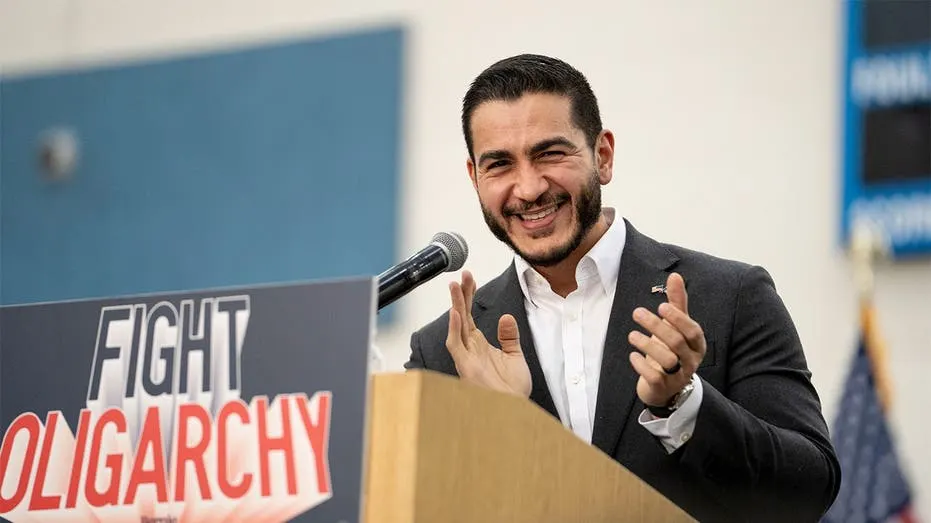
Michigan Democratic Senate candidate Abdul El-Sayed refused to apologise during a primary debate for his controversial "ogre on a pike" remark, after the comment drew criticism from figures on both sides of the political aisle who called it violent and, in some instances, sexist. When pressed on whether he regretted the rhetoric, El-Sayed instead clarified that the target of the remark was Senator John Fetterman, D-Penn., rather than his primary rival Haley Stevens, as some had assumed, and stood firmly by his comments.
The exchange came during the final debate before Michigan's Democratic Senate primary, with El-Sayed and Stevens also clashing over other issues, including his claim that $46 million in AIPAC-linked spending had influenced her position on Israel, and her counter-questioning of him over his tax returns and outside income. The "ogre on a pike" remark had previously leaked and prompted backlash from within his own party, adding to tensions in an already heated primary contest.
In short
- El-Sayed declined to apologise for "ogre on a pike" remark.
- He clarified the comment targeted Sen. John Fetterman, not Haley Stevens.
- The exchange occurred during Michigan's final Democratic Senate primary debate.
Steelman: both sides, in good faith
The strongest fair case each way — we don't pick a winner.
The case for
Political rhetoric has historically employed colourful and dramatic language to critique opponents, and this remark appears to be metaphorical commentary rather than a literal call for violence. Forcing politicians to apologise under pressure for figurative speech sets a troubling precedent for policing political expression and undermines the vigorous debate essential to democratic discourse. The focus should remain on substantive policy disagreements rather than amplifying rhetorical flourishes that reasonable audiences understand as metaphor.
The case against
Even if metaphorical, rhetoric invoking violence and weapons normalises harmful political discourse at a moment when actual violence remains a genuine threat. A responsible political candidate should understand that language matters and carries consequences, and should demonstrate accountability by recognising when their words cross a line rather than doubling down defensively. There is a meaningful distinction between vigorous debate and imagery that, however unintentionally, fans the flames of political extremism.
Explained simply
Abdul El-Sayed is a Democratic candidate competing in Michigan's 2026 Senate primary election. He came to attention after making a controversial remark using the phrase "ogre on a pike," which sparked criticism from figures across the political spectrum.
Critics said the language was inappropriately violent for a Senate candidate and raised questions about campaign tone. The remark drew particular scrutiny from some within his own Democratic party, adding tension to an already competitive race.
El-Sayed faces Haley Stevens as his main rival for the Democratic nomination, with the two disagreeing on issues such as campaign finance and foreign policy. The controversy has become a focal point in what observers describe as a heated primary contest.
Art Culture Government Politics World