World news and discussion on TalkFuse.
Far-left US groups battle Trump plan to rival China’s tech dominance
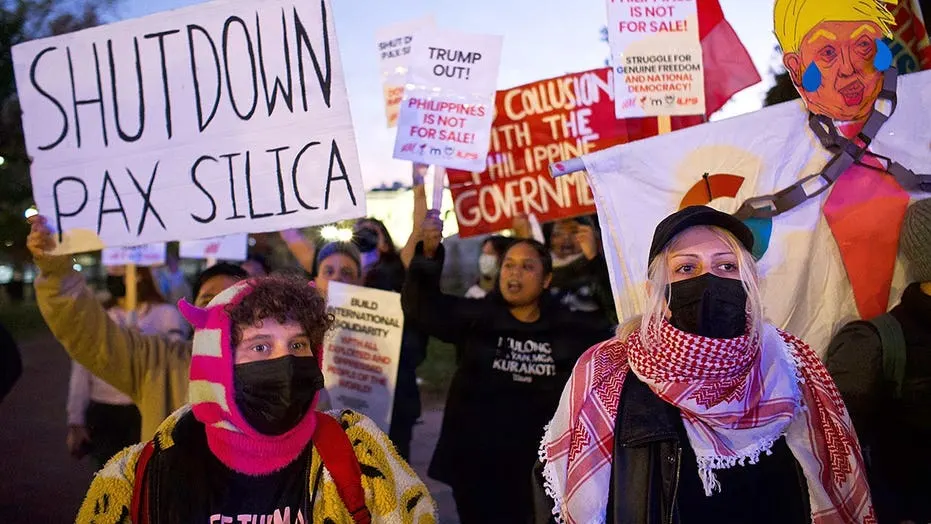
A network of about 120 mostly communist, socialist and far-left US groups is mobilising against the Trump administration’s plan for a technology hub in the Philippines, intended to reduce US reliance on China. The protests have drawn attention to how opposition to Washington’s China strategy is organised across activist networks in the United States and Asia, as well as to local concerns about the proposed development.
The project, known as Pax Silica, includes a proposed 4,000-acre manufacturing park in New Clark City for AI, semiconductors and critical minerals. The article says roughly eight in ten groups in the network identify as communist, socialist or anti-imperialist, and describes links to activist Neville Roy Singham and organisations including BAYAN USA and CodePink. Philippine indigenous groups have raised concerns about ancestral land, while campaigners are urging US lawmakers to review environmental protections, labour rights and community impacts.
In short
- Around 120 US groups oppose the proposed Pax Silica hub.
- The project aims to strengthen US technology supply chains.
- Protesters cite land, labour and environmental concerns.
Steelman: both sides, in good faith
The strongest fair case each way — we don't pick a winner.
The case for
Supporters of Pax Silica could argue that building technology supply chains with an ally would reduce dependence on China for semiconductors and critical minerals, strengthen economic security and create manufacturing opportunities in the Philippines. They may see the protests as politically organised opposition that should not obscure the project’s potential benefits or substitute for assessing its details.
The case against
Opponents could argue that strategic and commercial aims do not justify moving ahead without strong safeguards for indigenous land rights, the environment, workers and affected communities. They may contend that the project’s scale and US security goals warrant scrutiny, and that organised campaigning is a legitimate way to press lawmakers to examine its impacts before it proceeds.
Explained simply
The US is seeking to reduce its dependence on China for technologies such as semiconductors, which are used in computers and other electronic devices. One proposed part of that effort is Pax Silica, a technology and manufacturing hub planned for New Clark City in the Philippines.
The proposal has drawn interest from US activist groups, including organisations that describe themselves as socialist, communist or anti-imperialist. In the Philippines, Indigenous communities have raised concerns about the effects of development on ancestral land, while campaigners have called attention to possible environmental and labour impacts.
The issue brings together US competition with China and questions about how overseas industrial projects affect local communities. It also highlights how activist networks in the United States and Asia organise around US foreign policy.
Americas Asia Elections Government Politics World