Farm where Tony Martin shot and killed teenage burglar given green light to develop four new homes
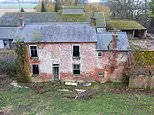
Planning permission has reportedly been granted to build four new homes on the site of the Norfolk farm where Tony Martin shot dead a teenage burglar in 1999, a case that became a landmark in the British debate over homeowners' rights to defend their property. The development marks a significant change of use for a property that became notorious after Martin, then in his fifties, shot two intruders at his isolated farmhouse, killing 16-year-old Fred Barras and wounding his accomplice, Brendon Fearon.
Martin was initially convicted of murder for the shooting but had this reduced to manslaughter on appeal on grounds of diminished responsibility, serving three years in prison before his release in 2003. The case sparked widespread public debate about self-defence law and rural crime, with Martin becoming a controversial figure championed by some as a victim of an unfair justice system and criticised by others for using excessive force. The provided article text does not include further detail on the developer, timeline or specific plans for the four properties.
- Farm where Tony Martin killed a burglar in 1999 approved for four homes
- Case became a flashpoint in UK debate over homeowner self-defence rights
- Martin's murder conviction was later reduced to manslaughter on appeal
New here? Start with this
Norfolk farmer Tony Martin became a household name after he shot two burglars who broke into his isolated farmhouse, Bleak House, near Emneth, in August 1999, killing 16 year old Fred Barras and wounding his accomplice Brendon Fearon. Martin was convicted of murder, later reduced to manslaughter on appeal, and served three years in prison before his release in 2003.
The case became a touchstone in Britain's long-running argument over how far homeowners can go to defend their property against intruders, dividing opinion between those who saw Martin as a wronged victim and those who felt he had used excessive force. It remains one of the most cited examples in debates about self-defence law and rural crime.
The farm itself has stayed linked to that history ever since, its notoriety outlasting the legal case. Any change to how the site is used, such as new housing being built there, is therefore likely to draw attention well beyond the usual interest in a local planning decision.
Both sides, in good faith
The strongest fair case each way — we don't pick a winner.
The case for
Advocates for the development would argue that land use should not be frozen indefinitely by a single tragic historical event; the farm is a private asset, planning consent has reportedly been granted through the normal statutory process, and new homes could ease local housing shortages while allowing the site to move on from a painful chapter rather than standing as a permanent, macabre landmark. They would emphasise that neither Fred Barras's family nor the wider community benefits from the property remaining frozen in time, and that responsible redevelopment, subject to proper planning scrutiny, is a legitimate and even constructive use of the land.
The case against
Those uneasy about the development would argue that the site's association with a fatal shooting and a fraught national debate over self-defence and rural crime warrants particular sensitivity, and that building homes there risks appearing to commercialise or sanitise a place where a teenager died, potentially causing distress to Fred Barras's family and to Brendon Fearon. They would contend that planning authorities and developers ought to weigh the symbolic and emotional weight of a notorious site, not merely its technical suitability for housing, and that some proceeding without acknowledging that history reflects a troubling indifference to the human cost behind the case.